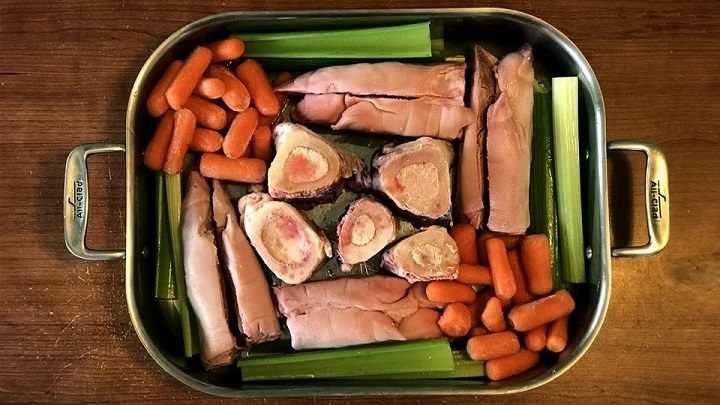

Bone broth isn’t just a health trend for humans, it’s also one of the most nourishing add-ons you can give your dog. Easy, delicate and brimming with organic benefits, Dog Bone Broth is made from amino acids and proteins derived from bone marrow function as building blocks for the digestive system to prevent Leaky Gut and relieve fatigue. Bone broth can be a source of comfort and nourishment in an easy-to-digest form, whether your dog’s a picky eater, is recovering from illness or just getting older.
One of the reasons why bone broth is such a hit with dogs is that it is so straightforward. No spices to add or fancy steps to follow—just bones, water, and time. When done right, bone broth is a rich tasting liquid packed with collagen, minerals and amino acids-and free from any additives or preservatives. This recipe is all about safety, balance and preparing well so that your dog can get all the benefits without any of the unnecessary risk.
Table of Contents
Key Ingredients You’ll Need
A dog-friendly bone broth is made with a few simple, natural ingredients:
- Chicken, beef, or turkey bones—cooked or raw
- Water
- Apple cider vinegar (small amount)
Optional dog-safe additions: carrots, celery
Typical harmful seasonings, salt, onions, garlic and certain herbs to dogs should also be avoided.
Essential Tools for Preparation
You don’t need special equipment to make bone broth:
- Large stockpot or slow cooker
- Strainer
- Spoon or ladle
- Storage containers
These basics are everything you need for a good, safe broth.
Understanding Bone Broth for Dogs

The bone broth for dogs is not like the human versions. Where humans may prefer a heavily seasoned broth, dogs get the most out of that plain liquid simmered gently to extract nutrients from its bones without encouragement from added flavorings.
The extended simmer dissolves connective tissue, adding collagen and gelatin to the broth. These nutrients also support joints, skin, digestion and immune health. The result is nutrient-dense liquid that isn’t hard on the stomach and is easy for dogs to absorb.
Choosing the Right Bones
Your bones matter You do want to mind your bones, though! Poultry bones, such as chicken or turkey, are popular because they give up collagen quickly and result in a lighter broth. Beef bones are a superior option as they provide more flavor and more minerals.
Always use raw or fully cooked bones for making broth — not smoked or seasoned ones. You should never feed a dog cooked bones — they can splinter, not to mention the serving would be over- and overcooked — but simmering them into broth is safe once properly strained.
The Knowledge on Apple Cider Vinegar
It may seem like a small thing, but it’s important to use apple cider vinegar. A little bit added to the water helps leach minerals like calcium and magnesium from the bones.
This does not render the broth acidic or harsh. Instead, it seeps nutrient extraction at a slow pace, which makes the broth more advantageous for your dog.
Preparing the Broth
Put the bones in a big pot, and add enough water to them to cover. Add a small splash of apple cider vinegar and let the mixture stand for 20 minutes before heating. This period of rest starts the mineral-extracting process.
Turn the pot up until it reaches a lazy boil, then turn down to low and let it simmer. The reason Note that we’re not bringing the bones to a full, rolling boil. A slow, gentle simmer is key to a clean and nourishing broth.
Simmering for Maximum Nutrition
Simmer broth for several hours. Chicken bones only need 12–24 hours, but beef and other larger bones can go for up to 48 hours.
While the broth cooks, scoop away any foam that rises to the surface. This same process also keeps the broth clean and clear while enhancing the flavor, as well as making it easier to digest.
Cooling and Straining
When simmering is done, let the broth cool down a bit. Ladle out carefully to strain off all the bones and solid meat. This is important (1) to be sure that there is no fragment of bone left.
After straining, refrigerate the broth. “Don’t strain, and if you see any connective tissue it means good collagen.” It’s also a bit of an egg drop soup consistency as it cools down member: don’t strain!) — that spells Good Collagen. If you so desire, any fat that floats on top can be removed.
Serving Bone Broth to Dogs
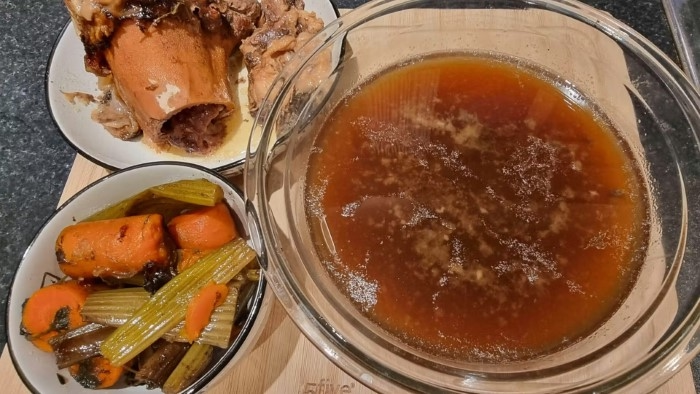
Bone broth can be offered warm or room temperature. It can be poured over the top of dry kibble, mixed in with wet food or offered alone as a hydrating snack.
Begin with small amounts, particularly if your dog isn’t already accustomed to bone broth. Just a couple tablespoons for small dogs, and more so for larger dogs should do the trick.
Health Benefits for Dogs
Natural Collagen, and Glucosamine found in bone broth are beneficial to joint health. This is particularly helpful for old dogs or breeds which are predisposed to having joint problems.
It helps with digestion, it soothes the lining of the gut and is supportive to healthy bacteria. Most dogs with sensitive stomachs do very well with bone broth, especially when recuperating from an illness.
When Bone Broth Can Be Particularly Useful
Bone broth is sometimes recommended for feeding dogs who are recovering from surgery, dehydrated or won’t eat. Its scent and taste may stimulate appetite along with providing mild nourishment. In older ageing dogs, regular small meals may help maintain mobility and comfort over time.
Storage and Shelf Life
Bone broth made at home can be refrigerated for up to 5 days. If storing it for a bit longer, divvy it up into smaller portions and freeze some of that using an ice cube tray or silicone mold.
This makes it very convenient to thaw as much or as little, cut and toss in the freezer bag without worrying about waste.
Common Mistakes to Avoid
One of the largest mistakes when making bone broth for dogs it adding salt, garlic, onions or spices. For humans, these ingredients might be fine, but they can pose health risks to pets.
Another error involves failing to simmer properly. You can’t rush the nutrients out of bone broth.
Frequently Asked Questions
Can all dogs have bone broth?
Yes, if it is made with dog safe ingredients – which Puppy Cake is.
Can puppies have bone broth?
Yes, in small amounts.
How much bone broth should I give to dogs?
A few times a week or once per day in moderation.
Can I use store-bought broth?
If it’s unsalted and pet-safe, yes.
Does bone broth replace meals?
No, it’s an adjunct to a full meal.
You don’t have to spend a lot of time or money making bone broth at home for dogs, and it is one of the easiest natural health aids you can provide your pet. It’s gentle, nourishing and full of intention — all attributes of the care we want to provide our dogs on a daily basis.
And by keeping the recipe dog-friendly and simple, you end up with something that can comfort your dog, keep her hydrated and provide nutrition all at once. Here’s a cocktail-like brew you might consider serving. A topping, a treat or to help your dog recover; whenever bone broth is the right addition for every dogs diet and it’s made with patients care like everything we make at Dog Rocks.