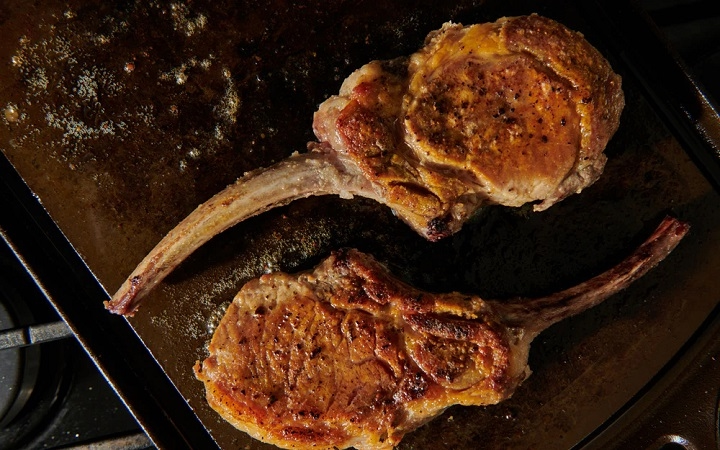

A tomahawk pork chop is more than dinner — it’s a message. Frenched: because appearance is important With the long bones, thick cut and stunning presentation of this chap, you will elevate any meal to a memorable one. Though it may resemble something you’d order at a fancy steakhouse, with the right technique — and some patience — it’s surprisingly accessible to cook in your home kitchen.
What makes the tomahawk pork chop great isn’t just its dramatic look. The bone acts as an insulator protecting the meat and keeping it juicy, and while providing enough thickness for a beautiful caramelized crust (minus overcooking the inside). Perfectly cooked, it has great pork flavor, a tender chew and the ideal layering of crisp and succulent.
Table of Contents
What Is a Tomahawk Pork Chop
A tomahawk pork chop is a bone-in rib chop, but the bone is left long and clean, like a handle on a tomahawk axe. This cut is thick — sometimes two inches or more — and prized for its tenderness and flavor.
Due to its size, the tomahawk chop demands a slightly different treatment than thinly sliced pork. You also want to cook it through without drying it out, which means that technique is more important than any fancy seasoning.
Why This Cut Stands Out
The thickness of a tomahawk pork chop allows it to build deep flavor without getting dry. Unlike its skinnier chops, which can turn from moist to dry in seconds, this cut provides a gracious cooking window.
The bone also offers visual drama and subtle flavor, which is why I like to use it when I want a slightly more special weekend dinner, or any time that demands a meal that feels indulgent without being impossible.
How to Pick the Perfect Tomahawk Pork Chop
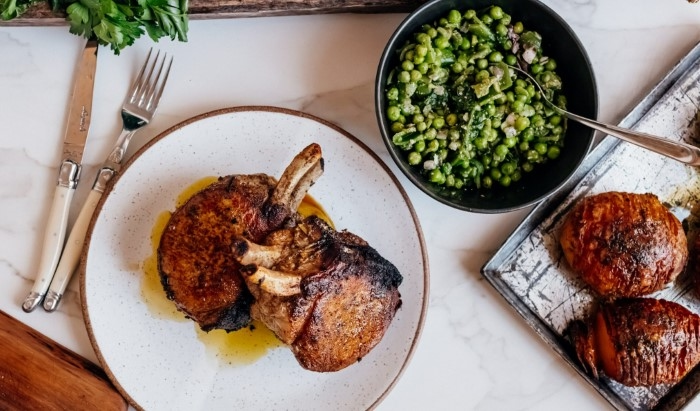
You’re looking for a chop that’s well-marbled with light pink color. If you can find heritage-breed pork, it has excellent flavor and tenderness.
Thickness matters. At two inches, a chop is thick enough to have juicy interior and an actual sear. If it’s not already done, ask your butcher to French the bone for a cleaner presentation.
Essential Ingredients
This recipe is all about unadorned ingredients that showcase the pork. High-quality pork needs minimal embellishment.
You will need a tomahawk pork chop, salt, freshly cracked black pepper, neutral oil with a high smoke point, butter, garlic and fresh herbs such as thyme or rosemary. These fundamentals make for a rich, deeply satisfying flavor profile that doesn’t overshadow the meat.
Preparing the Pork Chop
Pull pork chop out of the fridge before you start cooking and let it come to room temperature. That way, your food will cook more evenly and you’ll get a better sear.
Pat the chop dry with paper towels, then season well with salt and pepper on all sides. And the edges — seasoned to the nth degree is crucial for maximal flavor development.
Understanding the Cooking Method
Due to its thickness, cooking a tomahawk pork chop is best done in two stages. Searing gives a tasty crust, while gentle heat finishes the inside without turning it dry.
It is a controlled and consistent method, esp as you are cooking such a large portion.
Searing for Flavor
Heat a heavy skillet (cast iron is best) until it is very hot. Add the oil and gently set the pork chop in the pan.
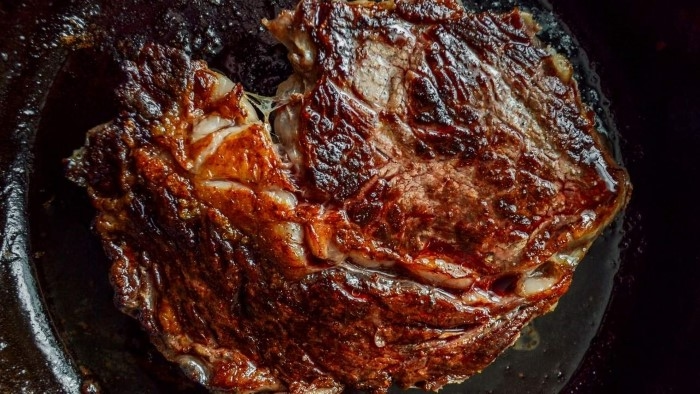
Sear 2 minutes per side until it’s deep golden, but don’t feel the need to move it around. That crust holds in juices and provides its flavor foundation.
Basting with Butter and Aromatics
When your seared, turn the heat down and toss in butter, smashed garlic and herbs. Tip the pan, then baste the chop with the melting butter.
This basting lends richness and flavor to your pork since the rich motor oil bolsters tenderness while meat cooks evenly.
Finishing the Cook
Depending on how thick or thin the chop is, you can either finish it in the oven or stay on the stove over a low flame. Use a thermometer for accuracy.
The perfect internal temperature is just under 145°F, at which point carryover cooking takes over. This is important to keep the pork juicy and tender.
Resting the Meat
Resting is essential. When cooked through, transfer pork chop to a cutting board and let sit at least 10 minutes.
This allows juices to redistribute throughout slices, so when they’re sliced into, the juice doesn’t all run out and each bite stays moist.
Slicing and Serving
Cut against the grain for pieces as tender as possible. Serve it with the bone still in for a grand presentation (you can remove it easily — see below), or take out the bone for easy serving.
It goes well with roasted vegetables, mashed potatoes or a sharp salad to cut its richness.
Flavor and Texture Experience
A good tomahawk pork chop provides a combination of textures: crusty exterior, juicy marbled interior and slight pull near the bone.
The flavor is rich, slightly sweet and super satisfying — evidence that pork can be every bit as luxurious as beef when treated properly.
Common Mistakes to Avoid
Shawn Dovey Overcooking is the most frequent error. Pork is now best when a little pink and juicy, not dry and gray.
Also, not resting the seasoning or under-seasoning can take away from your end result.
Storage and Reheating
Leftovers can be kept covered in the refrigerator for up to 3 days. Gently reheat to prevent from drying out.
Low heat in a covered skillet is best; add a splash of broth or butter to bring back some moisture.
Frequently Asked Questions
Is a tomahawk pork chop the same as a regular pork chop?
It’s similar to but thicker, bone-in and more visually dramatic.
Can I grill a tomahawk pork chop?
Yes, indirect heat is a good setup after an initial kiss of the sear.
Do I need to brine it?
You can brine (which helps those breasts stay juicy) or not.
What internal temperature is best?
Aim for 140–145°F after resting.
Is this cut expensive?
It is more expensive than standard chops, but it is an excellent value for the size and flavor.
The tomahawk pork chop is testament to the fact that it does not require fancy ingredients and a convoluted technique in order to yield an amazing plate of food. With its striking looks, buttery taste and tender texture, it turns a commonplace dinner into something extraordinary.
Once you get the hang of this recipe, it becomes a good one to use when you’re cooking for a party or even just want something to make with authority. Respect the meat, cook it thoughtfully and what you have is a pork dish as sultry as any steakhouse offering — right in your own kitchen.