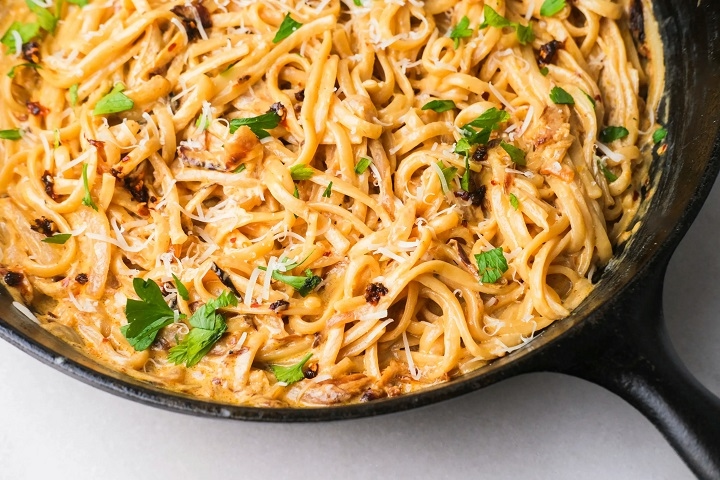

Caramelized onion pasta is one of those dishes that shows just how high and mighty the simple noodle can be, going from a dry straw or dull, sugar-starch glide to something deeply alluring with time, attention and virtually nothing else. With a few humble ingredients, it becomes something deep and flavorful and comforting, yet somehow incredibly elegant. The magic exists in the onions — which you cook slowly until they turn nearly meltingly soft, golden and sweet, and give you a sauce that tastes luxurious without weighing you down.
This is the sort of pasta you cook when you crave comfort, but also desire dimension. It’s a dish that depends neither on cream nor fancy technique. Rather, it relies on time, attention and respect for humble ingredients. Whipped up as a silent weeknight dinner or for company, caramelized onion pasta feels intentional and fulfilling every time.
Table of Contents
Why Caramelized Onion Pasta Works
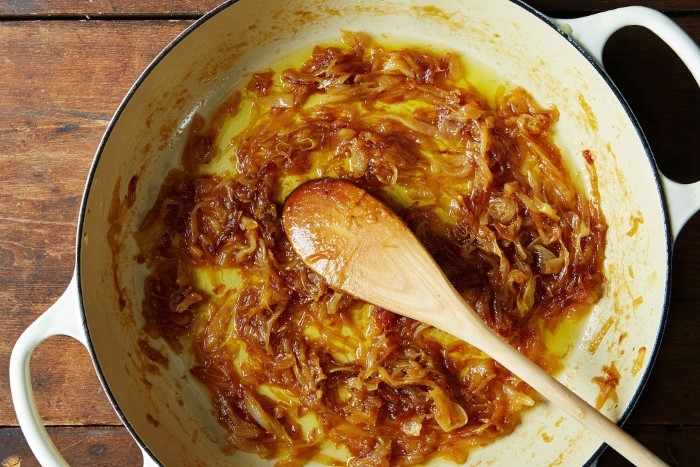
This dish is, at its essence, about balance. When cooked low and slow, onions caramelize, their natural sugars slowly emerging until they transform into a jammy sweetness. That sweetness is gorgeous against the savory airstream of a pasta, salt and fat, making a sauce that adorns but doesn’t swamp or coat every strand or shape.
Light yet luxurious, unlike heavy cream sauces, caramelized onion pasta. The flavors are nuanced and homey, the dish an excellent demonstration of how less really can be more in cooking.
The Power of Slow-Caramelized Onions
Caramelized onions are not the fruit of impatience. It needs time, low heat and lots of stirring. As the onions cook, their bite mellows into a rich mellowness and complexity of aroma.
It is this slow transition that’s the soul of the dish. Rushing the onions results in bitterness or uneven browning, while patience yields deeply flavorful alliums that taste far more complex than the sum of their simple ingredient parts.
Choosing the Right Onions
Yellow onions are the traditional choice for caramelization. Once cooked down, they provide the optimal mix of sweet and savory. You can use red onions for a bit more of a bite, and sweet ones for an even further mellowing. Any of these are fine, according to your personal taste, but uniform slicing promotes even cooking.
Essential Ingredients
Here’s what you’ll need to make caramelized onion pasta:
- Pasta of your choice – Spaghetti, fettuccine, penne or rigatoni
- Onions – Julienne cut, type would be yellow onions if available.
- Olive oil – Used for both cooking and richness
- Butter – Provides richness and a silky texture
- Garlic – Enhances savory notes
- Salt – To help the onions release their moisture
- Black pepper – for a little bit of heat
- How to use pasta cooking water – To make a sauce
- Optional cheese – parmesan or pecorino for finishingInstructions
Optional herbs: Thyme, parsley or basil HOW TO STORE AND REHEAT For best taste and texture, eat the soup right away.Serve with a toasted piece of bread to soak up the broth.Store any leftovers in an airtight container in your refrigerator for 3-4 days.
All of these combine to make a dish that’s rustic and elegant at once.
Essential Tools
Pretty soon you’ll be eating pasta so delicious, it will probably permanently change the way you think about your pantry and dinner.
- Large skillet or sauté pan – Used to caramelize onions
- Large pot – For cooking pasta
- A sharp knife – To cut the onions evenly
- Wooden spoon or spatula – To stir
- Colander – For draining pasta
- Spoons for measuring – so you can balance the seasoning.
With these tools, the process remains easy and stress-free.
Preparing the Onions
Start by cutting the onions thinly and uniformly. Uniform slices are crucial so the onions cook evenly and all caramelize at the same time.
Heat a wide skillet over low-medium heat and add olive oil and butter. Add the onions when melted, with a pinch of salt. The salt draws out liquid, so the onions can soften before curling up and browning.
The Caramelization Process
The onions will start off by softening and then gradually turn golden. Stir often so the mixture doesn’t stick or burn, lowering or raising the heat as necessary.
It could be 30-45 minutes before all this is done. It does take attention, but it’s not hard — just steady and patient. As the onions color, their smell becomes sweet and rich — a sign that the base of your sauce is almost ready.
Building the Sauce
When the onions are highly caramelized (I like them almost burnt), add minced garlic and sauté briefly until fragrant. Add garlic at the end to avoid bitterness. The onions are now soft, glossy, and full of rich flavor. This combination is the foundation of the pasta sauce and it’s going to take us home with that sweetness.
Cooking the Pasta
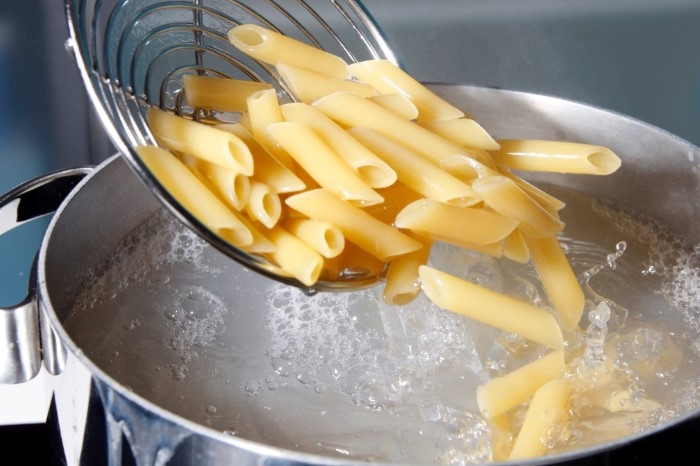
Boil the pasta in salted water until it’s just al dente. Reserve some of the pasta water before draining. The starchy pasta water is crucial — it helps diffuse the onions and binds them to the pasta, whatever its shape, to form a creamy sauce without cream.
Bringing Everything Together
Add the cooked pasta to the skillet with the onions. Toss gently, adding as much pasta water as needed to make a silky sauce. The idea is not to make a heavy sauce, but rather a shiny, clingy lacquer that carries the onion flavor throughout the dish.
Achieving the Perfect Texture
When it’s ideally prepared, caramelized onion pasta should be rich but not greasy, smooth but not soupy. Season to taste with salt and pepper, tasting as you season. If the pasta is dry, a splash of pasta water brings it back to life. If it seems too loose, return it to a simmer briefly.)
Flavor Profile and Aroma
The dish ends up savory with a little sweetness, and it’s all kinds of comforting. The onions lend complexity, the pasta body and warmth. Butter adds roundness, olive oil offers fruitiness and optional cheese brings a hit of umami. Each is paced with care and precision.
Serving Suggestions
4.Caramelized onion pasta should be served immediately when warm. Top with some fresh grated cheese, some cracked black pepper, or drizzle with olive oil as desired.
It’s lovely around a simple green salad or slabs of crusty bread, and can be served as a main course or tin side dish.
Customization Ideas
This pasta is endlessly adaptable. Toss in mushrooms for earthen notes, spinach for freshness or chili flakes to amp up the heat. You can add things like grilled chicken or crispy pancetta to the protein mix, but the dish stands alone nicely for vegetarians.
Storage and Reheating
Leftovers can be kept in the refrigerator for up to three days in an airtight container. Warm gently on the stovetop with a splash of water or broth. Watch out for microwaving too long and drying the pasta.
Common Mistakes to Avoid
Onions cook so fast over high heat that they burn rather than caramelize. Slow, slow heat is the key. Forgoing pasta water is another frequent stumbling block — crucial to a sauce that sticks together, without getting cream involved.
Frequently Asked Questions
How long does it take to caramelize onions right?
It is slowly cooked for 30-45 or more minutes, over low simmering heat.
Can this be made vegan?
Yes, just leave off the butter and cheese or sub for other options.
Does this dish reheat well?
Yes, with some of that needed extra moisture.
Caramelized onion pasta is a paean to patience and simplicity. All you need is a few ingredients, and the patience to let onions slowly cook down and turn a dish that feels rich, comforting and deeply satisfying into something special.
This recipe is a reminder that good food doesn’t have to be fancy. By handling them respectfully, even the humblest ingredients can yield something indelible. Caramelized onion pasta is the kind of comfort food that warms you up, fills you with flavor and just makes everyone happy, whether you make it for yourself or share it with others.