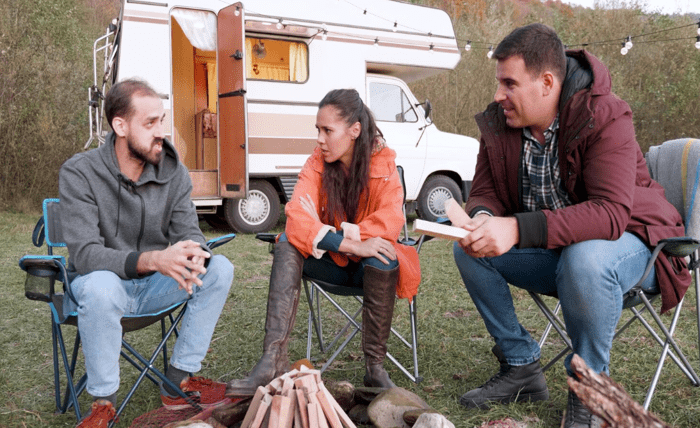

Planning a road trip through the Utah wilderness is often a bucket-list experience. From the red rocks of Moab to the towering peaks of the Wasatch Range, the scenery is unmatched. However, for those traveling in motorhomes or towables, the rugged terrain and extreme temperature fluctuations can turn a dream vacation into a logistical nightmare.
A breakdown in a remote area doesn’t just cost money in repairs; it costs precious vacation days and disrupts carefully planned itineraries. For the modern traveler, the goal is to minimize downtime and ensure that mechanical failures don’t result in days spent waiting for a tow truck.
Table of Contents
Prioritizing High-Failure Systems Before Departure
Most RV breakdowns are predictable. They stem from components that are under constant stress during long hauls. To avoid mid-trip crises, owners should focus on three specific systems.
The Cooling and Electrical System
Utah’s summer heat is brutal on engines and batteries. An overheating engine in the middle of a desert stretch can lead to permanent damage. Checking coolant levels, inspecting belts for cracks, and ensuring the alternator is charging the house batteries efficiently is non-negotiable.
Tire Integrity and Pressure
The heat of the pavement combined with the weight of a fully loaded RV increases the risk of blowouts. Beyond checking the tread, owners should utilize Tire Pressure Monitoring Systems (TPMS) to track real-time heat and pressure spikes. For most load-bearing RV tires, maintaining the specific PSI recommended by the manufacturer—often significantly higher than passenger cars—is critical to prevent sidewall overheating and structural failure.
Plumbing and Seal Integrity
Water leaks are the silent killers of RVs. A small breach in the roof’s Lap sealant can allow rainwater to penetrate the ceiling, leading to mold or structural rot within days. Before departure, owners should inspect the roof seams for cracking and verify the water pump priming process to ensure the system doesn’t run dry and burn out the motor during the first fill-up at a campsite.
Managing Mid-Trip Failures Without Losing Your Itinerary
Even with the most rigorous pre-trip inspection, things can go wrong. The difference between a ruined trip and a minor inconvenience is how you handle the repair process. Traditionally, this meant towing a massive vehicle to a fixed repair shop, which often involves long wait times and expensive towing fees.
The more efficient approach is seeking on-site assistance. By utilizing Mobile Rv Repair Utah, travelers can have certified technicians come directly to their campsite or roadside location. This eliminates the need for towing and allows the owner to stay in their vehicle while the work is performed, effectively saving 24 to 48 hours of downtime that would otherwise be spent in a waiting room.
Creating a Maintenance Schedule for Long-Term Reliability
For those who use their RV frequently, a “fix it when it breaks” mentality is the most expensive way to operate. Transitioning to a preventative maintenance schedule reduces the likelihood of catastrophic failure.
The Quarterly Checklist
Every three months, owners should perform a deep-dive inspection of the chassis and the living quarters. This includes lubricating slide-outs and conducting a rigorous LP gas system check. Rather than relying on smell alone, technicians use a manometer to measure pressure drops or a soapy water solution on hose connections and the regulator to identify pinpoint leaks that could lead to dangerous gas buildup.
The Post-Trip Audit
After every major excursion, it is vital to document what performed well and what struggled. Did the AC struggle to keep up with the heat? Did a specific appliance flicker? Addressing these small “nuisance” issues immediately prevents them from becoming full-scale failures during the next trip.
The Financial Impact of Preventative Care
When calculating the cost of RV ownership, many focus on fuel and campsite fees. However, the real variance in budget comes from emergency repairs. Emergency roadside assistance and expedited shipping for parts can double the cost of a standard repair.
Consider the financial contrast of a mid-trip failure in a remote area like Moab. A mobile technician’s service call fee and hourly labor rate are generally manageable, often costing a few hundred dollars to resolve a component failure on-site. Conversely, if the vehicle is immobile and requires a heavy-duty tow from a remote canyon to a fixed shop in a major city, the towing fee alone can easily exceed a thousand dollars, not including the cost of transporting the vehicle back to the campsite once repaired.
Investing in professional inspections and choosing mobile repair options over traditional towing saves money in three distinct areas:
- Towing Fees: Heavy-duty towing for RVs is significantly more expensive than standard vehicle towing.
- Lost Time: For those on a strict time limit, the cost of a missed national park entry or a lost hotel reservation is a tangible loss.
- Secondary Damage: A small leak or a worn belt that is caught early costs a fraction of what it costs to replace an entire engine or a ruined subfloor.
By shifting the focus from reactive repairs to proactive maintenance and leveraging mobile service providers, RV owners can ensure their Utah adventures remain focused on the scenery rather than the mechanics.