
A great barbecue feels casual, but the easiest ones are usually planned carefully. The host who appears relaxed has normally made a few decisions early: how much food to buy, what can be prepared in advance, which dishes actually need the grill and what will happen if the weather changes. With a simple plan, a garden barbecue can feel generous without turning one person into a full-time cook.
Table of Contents
It is tempting to choose six meats, four sides and three desserts before you know who is coming. That usually creates unnecessary work and too much food. Start with the guest count, then think about appetite, children, dietary requirements and whether the barbecue is the main meal or part of a longer afternoon.
For most gatherings, variety matters more than sheer quantity. One or two well-cooked main options, a strong vegetarian choice, fresh sides and good sauces often feel more complete than a huge menu where nothing gets enough attention.
Barbecue food can become heavy if every plate is dominated by grilled meat and bread. Balance richer items with crisp salads, grilled vegetables, acidic dressings and something fresh such as herbs, slaw or citrus. Texture makes the table more interesting too: crunchy vegetables, soft bread, charred meat and creamy sauces all play different roles.
This balance also helps when people eat at different times. Cold sides can be ready before the first batch comes off the grill, so early guests have something to enjoy while the rest of the food is cooking.
Do as much work as possible before guests arrive
The biggest hosting mistake is choosing dishes that require constant last-minute attention. Wash and cut vegetables early, mix dressings, prepare serving platters, chill drinks and organise the cooking tools before anyone arrives. If meat needs seasoning or marinating, do that in advance and keep it chilled until needed.
Lay out a simple service area away from the grill. Plates, cutlery, napkins, sauces and cold sides should be accessible without guests walking through the cooking zone. This small detail makes the garden feel more organised and keeps the cook from answering the same questions repeatedly.
Use the grill in zones
A barbecue is easier to control when there is a hotter area for searing and a cooler area for finishing or holding food. Trying to cook everything over the strongest heat at once leads to burned exteriors and undercooked centres. Different foods need different heat levels and different amounts of time.
Keep raw and cooked utensils separate, and use clean plates for finished food. A food thermometer can be useful for larger cuts and poultry because colour alone is not always a reliable guide to doneness.
Consider a prepared BBQ format when the guest list grows
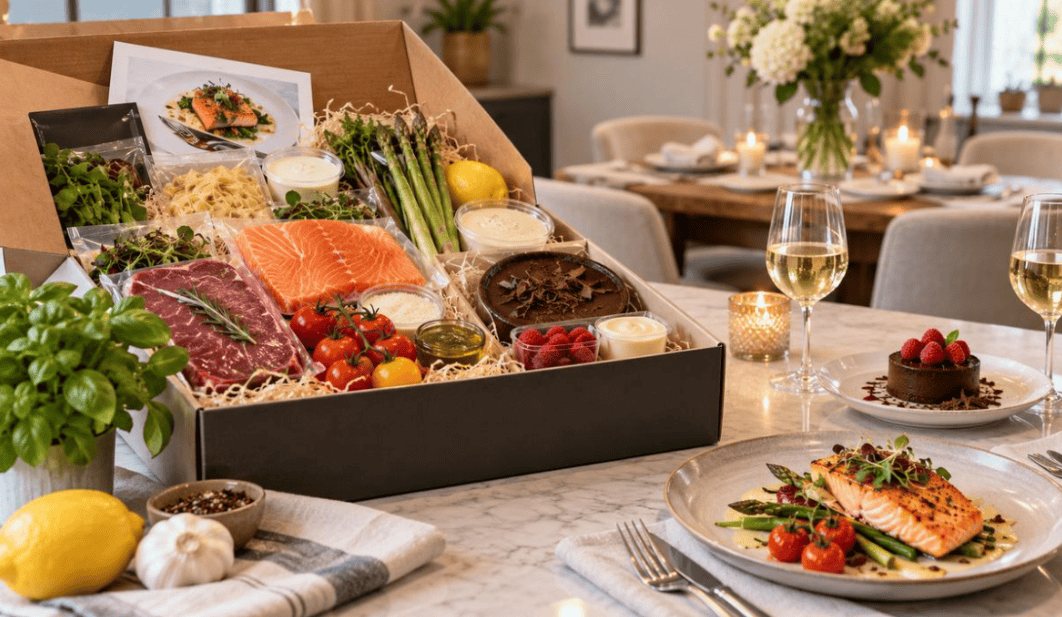
For larger gatherings, sourcing several cuts of meat, rubs, sauces and sides can take more time than the cooking itself. A well-designed BBQ in a box can simplify the shopping stage by grouping compatible ingredients and portions around a clear menu. That can be especially useful when the host wants a premium result but does not want to spend the morning visiting several shops.
The best prepared kits should still make it clear what is included, how many people they serve and what equipment the cook will need. All In A Box meal kits are one example of a format built around making a complete meal easier to organise at home.
Plan for dietary needs without creating a second kitchen
Ask about dietary requirements before shopping. Vegetarian food deserves the same attention as the meat rather than being treated as an emergency alternative. Halloumi, vegetable skewers, mushrooms, corn, grilled flatbreads and substantial salads can all work well if cross-contamination is managed properly.
For allergies, take extra care with marinades, sauces and shared utensils. If a guest has a serious allergy, clear labelling and separate preparation may be necessary. When in doubt, ask the guest what arrangement makes them comfortable rather than guessing.
Have a weather plan that does not ruin the day
In the UK, a barbecue plan should survive a change in weather. A gazebo, covered serving area or indoor backup makes the event much less stressful. Keep electrical equipment and extension leads protected, and do not move a lit charcoal barbecue into an enclosed area because of the danger from carbon monoxide.
If rain is likely, choose sides that can be served indoors and make sure the main food can be cooked in batches rather than all at once. The event can still feel like a barbecue even if some of the eating happens inside.
Set up the drinks separately
A self-service drinks station keeps traffic away from the cooking area. Provide water as prominently as other drinks, especially on hot days. Ice, glasses, bottle openers and waste bins should all be in the same place so guests can help themselves without interrupting the host.
Keep dessert simple
After a rich barbecue, dessert does not need to be complicated. Fruit, ice cream, brownies, a chilled tart or a make-ahead pudding can work better than something that requires more cooking. The goal is to finish the meal well without creating another round of kitchen work.
Make cleanup part of the setup
Put recycling and waste containers where people can see them. Keep foil, food containers and a roll of kitchen paper nearby. Once the final food is served, soak or scrape grill tools while they are still easy to clean. A little organisation before the meal can save a lot of time afterwards.
The best garden barbecues are not the ones with the longest menu. They are the ones where the food is good, the timing feels easy and the host gets to enjoy the gathering. Plan the structure, simplify the shopping where it helps and leave enough flexibility for people to relax around the table.
Use a simple hosting timeline
A relaxed barbecue can be planned backwards from serving time. Two or three days before, confirm guest numbers and dietary needs. The day before, buy drinks, prepare durable sides and organise serving equipment. On the morning of the event, chill food, prepare garnishes and set up the garden. About an hour before guests arrive, organise the grill, tools and separate raw and cooked zones. This sequence keeps the final hour focused on cooking rather than forgotten errands.
Leftovers also deserve a plan. Perishable food should not sit in warm conditions for long periods. Serve smaller batches and keep reserve food chilled until needed. When the meal finishes, cool suitable leftovers promptly, store them safely and label anything that may be eaten the next day. If food has been sitting out for an uncertain length of time, it is safer to discard it than to take a chance.
Finally, resist the urge to keep cooking simply because the grill is lit. Guests remember good food and good company, not the number of separate dishes. A smaller menu served confidently usually feels more generous than an oversized spread that leaves the host stressed and the food arriving at random intervals.