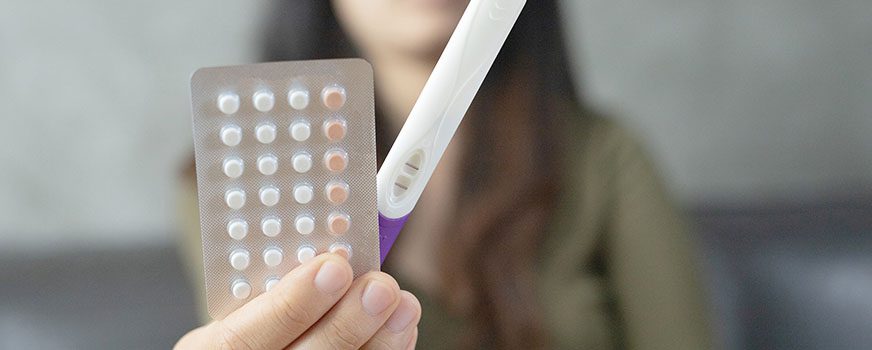

Many people worry that birth control pills can cause infertility. Some believe that taking them for years can make it harder to conceive later. But is this true, or is it just a common myth? Understanding how birth control pills work can help separate fact from fiction.
This article will explore the most common misconceptions and the scientific facts behind them. It will get into every detail, from how they work to whether an iui treatment procedure can help in this ordeal.
Table of Contents
Can These Pills Affect In Long-Term Use?
A common misconception is that long-term use of contraceptive pills can harm reproductive health. However, research confirms that these medications do not cause permanent fertility issues. Once discontinued, hormone levels typically return to their natural state, allowing ovulation to resume.
For those experiencing difficulty conceiving, underlying conditions such as hormonal imbalances or reproductive disorders are often the cause, rather than past contraceptive use. Consulting a healthcare provider can help identify any concerns and provide guidance on achieving a healthy pregnancy.
Are There Exceptions to Consider?
Pre-existing health conditions can significantly impact conception, making it more challenging for some individuals. Conditions such as polycystic ovary syndrome (PCOS), thyroid imbalances, and irregular menstrual cycles may affect ovulation and fertility. These challenges would likely exist regardless of previous contraceptive use, meaning birth control does not cause fertility issues but may temporarily mask underlying conditions.
Seeking guidance from a fertility specialist can help identify any health-related obstacles. A thorough evaluation allows for personalized treatment plans, improving the chances of successful conception and a healthy pregnancy.
Do These Medications Impact Egg Reserve?
- Misconception About Egg Supply
Many people worry that using contraceptives reduces the total number of eggs available for future conception. This belief is incorrect and based on a misunderstanding of reproductive biology. - How Ovulation Naturally Works
The body typically releases one egg per menstrual cycle. If ovulation is suppressed by contraceptives, the egg is not lost but simply not released. - No Impact on Long-Term Fertility
The overall egg reserve remains unchanged, ensuring that when contraceptive use stops, the natural cycle resumes. This allows for normal ovulation and future conception when desired.
How Soon Can Pregnancy Occur After Stopping?
Most individuals conceive within a few months after stopping the contraceptive medication. For some, ovulation resumes immediately, allowing for quick conception, while others may take longer depending on individual circumstances. Factors such as age, overall health, and lifestyle choices can influence the time it takes to become pregnant.
Maintaining a balanced diet, managing stress, and tracking ovulation can support the process. If conception takes longer than expected, consulting a healthcare provider can help explore fertility treatments, including assisted reproductive procedures, to assist in achieving pregnancy.
Can an IUI Treatment Procedure Help?
For individuals who struggle to conceive after stopping contraceptives, Intrauterine Insemination (IUI) can be a helpful fertility treatment. IUI is a minimally invasive procedure where sperm is directly inserted into the uterus during ovulation, increasing the chances of fertilization.
This procedure is particularly beneficial for individuals with ovulatory disorders, mild male infertility, or unexplained fertility issues.
The iui treatment procedure can be performed with natural ovulation or combined with fertility medications to stimulate egg production. Since birth control pills do not affect egg quality or ovarian reserve, women who have used contraceptives in the past can still be ideal candidates for IUI. Consulting a fertility expert can help determine whether this procedure is a suitable option based on medical history and reproductive health.
Concerns about these medications leading to long-term reproductive issues are largely unfounded. Most individuals regain normal fertility shortly after stopping use. If difficulties arise, it is likely due to pre-existing conditions rather than past contraceptive use. For those facing challenges, seeking medical advice and considering options like the IUI treatment procedure can provide solutions. Understanding the facts helps in making informed decisions about reproductive health.