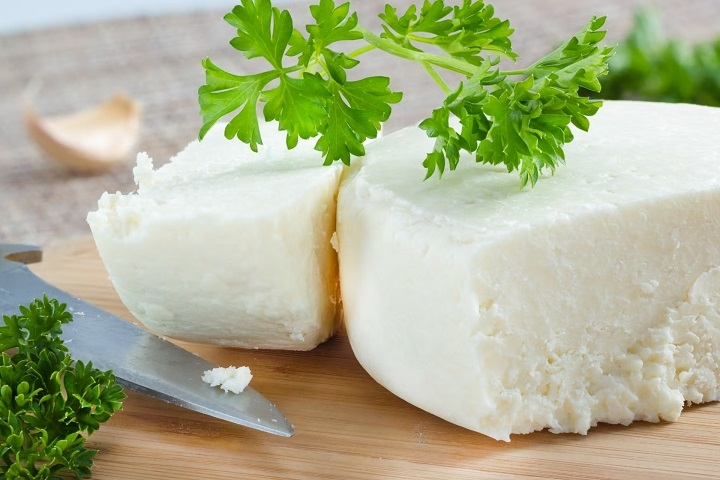

Cotija cheese is a dry and salty Mexican cheese. It’s amazing on tacos, salads, soups and street corn. It’s worlds apart with its taste and texture. So what’s nutrition for cotija cheese? Is it nutritious? Is it a good source of protein? Is it nutritious for my diet?
Here we are going to talk about cotija cheese nutrition facts. We are going to find out its calories, fat, protein, vitamins, etc. You will also learn about how it is different from all other cheeses and how you can add it to healthy food.
Table of Contents
What Is Cotija Cheese
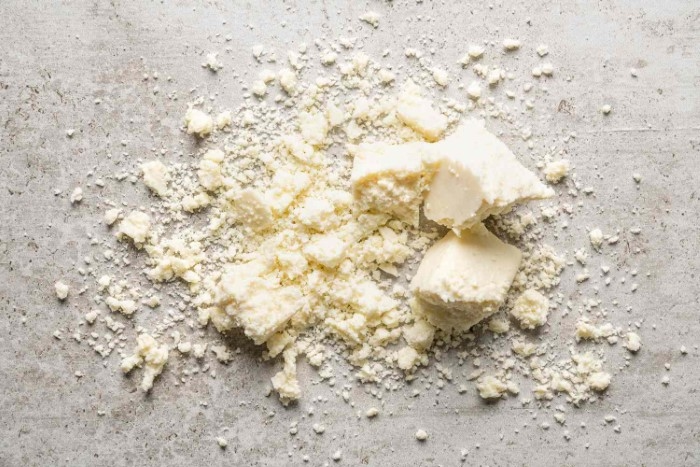
Cotija cheese is a Mexican cow milk cheese. It is named after Cotija in the state of Michoacán, Mexico. It is usually aged and thus salty and dry. It will not melt such as mozzarella or cheddar but break like feta.
There are two types of cotija cheese:
- Fresh cotija – Similar to feta and soft
- Aged cotija – Salty and hard, similar to parmesan
Both are served in Mexican dishes. You typically have it on tacos. Also lote (Mexican street corn) and enchiladas.
Cotija Cheese Nutrition Summary
Let us take a look at the plain cotija cheese nutrition facts. That is for 1 ounce (28 grams) serving size.
| Nutrient | Amount per 1 oz (28g) |
| Calories | 100–120 |
| Protein | 6–7 grams |
| Total Fat | 8–9 grams |
| Saturated Fat | 5–6 grams |
| Cholesterol | 25–30 mg |
| Sodium | 350–400 mg |
| Calcium | 150–200 mg |
| Carbohydrates | 0 grams |
| Fiber | 0 grams |
| Sugar | 0 grams |
Cotija cheese contains little sugar and carbohydrates. It is rich in fat and protein. It also contains high levels of sodium and calcium.
Calories Present in Cotija Cheese
There are approximately 100 to 120 calories present in an ounce of cotija cheese. Fat contributes to the majority of calories. Hence, cotija is a calorie-rich food in small amount.
It is safe to be conservative when serving size comes into play. Due to the richness of the cheese, you will not typically require a lot of it.
Protein in Cotija Cheese
There is approximately 6 to 7 grams of protein in an ounce of Cotija cheese. It is a good protein source. Especially for vegetarians. Protein is used for muscle building. Also used for repairing tissue and for fullness.
Adding cotija to foods gives it flavor and protein. Sprinkle it on salads, soups and roasted vegetables.
Cotija Cheese Fat Composition
There is excellent fat composition in cotija cheese that consists entirely of fat. There are 8 to 9 grams of fat per ounce. Out of the total, 5 to 6 grams is saturated fat.
Saturated fat has to be taken in moderation. It will raise cholesterol if taken excessively. Yet, as a small amount, cotija is usable in a healthy diet.
Sodium Content in Cotija Cheese
Sodium is one of the major problems with the nutritional value of cotija cheese. Cotija cheese is salty. One ounce may have 350 to 400 milligrams of sodium.
This provides about 15–17% of the daily recommended intake (2,300 mg). If you are restricted from salt, have cotija cheese in moderation.
Calcium and Vitamins
There is plenty of calcium found in cotija cheese. There are several 150–200 milligrams per ounce. That’s almost 15% that you need.
Healthy teeth and bones can be helped by calcium. It also supports heart health and muscle function.
Aside from calcium, there is cotija with:
- Vitamin A
- Vitamin B12
- Riboflavin
- Zinc
These nutrients are responsible for providing energy, skin and immunity.
Is Cotija Cheese Healthy?
It is possible to include small quantities of cotija cheese in a healthy diet. It contains high amounts of calcium and protein.
It also consists of high levels of filled fat and salt. That is the reason why a little should be consumed. Use it as a garnish rather than a course.
You can restrict your intake if you are on a reduced sodium diet or lowering your cholesterol.
Cotija Cheese and Lactose
Cotija cheese is cow milk. But as it ages, there is less lactose in it than in fresh milk. In most cases old cheeses have little or no lactose.
You can maybe consume small quantities of cotija cheese if you have lactose intolerance. Yet always, it is safe to try slowly or consult your doctor.
Is Cotija Cheese Keto-Friendly?
Cotija has been utilized by some ketogenic dieters. It is used as a salad garnish, baked vegetable topping or low carb taco topping. It provides flavor without contributing additional carbohydrates.
How Cotija Cheese Ranks Compared to Other Cheeses
| Cheese | Calories (1 oz) | Protein | Fat | Sodium |
| Cotija | 100–120 | 6–7g | 8–9g | 350–400mg |
| Feta | 75–80 | 4g | 6g | 300–350mg |
| Parmesan | 110 | 10g | 7g | 330mg |
| Cheddar | 115 | 7g | 9g | 180mg |
| Mozzarella | 85 | 6g | 6g | 175mg |
Cotija tends to be saltier than most other types of cheese. It contains less caloric content than cheddar. But it has greater levels of sodium than mozzarella.
Using Cotija Cheese in Healthy Recipes
You do not have to put in a lot of cotija cheese in order to get the flavor. Put in a little and alter the flavor of the dish.
Some of its health benefits are:
- Add to grilled vegetables
- Add to black bean tacos
- Add a salad with crumbled cotija
- Add to roasted corn or elote
- Add to cooked rice or quinoa bowls
These suggestions keep the serving small but full of flavor.
Is Cotija Cheese Good for Weight Loss?
You can consume Cotija on a weight loss diet if you use it sparingly. Since it is so high in sodium and fat, don’t use it liberally.
It does contain protein, however and protein is filling. A small amount will provide you with flavor without a lot of calories.
Don’t eat it with fatty foods. Such as fried tacos or cream sauces. Eat it instead with raw vegetables. Or you can eat it with lean proteins.
Is Cotija Cheese Safe for Children
Yes, but don’t forget the salt. Cotija cheese is rich in calcium and protein. These are two of the most critical nutrients that children need But it also has salt.
Use very sparingly in children and mix with whole grains, vegetables and fruits. Use on rice or mix with mashed beans.
Can You Eat Cotija Cheese if You Have High Blood Pressure?
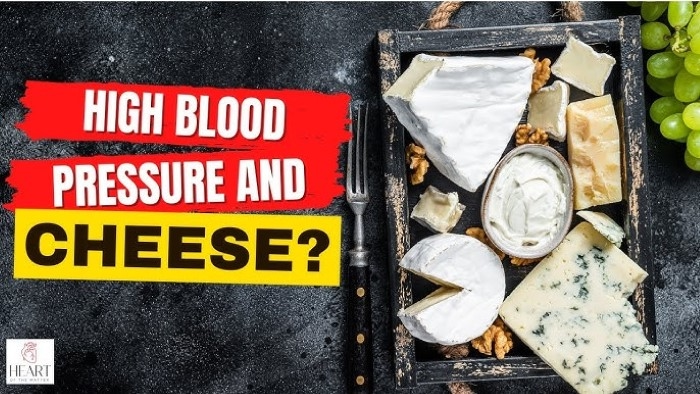
Cotija cheese is very salty. If you have high blood pressure, you can use less.
Use alone as a garnish or mix with lower-sodium cheeses. Drink water and eat potassium-containing foods like bananas to replace the salt.
How to Store Cotija Cheese
How to store cotija cheese to keep it fresh:
- Store in refrigerator
- Wrap in wax paper or covered container
- Avoid moisture
- Eat within 1 to 2 weeks of opening
Do not freeze it. It will become watery and lose flavor.
Is There Low-Sodium Cotija Cheese?
There are some low sodium brands. Read nutrition labels for sodium. Reducing the amount of cheese served decreases the total salt served.
To balance out the saltiness try mixing cotija with non salty foods. Like avocado or white rice.
Healthy Cotija Cheese How to Eat
- Use as a garnish, not the center of attention
- Serve with low fat or low sodium products
- Pair with fresh vegetables and whole grains
- Watch the serving size (1–2 tablespoons is enough)
- Combine with foods that are high in potassium and fiber
Provided you follow these guidelines it is safe to consume the taste and nutritional value of cotija cheese.
Frequent Questions About Cotija Cheese Nutrition
Is cotija cheese a great protein source?
Yes, Cotija cheese has about 6–7 grams of protein per ounce.
How much is sodium in cotija cheese?
One ounce of cotija cheese contains 350 – 400 milligrams of sodium.
Is cotija cheese keto?
Yes, It’s zero sugar or carbs. It’s extremely high in protein and fat.
Can I eat cotija cheese if I am lactose intolerant?
Yes, You might be able to. Cotija is aged low in lactose. But test in small portions first.
Is cotija cheese healthy?
Yes, in moderate amounts. It is a good source of protein and calcium. But high in salt and fat.
Cotija cheese is heavily flavored. It’s smooth and normal. It gives a good taste. It gives a rich mouthfeel. Its nutrition fact plate shows it has high fat. Also protein and calcium content. It has zero carbs therefore a keto diet.
It is extremely sodium rich as well. So much care should be taken while you are working with it and take it in small portions only. It can be blended with healthy foods so that they become tasty to eat rather than eating it alone.
If you are on a salt free or low calorie diet, have measured portions. For all purposes, Cotija cheese actually is part of a healthy diet when used sparingly.
Whether used as a sprinkle on vegetables or as a topping on a taco, cotija cheese is a healthy flavor enhancer.