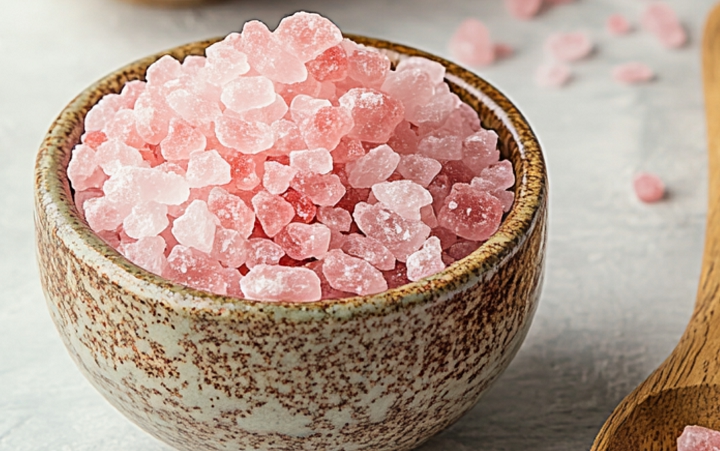

Pink crystals mixed with fluffy white powder do not perform miracles. Minerals only, one laced lightly with rust-colored specks, the other a common rising agent in baking. Still, whispers spread slowly online. People blend them anyway, cleaning surfaces or sipping watered-down portions. This habit never caught fire on mainstream feeds. Experts stay silent on its benefits. Hidden inside chat pages and casual talk about natural fixes, the practice lingers like steam after boiling.
Table of Contents
Pink Salt Looking Beyond the First Impression
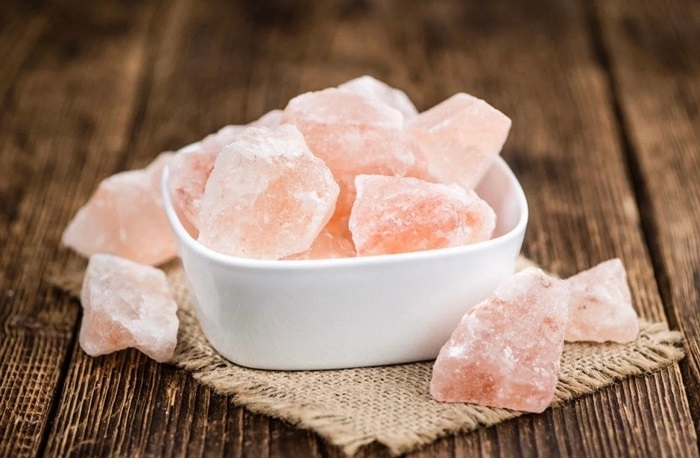
Something shifts, though, once past first impressions. The mix looks rough. It might taste slightly sharp. Look closer than usual, however, and patterns change. It shows how folks handle everyday tools in cooking, once logos fade and functions bend past their intended roles. This dish, right now, skips changing things completely. Instead, it shifts how you see them.
The Mix: Simple Steps
Ingredients
| Ingredient | Amount |
| Pink Himalayan salt | 1 part |
| Baking soda | 1 scoop |
Steps
- Measure one part pink Himalayan salt.
- Pour in a scoop of baking soda.
- Start mixing inside a clean bowl made of glass or ceramic.
- Avoid metal if possible, since metal could interact slowly.
- Use a wooden spoon to avoid scratching.
- Stir slowly until the mix looks even.
- Store in an airtight container away from moisture.
Done. Without heat. Without time under pressure. Not a trace of fermentation involved. There is no talk here about better uptake by the body, balancing pH, or clearing out toxins. Those phrases get tossed around often, yet rarely get pinned down.
Why Pink Salt and Baking Soda Are Often Mixed
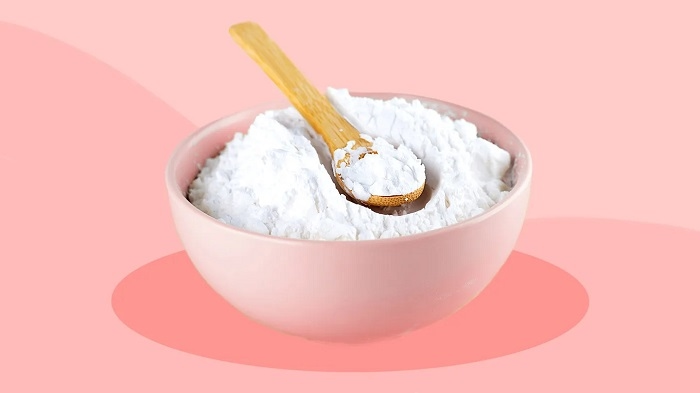
Maybe it’s just because both are usually around, plus they don’t look dangerous at all. Besides cleaning a bit, baking soda changes how acidic things are. Table salt does just what pink salt claims to do. A hint of iron gives that rosy color – no magic inside. Fancy names won’t make it healthier. Yet they continue to tie one to the other.
| Item | Common Role |
| Pink salt | Adds grainy texture and saltiness |
| Baking soda | Adds mild scrubbing and acidity-shifting action |
| Water | Turns the dry mix into a usable blend |
| Airtight jar | Keeps moisture away |
Possible Mouth Use and Caution
Surprise effect? It may be about changes in mouth bacteria. Though each part alone will not kill germs at home levels, together they might shift how acidic the mouth feels for a short while. A few people notice cleaner tongues when using watered-down mixes carefully. That result likely does not come from wiping out bugs fast. It may be more like briefly making it harder for sour-waste makers to survive. But over time, tiny scratches become more likely, especially if brushing is too harsh. Groups focused on oral health warn against using gritty pastes every day.
Mouth Use Safety Notes
- Do not scrub hard.
- Do not use gritty paste daily.
- Keep the mix diluted if used at all.
- Stop if irritation happens.
- Ask a dentist if unsure.
Texture Tells a Story
Most overlook how touch matters. Texture speaks louder than words sometimes. As the blend meets water, what happens under your fingers tells a story. Does it vanish cleanly, or leave bits behind? Those leftover specks hint at strength or lack of purity. A simple rub between fingers does more than any stamp on a bag. Testing is not always about machines. Feel it. See it. Trust follows.
Skin Use and Gentle Handling
That gritty mix sometimes goes right onto the skin, wetted into a small patch. It could be down to how baking soda fizzes just a bit if it hits acidic stuff, like what is already sitting in sweat or natural oils. Grainy texture comes from pink salt doing its part. The pair acts much like store scrubs but skips lab-made glue ingredients. Yet experts warn that rubbing too hard or too often brings risk, especially where skin feels thin or tender.
| Use Area | Main Concern |
| Face | Skin may be too sensitive |
| Hands | Scrubbing may feel rough |
| Body | Overuse can irritate skin |
| Mouth | Grit may scratch enamel or gums |
| Internal use | Sodium intake can become too high |
What About Drinking It?
Inside? That is where things get hazy. The details blur fast. Sometimes people mix a small amount into water, thinking it helps break down food. Though baking soda can neutralize stomach acid, pink salt adds minerals like sodium and potassium. Yet putting them together does not make the effect stronger. Instead, the total sodium goes up. Anyone watching their blood pressure or kidney health needs to count every bit of salt, especially when it comes from things that appear harmless.
Sodium Still Matters
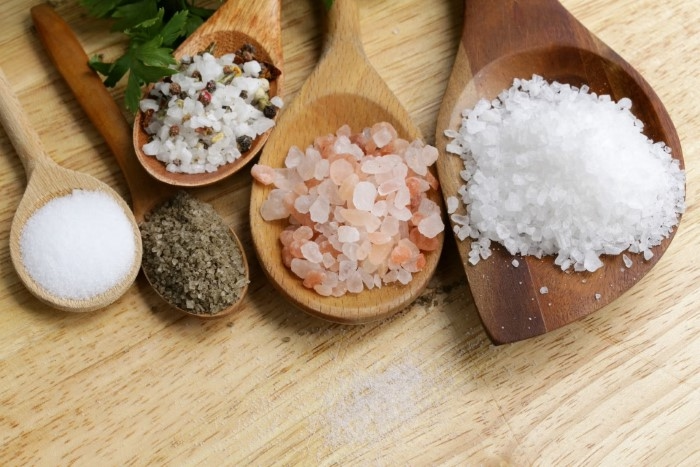
Nobody has tracked what happens years later when people consume this exact mix. From food questionnaires, we notice places with more sodium tend to have heavier heart stress. Sea salt, regular salt, or rock crystal, it hardly matters once inside. Cells react to the sodium itself. Body systems do not care where the mineral came from.
The Small Ritual Behind the Mix
Even so, doing the same steps each time matters more than people think. The act of making it brings a brief stop in the day. Pouring ingredients one by one. Combining them slowly. Putting the mix away neatly afterward. Each move plants attention where there once was none. Maybe the real gain lies less in what it is made of, and more in how you do it. Just hesitating before grabbing something store-bought instead can change the moment.
Why People Still Use Simple Kitchen Basics
Out here, the land itself pushes change. When stores lack special items, people find ways around it. Some villages mix minerals for many jobs when store-bought things cost too much or never arrive. Need drives what works, never fashion.
Safety Tips Before Using the Mix
Stay safe by keeping it away from kids. Breathing in dust might cause problems, so step back if that happens. If your skin reacts, stop using it right then. Before taking anything internally, talk to a medical professional, particularly when health issues already exist. Always keep handling cautious and awareness high.
Quick Safety Checklist
- Keep away from children.
- Avoid breathing in the powder.
- Do not rub hard on skin.
- Do not use daily on teeth.
- Do not drink it without medical advice.
- Stop using it if irritation starts.
- Store it away from moisture.
What the Pink Salt Trick Really Shows
What lies beneath has nothing to do with mixing substances. Seeing kitchen basics differently, that is the real thread. Not as one-job things, but as objects ready for new roles. This change in thinking shapes lasting homemade solutions. Cooking, scrubbing, skincare, the approach stays the same. The core is not novelty. It is looking again.
FAQs
Is combining pink salt and baking soda more effective than using them one at a time ?
Unlikely. The mix may feel useful, but it does not clearly become stronger just because both are combined.
Can I use this mix every day ?
Daily use is not a good idea, especially on teeth or sensitive skin. The gritty texture may irritate or scratch.
Can I drink pink salt and baking soda water ?
Some people do, but it can raise sodium intake. Talk to a medical professional first, especially if you have blood pressure, kidney, or stomach issues.
Does pink salt have special health benefits ?
Pink salt has trace minerals, but it works mostly like regular salt inside the body.
Why do people still make this mix ?
It may reflect a craving for less clutter, more clarity, and more control over small daily habits.
Most of the time, stacking items together doesn’t work better than taking them separately. Probably not. Maybe what’s happening shows something underneath – a wish for simpler spaces, sharper thoughts, fewer messes, moments ruled by choice rather than chaos. Seems likely. A bit of grit trapped in glass bends the light its own way. Same old atoms, yet it pulls your eye. Without effort, simply seen. Stays put because you keep looking. Perhaps that’s exactly what matters. Not the mix so much, but the act of making it – how that draws notice to a stillness nearby.