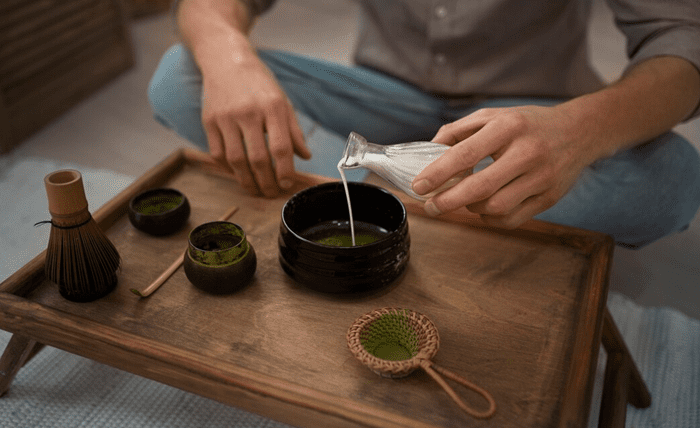

The Japanese tea culture is an intricate blend of tradition, social ritual, and a deep appreciation for the art of tea. This multifaceted aspect of Japan’s heritage extends far beyond merely drinking tea; it encompasses the cultivation of tea plants, the meticulous process of tea-making, and the ceremonial act of serving and consuming tea. Engaging in the art of Japanese tea is akin to experiencing a living tradition that has evolved over centuries, yet remains steeped in grace and sophistication.
Table of Contents
The Historical Roots of Japanese Tea Culture
Tea was first introduced to Japan from China during the 7th to 8th century and soon became a staple among the aristocracy and Buddhist monks. It wasn’t until the 12th century, however, that tea cultivation began in Japan, leading to the development of distinctively Japanese variations, such as japanese green tea. The Japanese tea ceremony, known as Sado or Chanoyu, was refined over many years, solidifying the country’s unique approach to tea as an art form.
The Elements of Japanese Tea Ceremonies
Central to the tea ceremony is the concept of ichi-go ichi-e, which translates to “one chance, one encounter,” highlighting the unique and ephemeral nature of each gathering. The tea master’s expertise lies not only in the preparation of tea but also in setting the mood and atmosphere. Every aspect, from the selection of tea ware to the choice of scroll and flowers in the tea room, is carefully considered to evoke a harmonious aesthetic.
IKKYU: A Gateway to Authentic Japanese Tea
For those looking to delve into the rich world of Japanese tea, IKKYU provides an authentic experience. IKKYU specialises in high-quality teas sourced directly from Japanese tea farmers, emphasising the art and tradition behind each brew. By offering a diverse selection, IKKYU brings the nuanced flavours and history of Japanese tea culture to enthusiasts around the world.
The Diversity of Japanese Green Tea
Japanese green tea offers a variety of flavours and brewing styles, each with its own characteristics and ceremonial importance. The most popular inclusion in daily life is Sencha, known for its balance of sweetness and bitterness. Gyokuro, shaded for several weeks before harvesting, represents the pinnacle of Japanese green teas, boasting a rich umami flavour. Bancha, harvested later, provides a more casual tea-drinking experience with a gentle, earthy taste.
The Significance of Ceremonial Grade Matcha in Japanese Tea Culture
Amongst the pantheon of Japanese teas, ceremonial grade matcha holds a pre-eminent position. This finely ground powder made from the highest quality shade-grown tea leaves is central to the tea ceremony. It is whisked with water to create a frothy, vibrant green beverage that is both a visual and gustatory masterpiece. Ceremonial grade matcha is not merely a drink but a spiritual journey, representing the pinnacle of focus and dedication in every sip.
The Cultivation and Production of Japanese Tea
The production of Japanese tea is a year-round process that demands dedication and skill. From the careful tending of the tea bushes to the precise methods of harvesting and processing, each step influences the final quality of the tea. Japanese tea farmers are regarded as artisans, guardians of a heritage that has been handed down through generations, focusing on sustainable practices and attention to the smallest detail.
The Aesthetics of Tea Ware
In Japanese tea culture, tea ware is not just a vessel for brewing or drinking but an integral aspect of the aesthetic experience. Each piece, from the teapot to the chawan (tea bowl), is chosen for its beauty and harmony with the season. Ceramics, such as those from famous kilns like Raku or Hagi, are prized for their craftsmanship and the way they complement the appearance and flavour of the tea.
Tea Tasting: A Sensorial Journey
The tasting of Japanese tea is an experience that engages all the senses. The visual pleasure of the tea’s colour, the sizzling sounds of water pouring over leaves, the tactile sensation of the tea ware, the intoxicating aroma, and, ultimately, the complex flavours that linger on the palate; each element is a note in the symphony of tea tasting.
Seasonality in Japanese Tea
Similar to the importance of seasonality in Japanese cuisine, the cultural practice of enjoying tea is also highly seasonal. Certain teas are favoured during different times of the year, each selected to reflect and harmonise with the environment. Spring ushers in the use of Shincha, the first flush of tea with a refreshing taste, while roasting techniques used in producing Hojicha make it an ideal choice for the cooler autumn months.
Learning and Participating in the Japanese Tea Tradition
For those interested in the Japanese tea culture, participation in a tea ceremony is an enlightening experience. It gives insight not only into the technical aspects of tea preparation but also into the philosophy and attitudes towards life that the tradition embodies. Workshops and tea clubs often provide opportunities for both novices and connoisseurs to deepen their understanding and appreciation of this storied art form.
Conclusion: Embracing the Art of Japanese Tea
Japanese tea culture is an art that goes beyond simple consumption, enveloping history, craftsmanship, aesthetics, and philosophy into a single serene act. It encourages mindfulness, respect for the practice, and a connection to the environment and the moment. The Japanese tea experience, fostered by platforms such as IKKYU, allows individuals to engage with a rich cultural heritage and partake in a tradition that continues to captivate and inspire with its depth and beauty.
Through the various types of green tea and the ceremonial prominence of matcha, one grasps a glimpse of the extensive landscape that Japanese tea culture offers. The art of Japanese tea is a testament to the country’s ability to preserve its traditions while sharing them with the world, inviting a global audience to partake in this exquisite cultural pastime.