
Potato starch is a popular ingredient in gluten-free baking, Asian cuisine, and as a thickener for soups and sauces. But what if you’re out of it, allergic to potatoes, or just need a quick replacement?
Luckily, there are several easy and effective potato starch substitutes you can use depending on your recipe and dietary needs.
Whether you’re baking a cake, frying chicken, or thickening a stew, this guide will help you find the perfect stand-in for potato starch.
Table of Contents
What Is Potato Starch?
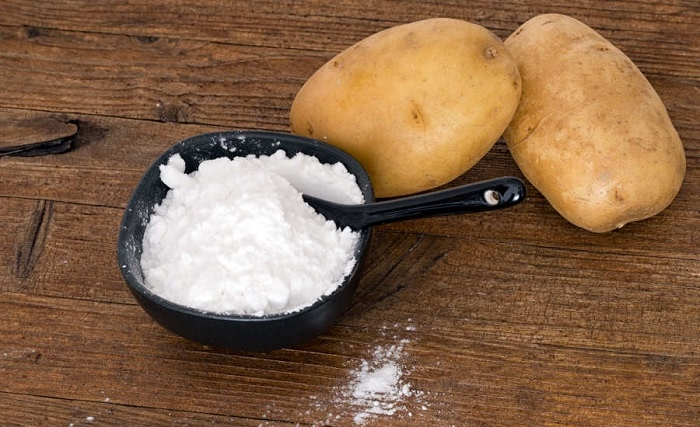
Potato starch is a fine, white powder extracted from potatoes. It’s flavorless, gluten-free, and commonly used to:
- Thicken soups, sauces, and gravies
- Add tenderness to baked goods
- Create a crispy coating for frying
- Improve the texture of noodles or batters
It’s prized for its neutral taste and high moisture absorption while staying light and non-gummy—especially in gluten-free recipes.
Top Substitutes for Potato Starch
Let’s explore the best options to replace potato starch in different types of recipes.
Cornstarch
Best for: Thickening soups, sauces, pie fillings, frying
How to substitute:
Use 1 tablespoon of cornstarch for every 1 tablespoon of potato starch
Cornstarch is the most accessible alternative. It thickens similarly and creates a glossy finish in sauces. Just remember to mix it with cold water before adding to hot liquids to avoid clumping.
Arrowroot Powder
Best for: Gluten-free baking, thickening clear sauces, stir-fries
How to substitute:
Use 1 tablespoon of arrowroot for every 1 tablespoon of potato starch
Arrowroot is flavorless and works well at lower temperatures. It’s a great option for acidic recipes and delivers a silky texture without turning sauces cloudy.
Tapioca Starch (Tapioca Flour)
Best for: Baking, chewy texture in gluten-free goods, frying
How to substitute:
Use 1 tablespoon of tapioca starch for every 1 tablespoon of potato starch
Tapioca gives a slightly sweet flavor and elastic consistency—ideal for recipes that require a bit of chew, like mochi or gluten-free breads.
Rice Flour
Best for: Frying, breading, gluten-free pancakes or muffins
How to substitute:
Use 2 tablespoons of rice flour for every 1 tablespoon of potato starch
Rice flour adds crispness to fried foods but isn’t as powerful a thickener. It works better in batters and crusts than in gravies or sauces.
All-Purpose Flour
Best for: Thickening soups, stews, baking (if gluten isn’t a concern)
How to substitute:
Use 2 tablespoons of all-purpose flour for every 1 tablespoon of potato starch
Flour is easy to find, but it’s not gluten-free and has a more distinct taste. You’ll need to cook it longer to eliminate the raw flour flavor, especially when thickening.
Quick Comparison Table
| Substitute | Ratio | Best For | Gluten-Free |
| Cornstarch | 1:1 | Sauces, frying, pie fillings | Yes |
| Arrowroot Powder | 1:1 | Sauces, baking, stir-fries | Yes |
| Tapioca Starch | 1:1 | Baking, frying, chewy desserts | Yes |
| Rice Flour | 2:1 | Frying, light batters | Yes |
| All-Purpose Flour | 2:1 | Stews, sauces, general baking | No |
How to Choose the Right Substitute
Consider the type of recipe and your dietary needs:
- For thickening sauces or gravies: Go with cornstarch or arrowroot
- For crispy frying: Tapioca or rice flour adds crunch
- For gluten-free baking: Arrowroot or tapioca offers the best texture
- When you have no restrictions: All-purpose flour is easy and accessible
Also, pay attention to the temperature sensitivity:
- Arrowroot breaks down at high heat
- Cornstarch holds up better for boiling
- Tapioca thickens quickly, but can become stringy if overcooked
Substitutes to Avoid
While some flours and starches work well, others don’t make great potato starch substitutes:
- Coconut flour: Absorbs too much moisture, can make baked goods dry
- Almond flour: Not a starch, adds texture but not thickness
- Oat flour: Works for baking, but not ideal for thickening or crispiness
Stick to true starches for the most reliable results in sauces or coatings.
FAQs About Potato Starch Substitutes
Can I use cornstarch instead of potato starch in baking?
Yes, cornstarch works well in baked goods, especially as a thickener or texture enhancer in cakes and cookies.
What’s the best gluten-free substitute for potato starch?
Arrowroot or tapioca starch are top choices for gluten-free needs.
Is potato starch the same as potato flour?
No. Potato starch is extracted from the starch of the potato, while potato flour is made from whole dried potatoes. They have different properties.
Can I use almond flour as a substitute?
Not for thickening. Almond flour lacks the binding and moisture-absorbing qualities of starches.
How do I store starch substitutes?
Keep them in a cool, dry place in an airtight container. Most have a long shelf life if stored properly.
Running out of potato starch doesn’t have to ruin your recipe. With easy alternatives like cornstarch, arrowroot, or tapioca starch, you can still achieve the perfect thickness, crispiness, or texture you need.
Always match the substitute to the purpose of the dish—whether you’re baking, frying, or thickening—and you’ll get great results every time.