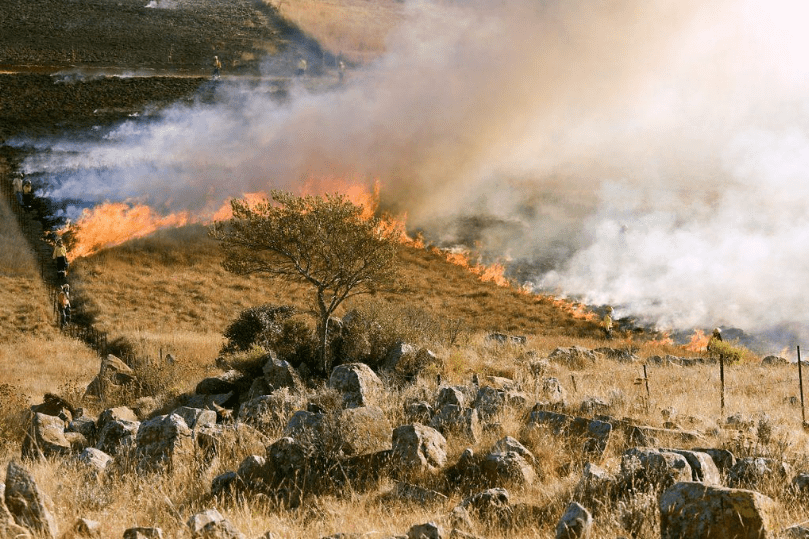

More than 9,000 homes were reduced to ash, and 18 lives were lost—all in just a few days. The Eaton Fire tore through Los Angeles County in January 2025, leaving a trail of devastation from Altadena to Pasadena. Fueled by fierce Santa Ana winds, it scorched over 14,000 acres and became one of the deadliest wildfires in California’s recent history.
In the aftermath, families were left not only to grieve but also to face insurance delays, property loss, and mounting costs. The emotional toll was staggering, but for many, the financial toll continues to rise.
If you or your loved ones were impacted, you can get compensation you deserve in an Eaton Fire claim. But can you really sue for wildfire damages? The answer depends on who’s responsible—and what the law says about it.
Read on to learn how California law handles wildfire liability—and what steps you can take to hold the right parties accountable. Whether it’s a utility company, government agency, or private entity, knowing your rights is the first step toward justice.
Can You Really Sue After a Wildfire?
Yes—under California law, victims of wildfires may sue for damages if another party’s negligence, recklessness, or willful misconduct contributed to the fire. This is especially true in cases where utility companies, landowners, or even public agencies fail in their duty of care.
In the case of the Eaton Fire, investigations have pointed to downed power lines and delayed vegetation management as contributing factors. When entities fail to take proper precautions, they can be held legally and financially responsible.
Who Can Be Held Liable for Wildfire Damages?
When wildfires are sparked by natural causes, liability is rarely an option. But when human negligence, corporate misconduct, or government inaction plays a role, victims may have a legal path forward.
In California, the law is clear: individuals and entities can be held responsible if their actions—or failures—contributed to a wildfire’s ignition or spread.
Utility Companies and Inverse Condemnation
One of the most common defendants in wildfire litigation is the utility company.
Under California’s inverse condemnation doctrine, utilities like Southern California Edison or PG&E can be held strictly liable for wildfire damages, even if they weren’t negligent. This legal principle, drawn from Article I, Section 19 of the California Constitution, holds that when private property is damaged by public use (such as power lines), the property owner must be compensated.
What this means in practice:
If faulty equipment, downed power lines, or failure to maintain vegetation sparked the Eaton Fire, affected residents may sue without having to prove negligence.
Private Landowners and Contractors
Liability isn’t limited to large corporations. Under California Civil Code § 1714, individuals are responsible for injuries or damages caused by their lack of ordinary care.
For example, if a property owner was burning debris illegally or a construction crew failed to follow fire safety protocols during high-risk conditions, they could be held liable for resulting damages. Investigations into the Eaton Fire may uncover such contributing factors.
Government Agencies
Suing the government is more complex but not impossible.
Claims against municipalities or state agencies must be filed under the California Tort Claims Act (Gov. Code §§ 810–996.6). If a city failed to clear brush in a known fire corridor or ignored fire risk warnings, claimants could argue gross negligence. However, government agencies often have immunity for discretionary actions, making these cases harder to win.
What Damages Can Be Recovered?
Victims of the Eaton Fire may be eligible to recover a broad range of damages, both economic and non-economic.
Common wildfire claim damages include:
- Property damage (homes, vehicles, structures, landscaping)
- Evacuation and temporary housing costs
- Lost income or business interruption
- Medical expenses
- Emotional distress and trauma
- Loss of pets or livestock
- Wrongful death claims (for family members of deceased victims)
In mass tort cases, courts may also award punitive damages if the defendant’s behavior was especially reckless or intentional, such as knowingly ignoring fire danger to protect profits.
The Role of Negligence in Wildfire Lawsuits
To successfully sue for wildfire damages, most cases must prove negligence. That means showing that
- The defendant owed you a duty of care.
- That duty was breached.
- The breach caused the fire.
- You suffered measurable harm as a result.
This follows the basic tort law principles of duty, breach, causation, and damages.
In high-profile cases involving utility companies, breach of duty often centers around failure to maintain power lines or ignoring weather warnings. These companies are required under California Public Utilities Code § 451 to provide “safe, adequate, and just” service—including infrastructure that doesn’t pose a fire risk.
What If You Have Insurance?
Even if you’ve received some insurance compensation, you may still have legal standing to sue. Many wildfire victims find that insurance only covers part of their losses or that claims are delayed or denied altogether.
Additionally, subrogation allows insurers to pursue the at-fault party after paying out your claim, but that doesn’t stop you from also seeking full damages through a civil lawsuit.
Statute of Limitations: Don’t Wait Too Long
In California, wildfire lawsuits must typically be filed within two years from the date of the fire under California Code of Civil Procedure § 335.1. Missing this deadline can forfeit your right to pursue compensation altogether.
There are some exceptions—for example, if a government agency is involved, you may need to file an administrative claim within six months. That’s why timing is critical.
Final Thoughts
Wildfires like the Eaton Fire leave more than physical scars—they disrupt lives, destroy homes, and cause lasting emotional trauma. Knowing who can be held accountable and what the law provides is key to rebuilding not just your property but your future.
If you believe someone else’s actions contributed to the fire that harmed you, the law is on your side—but only if you act within the legal timeframe and with the right support.