

Chili oil is one of those simple kitchen treasures that bring dishes to life. Even eggs can be made more exciting with a small spoon. The store versions are fine, but nothing matches the flavor of fresh, homemade chili oil. When you do it yourself, you control the heat; the flavor; and often enough for me, the texture. You can make it mild, strong, smoky or sharp depending on the blend.
The good news is that producing chili oil at home is easier than most people realize. Just a handful of ingredients, a little bit of heat and a steady hand. This guide takes you through everything you need to know, from choosing the right chili flakes to storing your finished oil. By the time you are done, you will have a jar of chili oil that tastes fresh and smells sensational and lasts weeks.
Table of Contents
QUALITIES OF A GOOD CHILI OIL
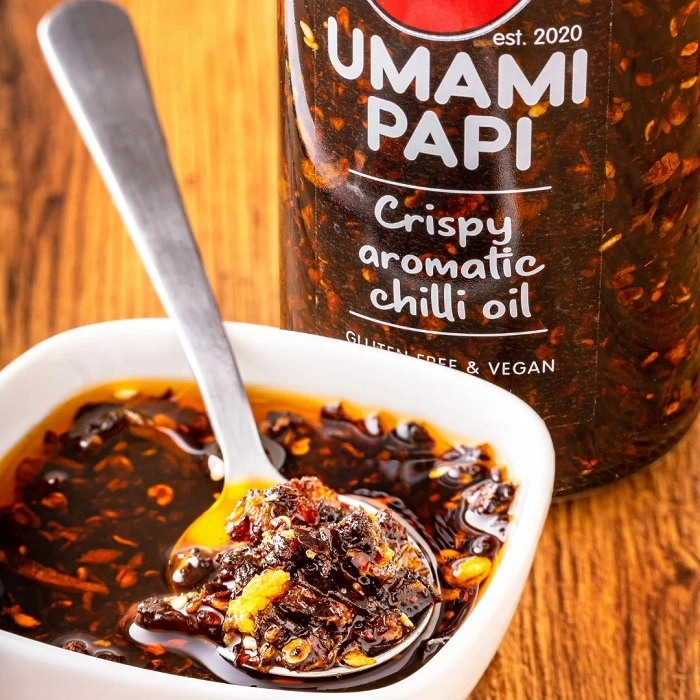
A good chili oil has depth. It is not just heat. It has aroma, color and flavor that all kind of just blend together nicely. The base is plain: a neutral oil plus chili flakes. But the little choices define the mask. Add a few cloves of garlic, shallots, ginger or a handful of spices and you’ve entered another level.
Heat level is also important. Some people want mild warmth. Others love sharp fire. A mix of chili flakes provides a balanced heat. To rely on only one can mean that the oil feels flat or too sharp. A great chili oil also depends on temperature. Too hot and it burns the chili, making it bitter. Too low, and the flavor comes out weak. Once you know how to regulate this, your chili oil comes out rich and smoky each time.
The Puzzle Pieces to the Best Chili Oil
Chili oil begins with humble ingredients. You can make it plain, or you can fill it with aromatics for a nuanced taste. The oil you choose makes a big difference. It’s best to use a neutral oil, like canola, peanut or vegetable oil — it will let the chili flavor come to the fore. Olive oil is too powerful, and some oils burn lightning fast.
Your chili flakes are the heat. Chinese chili flakes, Korean gochugaru, Thai crushed chili or fresh dried red peppers will all provide different results. For flavor Dry spices, like star anise, cinnamon, bay leaf or peppercorn for additional aroma. You don’t need all of them, but even a couple can shift the course of your oil.
Ingredients You Can Use
- Neutral oil, such as canola or peanut
- Dried chillies -flakes or crushed
- Garlic for aroma
- Ginger for warmth
- Shallots for sweet depth
- Whole spices such as star anise or cinnamon
- Salt or soy sauce for balance
Step-by-Step Guide to Making Chili Oil
It’s a quick process, but you’ll want to pay attention at each step. Combine chilli flakes, salt and any optional dry spices first in a heat proof bowl. That’s where the flavor will develop later. Then heat your oil slowly. Add aromatics, like garlic or ginger, to the oil and cook gently until they brown. This flavors the oil.
Take the aromatics out when they get golden to prevent burning. Now the oil is ready. Gently pour it over the chili flakes in one breathless swoop. When the hot oil hits those flakes, it produces a rich red hue. It will bubble for a matter of seconds, but that’s when the taste is made. Stir gently and allow the oil to cool. Once it is at room temperature, transfer to a jar and let it rest a day. The flavor deepens over time.
Common Mistakes to Avoid
- Boiling the oil and charring the chili
- Overflavoring with oil
- If you’re adding wet ingredients, which can splatter
- Over-frying the garlic in the oil
- Keeping the oil warm
How to Use Chili Oil in Cooking
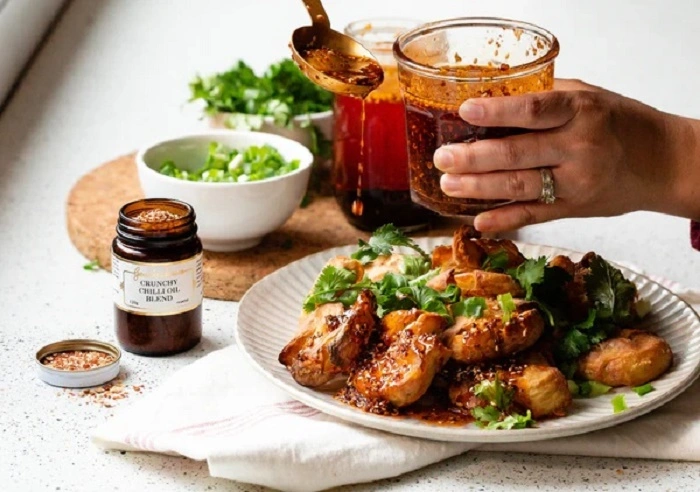
Chili oil is perhaps the most versatile of all the condiments you will ever have in your kitchen. One spoonful can brighten a bowl of noodles, soups or grilled meat. Plenty use it in dumpling sauces, cold noodle bowls, pizza or rice. It complements spicy and sweet flavors.
If you have a favorite stir fry recipe, drizzle some into the pot toward the end for a warming note. Put a spoonful in marinades for an additional level of flavor. You can even throw the chili flakes on the bottom in with some sautéed vegetables. Some cooks like to combine chili oil with vinegar or soy sauce for a quick dipping sauce. (After you start using it regularly, you’ll discover a thousand ways to stir it into almost anything.)
Also Read: Baked Chicken Wings Recipe: Crispy, Juicy, Flavor Packed Every Time
How to Store Chili Oil Correctly
Proper storage will help your chili oil stay fresh longer. That would be in a clean, tightly sealed glass jar. Check if the jar is dry when you pour in the oil. Moisture can spoil it. If you used fresh garlic or ginger, store the oil in the refrigerator. This helps it from going bad too quickly.
I see plain chili oil that doesn’t have fresh aromatics (like the garlic and ginger in this one) sitting on a counter all day. Store the jar in a cool, dark place out of the light. The color holds bright, the flavor stays big. Before serving or using, shake the jar a little to merge the spices. Chili oil can keep for weeks, even months, when stored properly.
How to Customize Your Chili Oil to Suit Your Own Tastes
The most fun thing about making chili oil is how customizable it is. If you want more heat, then simply boost the chili flakes or use spicier peppers. If you’d like more scent, toss in some garlic, ginger or spices. A touch of sugar or soy sauce might make the flavor rounder.
You also get to control the color of the oil. If you’d like a deeper red, add more chili powder, or mix together fine and coarse flakes. If you like a tame flavor, grab some Korean gochugaru, which is vivid in color but softer in intensity. Customizing your oil is part of the fun. You may need it to loosen up or make your operation more sludgelike.
FAQ
Is chili oil very spicy?
Well that depends on what chili you are making. It can be subtle or strong.
Can I use olive oil?
You can, although the flavor might be a little overpowering for the chili. Neutral oil works better.
How long does chili oil last?
It can keep for weeks or even months if you store it properly.
Can I add fresh herbs?
Yes, but refrigerate the oil if using fresh.
What went wrong to make my chili oil bitter?
The oil was too hot, or the chili burned.
Homemade chili oil is easy, assertive and full of flavor. With only a few steps and ingredients, you’ll have an intense red oil that can elevate almost anything you put it on. So long as you tame the heat, hit a good balance of sharpness and saltiness, a kitchen without a jar of this amazing condiment becomes an impossibility. Whether drizzled over noodles, stirred into sauces or dolloped onto soups — chili oil adds body and heat to everything it touches. How to Enjoy This Recipe Feel free to play with the flavors and make it your own.

