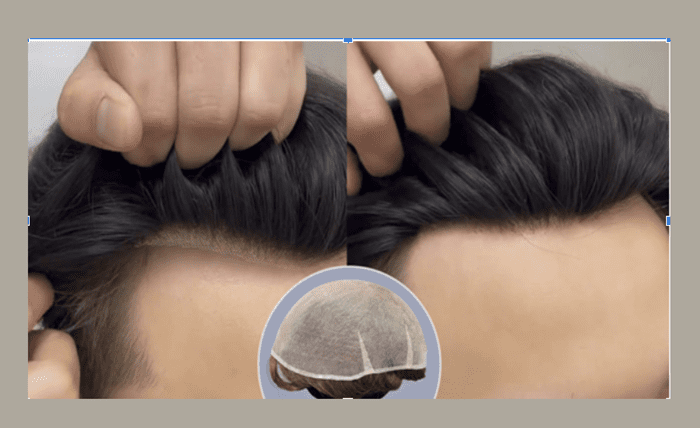

Hair replacement systems have come a long way from the obvious wigs of the past. Today’s hair systems—also known as toupees or non-surgical hair replacements—are virtually undetectable, incredibly versatile, and designed to withstand daily life. But one of the most common concerns among new and prospective wearers remains:
“Can I swim, sleep, and shower with my hair system?”
The answer is yes—absolutely. With proper application, the right adhesive, and a consistent maintenance routine, a high-quality hair system will allow you to lead a normal, active lifestyle, including all three of those activities. In this article, we’ll take a deeper look into what’s required to make that happen and how you can protect your investment for the long run.
Table of Contents
Sleeping with a Hair System
Let’s begin with one of the most basic routines of everyday life: sleep. Yes, you can definitely sleep with your hair system on. In fact, most wearers do. Today’s systems are made for continuous wear—24/7 for weeks at a time—depending on the adhesive used and how well the system is maintained.
However, sleeping does present some friction between your hair and the pillowcase, which can accelerate wear on the hair fibers over time. To mitigate this, experts recommend:
- Using a silk or satin pillowcase: These fabrics reduce friction and help minimize tangling and matting while you sleep.
- Brushing hair gently before bed: A light detangle helps prevent knots from forming overnight.
- Keeping hair dry while sleeping: Moisture and friction together can weaken hair bonds, so make sure your system is fully dry before going to sleep.
If your system is secured with a strong bond and properly applied, you don’t need to worry about it shifting or falling off during the night.
Showering with a Hair System
Showering with a hair system is not only possible—it’s necessary for good hygiene and appearance. Just like natural hair, your hair system will collect sweat, oils, and environmental debris. The key to showering safely lies in your technique and the products you use.
Best Practices:
- Avoid hot water: Very hot water can weaken the adhesive and damage the hair fibers. Stick with warm or lukewarm water.
- Use sulfate-free shampoo and conditioner: Sulfates strip natural oils from both human hair and synthetic fibers. Look for gentle, moisturizing products.
- Wash no more than 1–2 times per week: Over-washing can lead to dryness and premature shedding.
- Pat dry instead of rubbing: After washing, use a towel to gently pat the hair dry. Avoid vigorous rubbing which can pull on the base or tangle the hair.
Also remember to avoid combing wet hair, especially for V-looped or injected skin bases, where the hair strands are not knotted but rather embedded. Wet strands are more fragile and susceptible to shedding.
Working Out with a Hair System
Exercise and sweat are common parts of everyday life, especially for active individuals. Fortunately, hair systems can handle workouts just fine. Whether you’re running, lifting, doing hot yoga, or playing sports, your system can stay secure—if bonded properly.
That said, sweat contains salt, which can degrade the adhesive over time. If you exercise regularly, consider the following:
- Use waterproof, sports-grade adhesive: These are specially formulated to withstand sweat and moisture.
- Clean your scalp regularly: Sweat buildup on the scalp can weaken the bond, especially if your skin is oily. Clean the area with alcohol wipes or scalp protectors between applications.
- Rinse your system after heavy workouts: Even if you don’t shampoo, a light rinse helps remove sweat and oils.
Some users even opt for a second hair system used exclusively for gym or outdoor activities. Rotating systems not only extends the lifespan of each one but also ensures you always have a fresh look.
Swimming with a Hair System
Swimming is the most complex of the three activities when it comes to hair system care, due to the combined effects of chlorine, saltwater, and UV exposure. But the answer remains yes—you can swim with a hair system, if you prepare correctly.
Risks and Challenges:
- Chlorine and saltwater can dehydrate and damage human hair, leading to dryness, brittleness, and fading.
- UV rays can bleach and weaken hair strands, especially if the hair is already lightened or colored.
- Water saturation may loosen some adhesives if not fully cured or waterproof.
How to Swim Safely:
- Pre-wet the hair: Wet your system with clean water before entering a pool or ocean. This limits how much chlorinated or salty water it absorbs.
- Apply conditioner before swimming: This creates a barrier that protects hair strands from chemical damage.
- Wear a swim cap: Though not always stylish, a swim cap provides the best protection from both water and UV exposure.
- Use a waterproof adhesive: Choose a bonding product designed for extended wear or sports. Make sure the bond has fully cured (usually 24 hours) before entering the water.
- Shampoo and condition immediately after swimming: Use chlorine-removal or moisturizing shampoos to eliminate chemical buildup.
- Deep condition weekly: Restore lost moisture and keep hair soft and manageable.
Bonus tip: If you swim often, consider having a backup hair system. Even with careful care, water exposure will shorten the lifespan of any unit.
Hair Type Matters
The type of hair used in your system also affects how well it holds up to daily wear.
- Virgin human hair is the most durable and natural-looking but still needs regular conditioning.
- Remy hair is aligned cuticle hair that looks natural but may fade faster after chemical processing.
- Non-Remy hair is more prone to tangling and damage, especially when wet.
- Synthetic hair resists fading and chlorine but is not heat-resistant and may feel less natural.
Each type has trade-offs, but human hair remains the best option for those seeking versatility and realism in styling and texture.
Final Tips for 24/7 Wear
If your goal is to wear your hair system around the clock—including during sleep, showers, workouts, and swimming—then these additional tips will help:
- Choose the right base: Ultra-thin skin bases are more natural but less durable. Mono or lace bases offer breathability and strength.
- Mind the density: Lower densities are lighter and easier to maintain during active use.
- Brush gently and infrequently: Overbrushing can lead to premature hair loss. Use detangling sprays and soft brushes.
- Rotate your systems: Having more than one system reduces overall wear and gives each one time to rest and recover.
Conclusion: Freedom and Confidence with Bono Hair
Modern hair systems allow you to live life on your terms—swim, sleep, shower, and sweat—without worrying about your hair. Whether you’re enjoying an active lifestyle or simply want the ease of all-day confidence, the right system makes it all possible.
At Bono Hair, we specialize in premium non-surgical hair replacement systems that support every aspect of your daily routine. Our products are crafted with 100% human hair, customizable base designs (including skin, lace, and mono), and are ideal for both beginners and experienced wearers. Whether you need durability for workouts, breathability for sleep, or a natural finish for poolside photos, we have the perfect solution for you.
With factory-direct pricing, fast global shipping, and a team of experts ready to support you, Bono Hair is your trusted partner in hair confidence.
Visit www.bonohair.com to discover the system that fits your lifestyle—and start living life without limits.