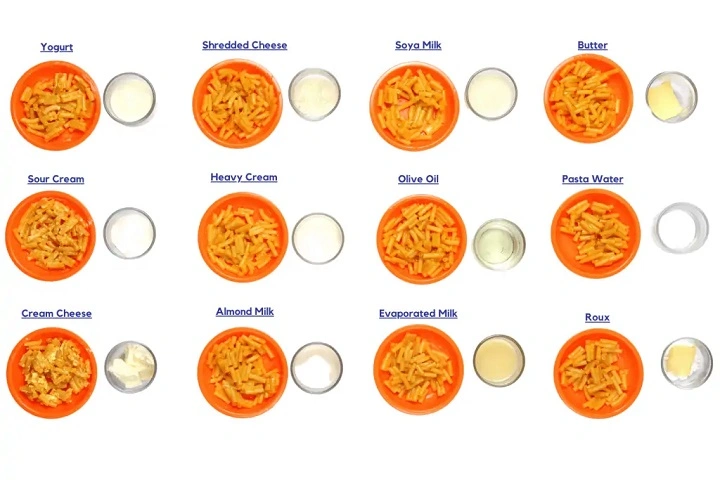

Mac and cheese is a classic comfort food loved by many. Its creamy, cheesy texture largely depends on milk, which traditionally helps create that perfect sauce. But what if you don’t have milk on hand, are lactose intolerant, vegan, or simply want to experiment with different flavors? Luckily, there are several great substitutes for milk in mac and cheese that can keep your dish rich, creamy, and flavorful. In this article, we will explore the best milk alternatives for mac and cheese, how to use them, and tips to achieve the perfect consistency and taste.
Table of Contents
Why Consider Milk Substitutes in Mac and Cheese?

Milk plays a crucial role in mac and cheese by adding creaminess, moisture, and a smooth texture to the cheese sauce. However, there are several reasons why someone might need or want to use a milk substitute:
- Dietary restrictions such as lactose intolerance or dairy allergy.
- Vegan lifestyle which excludes all animal products.
- Availability issues when fresh milk isn’t on hand.
- Desire for unique flavors by using plant-based or other non-dairy options.
Whatever your reason, finding the right milk substitute is key to maintaining the deliciousness of your mac and cheese.
Top Substitutes for Milk in Mac and Cheese
Plant-Based Milks
Plant-based milks are the most popular milk substitutes, especially for vegan or lactose-intolerant individuals. Here are some of the best options:
Almond Milk
Almond milk is a mild, slightly nutty milk alternative that works well in mac and cheese. Its light texture means it won’t weigh down the dish, but it still provides enough creaminess when combined with cheese or vegan cheese alternatives.
- Use unsweetened, unflavored almond milk to avoid adding unwanted sweetness.
- It’s best to use almond milk with a higher fat content (barista blends) for richer sauce.
Soy Milk
Soy milk is another excellent substitute, known for its creamier consistency compared to other plant milks. It has a neutral flavor that complements the cheese without overpowering it.
- Use unsweetened soy milk for savory dishes like mac and cheese.
- Soy milk’s protein content helps replicate milk’s binding properties in sauces.
Oat Milk
Oat milk has gained popularity due to its creamy texture and mild flavor. It adds natural sweetness and thickness to mac and cheese.
- Choose barista-style oat milk for a creamier consistency.
- Oat milk can enhance the smoothness of the cheese sauce.
Coconut Milk
Coconut milk, especially the canned full-fat version, is very creamy and rich. However, it has a distinct coconut flavor which may or may not suit your mac and cheese taste preference.
- Use light coconut milk or dilute full-fat coconut milk with water to avoid overwhelming coconut flavor.
- Best for experimental or fusion recipes where coconut taste is welcome.
Broth or Stock
For a lighter, less creamy alternative, using vegetable or chicken broth can add depth of flavor without dairy. This works best if you add extra cheese or a fat source like butter or olive oil to balance texture.
- Use low-sodium broth to control saltiness.
- Combine broth with a small amount of flour or cornstarch slurry to thicken the sauce.
Cream Cheese or Sour Cream
If avoiding milk but still consuming dairy, cream cheese or sour cream can replace milk to provide a thick, creamy texture with tangy flavor.
- Use cream cheese softened and whisked with a bit of water or broth.
- Sour cream adds a nice tang and creaminess; add gradually to avoid curdling.
Greek Yogurt
Greek yogurt can add creaminess and protein while making the mac and cheese tangier and thicker. It’s ideal for those who tolerate dairy but want a healthier twist.
- Use plain Greek yogurt, stirred in off heat to avoid separation.
- It thickens the sauce nicely but use sparingly to avoid overpowering tang.
Cashew Cream
Cashew cream is a vegan favorite made by soaking cashews and blending them into a smooth, rich cream. It’s perfect for a decadent, dairy-free mac and cheese.
- Soak raw cashews overnight, then blend with water until smooth.
- Cashew cream adds richness and silkiness, enhancing the cheese sauce texture.
Evaporated Milk
Evaporated milk is a canned milk product with reduced water content, providing a thicker, creamier texture than regular milk. It’s a great substitute when you want richer sauce but don’t have fresh milk.
- Use the same quantity as regular milk.
- It enhances creaminess and smoothness.
Tips for Using Milk Substitutes in Mac and Cheese

Adjust for Thickness
Different substitutes vary in consistency. For thinner liquids like almond or soy milk, you may need to thicken your sauce with a roux (butter and flour) or a slurry of cornstarch and water.
Flavor Balance
Some milk substitutes have distinct flavors (coconut, oat, almond) that can affect the overall taste. Start by using small amounts or mixing with broth or water to mellow flavors.
Cheese Choice Matters
The type and amount of cheese influence the sauce’s texture and flavor. Stronger cheeses like sharp cheddar, Gruyere, or Parmesan can help mask mild flavors from plant-based milks.
Heat Carefully
Avoid cooking substitutes like yogurt or cashew cream on high heat for long periods to prevent curdling or separation. Add these ingredients at the end of cooking or off the heat.
Combine Substitutes
For best results, combine different substitutes. For example, use broth plus cashew cream or almond milk plus a bit of sour cream to achieve desired creaminess and flavor.
How to Make Mac and Cheese Without Milk: A Quick Recipe Using Substitutes
Here’s a simple method to make mac and cheese using almond milk as a substitute:
Ingredients:
- 8 oz elbow macaroni
- 2 cups shredded cheddar cheese
- 2 cups unsweetened almond milk
- 3 tbsp butter or vegan butter
- 2 tbsp all-purpose flour
- Salt and pepper to taste
- 1/2 tsp mustard powder (optional)
Instructions:
- Cook macaroni according to package instructions; drain and set aside.
- In a saucepan, melt butter over medium heat.
- Whisk in flour and cook for 1-2 minutes to form a roux.
- Gradually whisk in almond milk, stirring constantly until sauce thickens.
- Add mustard powder, salt, and pepper.
- Remove from heat and stir in shredded cheese until melted and smooth.
- Mix in cooked macaroni and serve warm.
This recipe highlights how almond milk can replace dairy milk successfully without sacrificing creaminess.
FAQs About Milk Substitutes in Mac and Cheese
What is the best non-dairy milk substitute for mac and cheese?
Soy milk and oat milk are excellent choices due to their creamy texture and neutral flavors, making them ideal for mac and cheese.
Can I use broth instead of milk in mac and cheese?
Yes, broth can be used but it won’t provide the creaminess of milk. To compensate, add a thickener like flour or cornstarch and extra cheese or fat.
Does coconut milk work well in mac and cheese?
Coconut milk can add creaminess but has a distinct flavor that may not suit traditional mac and cheese. Use light coconut milk or dilute full-fat versions.
How do I prevent plant-based milk from curdling in cheese sauce?
Heat gently and avoid boiling. Add plant-based milk gradually and stir constantly. Also, avoid adding acidic ingredients too early.
Can I replace milk with Greek yogurt in mac and cheese?
Yes, Greek yogurt can add creaminess and protein but use off heat or low heat to prevent curdling and add it at the end of cooking.
Milk substitutes for mac and cheese provide flexibility for dietary needs and flavor experiments. Whether you opt for plant-based milks like almond or oat, rich alternatives like cashew cream, or dairy options like sour cream and Greek yogurt, you can still enjoy a creamy, satisfying mac and cheese. Adjusting consistency and flavor balance is key when substituting milk to get the perfect cheesy comfort food every time.