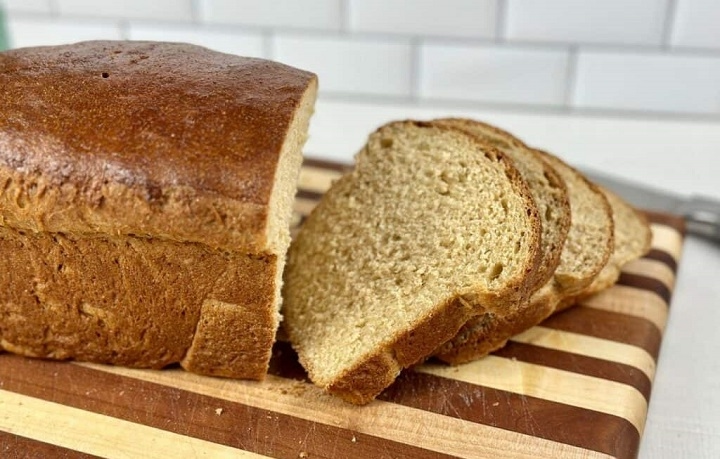

Baking bread with fresh milled flour It is certainly a tastier option compared with the mass-produced type. The moment you grind grain, the kitchen is filled with wonderfully homey warm, nutty smells that store-bought flour can’t touch. This sort of bread feels alive, tethered to tradition and the elemental building blocks of sustenance. It’s more than just baking — it’s that experience of getting closer to your food.
Fresh milled flour bread is simply about slowing down and enjoying the journey. For millennia, families all over the world milled grain shortly before baking to preserve flavor and nutrients. We live in a convenient world and making our own feels grounding and rewarding. The result is a loaf that’s hearty, fragrant and full of character, with a depth of flavor that the sleek, modern refined flours often lack.
Table of Contents
What Is Fresh Milled Flour
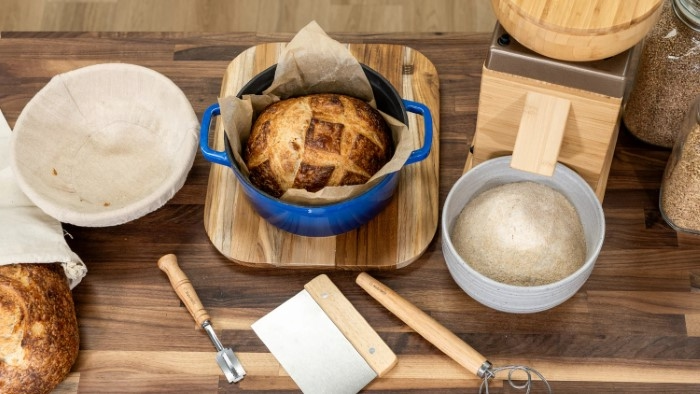
Fresh milled flour is not a finished product. Unlike commercially milled flour, it still contains its bran, germ and endosperm providing natural oils and nutrients.
- Since the flour hasn’t been sitting in a pantry for months, it tastes fresher and acts differently when combined into dough. Bread from it tastes fuller, and has darker color and more complex texture.
- Flour From Wheat Berries Pop into a floured lined basket or couche (see note below) and dust the tops generously with flour.
- Baking with freshly milled flour isn’t just about nutrition — it’s about flavor and texture. The oils in freshly milled grain lend a delicate sweetness and nuttiness that adulterated flour cannot duplicate.
The process is also often more satisfying for many bakers. The act of milling your own flour creates a deeper relationship with your ingredients; each loaf feels intentional, meaningful.
Choosing the Right Grains
Whole wheat berries are the most popular for fresh milled bread or pastry flours. Hard red wheat yields a robust, earthy taste; hard white wheat results in a milder, lighter loaf.
- You can also do spelt, einkorn, and rye alone or mixed. Every grain has a distinct personality, so you can adjust flavor and texture.
- What you need to make homemade milled flour bread Recipe Ingredients When using freshly ground flour your whole grain breads will be fresher, faster!
- On the surface, fresh milled flour bread is simple. All you need is freshly ground flour, some water, yeast, salt and a bit of fat.
Some bakers introduce honey or maple syrup for a touch of sweetness, while others like to keep the flavor of the grain in its natural state. And the ingredients are so pristine because all they serve to do is enhance the flavour of your flour.
Understanding Hydration
Whole mill flour absorbs more water then high extraction because it has a higher fiber content.. The dough you make from it is often a bit more sticky in the beginning.
Giving the flour sufficient time to fully hydrate makes the dough more manageable and leads to better end results, texture-wise. Whole grain doughs are all about patience.
Mixing the Dough
All you do is mix warm water and yeast together to activate. When foamy, pour in the fresh milled flour and salt, and mix until a shaggy dough forms.
The dough should be rough and irregular at this point. That’s actually normal and it will get better as the gluten develops when you knead and rest.
Kneading for Structure
The dough also requires a lighter touch when kneading, made with fresh milled flour. The bran particles can interrupt the gluten development process so longer kneading at lower intensity is best.
Dough will be elastic and a little sticky, but will retain its shape and feel soft.
The Importance of Resting
Rest for fresh milled flour bread is necessary. The dough needs to rest, so that the bran can soften and the gluten develop in its own time.
This rest also helps the texture and makes the dough more easy to shape later.
First Rise and Fermentation
Flavor and structure develop in the dough during the first rise. Freshly milled flour dough may rise a bit slower but with more flavor to the loaf.
Let the dough rise in a warm, draft free place until it doubles in size.
Shaping the Loaf
Once it’s risen, gently deflate the dough and shape into a loaf. Do handle it gently so as not to release the air formed during fermenting.
Shaping is important for even baking and good crumb.
Second Rise
The second rise ensures the loaf has a chance to rest and relax, expand once again before going into the oven. This step is done to avoid tight crumb and to enhance oven spring.
The dough at this stage should feel light and a little puffy ready to be baked.
Baking the Bread
Bake in preheated oven until the crust is golden brown and bread sounds hollow when tapped.
The natural sugars can lead to a deeper crust color with fresh milled flour bread.
Cooling and Slicing
To serve, cool the bread completely and cut into slices. If you cut the bread too soon, it will compress the crumb and become gummy.
The scent grows stronger as it cools, filling your kitchen with a warm, earthy aroma.
Flavor and Texture Profile
This bread made with fresh milled flour has a full rich taste, being nutty and a little sweet. The crumb is sturdy but tender, with a gratifying chew to it.
It also goes well with butter, honey, soups or sturdy spreads.
Storage Tips
Storage: The bread can be kept at room temperature in a breathable bag for up to 3 days. Slicing and freezing is also a successful way to preserve it for longer.
Do not refrigerate, as that will dry out the loaf.
Common Challenges and Solutions
If the bread is dense, hydration might need to be changed. Leaven and sticky dough are almost always better with rest, not flour.
They all behave differently, so those little tweaks just help keep perfecting your process over time.
Frequently Asked Questions
Can I substitute fresh milled flour into any bread recipe?
Yes, with adjustment for hydration and kneading.
Does fresh ground flour rise well?
Yes, although it may rise slightly more slowly than refined flour.
Is fresh milled bread healthier?
“When you compare it to other white breads, whole wheat has more nutrients because it is less processed,” says Palinski-Wade.
Can I combine fresh-milled flour and store-bought flour?
“Definitely, a lot of bakers mix them because it can provide balance.
Do I need special equipment?
You’ll definitely want to have a grain mill, but everything else can be made with average kitchen tools.
Fresh milled flour bread is more than a recipe – it’s a return to tradition, flavor and making the most out of your baked goods. There is care, patience and respect for humble ingredients in each loaf.
It’s difficult to return once you taste the flavor and smell of bread made with freshly ground grain. This is bread that feeds both body and soul, a snapshot of how some of the best food is made when we slow down and do it the old way.