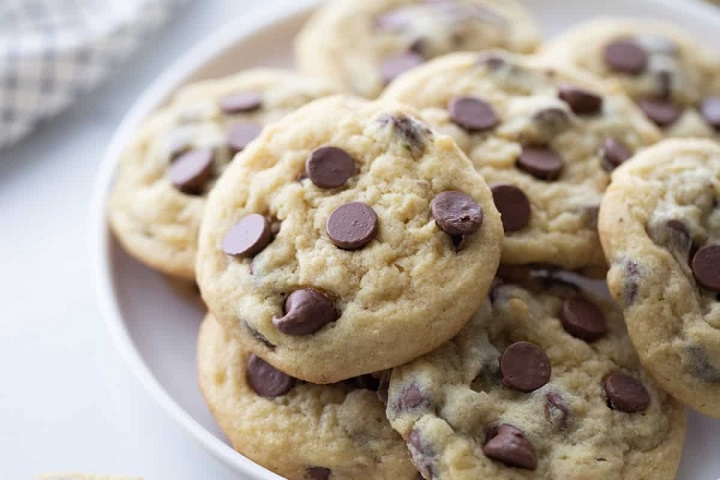

Baking can be simple. Often, less effort brings better results. This cookie uses just three things: flour sits beside sweetened milk, joined by bits of chocolate. It stands apart, not because it tries, but because it skips the usual steps. Room-temperature butter? Not needed here. Besides broken shells, nothing fussy happens here. Sifted flour stays absent, cold waits another day, accuracy matters less than what fits inside a mixing bowl. A spoon stirs, that’s enough.
Table of Contents
Why This 3 Ingredient Cookie Works
Strange how it holds together at all. Baked goods usually need a careful balance. Flour builds framework through gluten. Rising happens thanks to trapped gas or baking powder. Butter keeps things soft. Every ingredient has its role in classic mixes. Take away any key piece, the whole thing often fails. Still, stripping almost all of it out somehow results in something you can eat, maybe even enjoy. So what makes that possible?
Simple Ingredients
| Ingredient | Role in the Cookie |
| Flour | Builds the basic structure |
| Sweetened condensed milk | Adds sweetness, moisture, and binding |
| Chocolate chips | Adds flavor and rich patches |
The Role of Sweetened Condensed Milk
That creamy syrup is not just about sugar. Protein plus lactose inside it darken when warm, changing how things taste. Thick like paste, it holds bits together even without eggs joining in. Less moisture moves around where sugar sits heavy, so mold waits longer to grow, while surfaces crisp up nicely. Heat wakes chemistry. Quiet dough shifts color at the rim, building tastes that never show up cold. Even without liquid water, flour manages some gluten formation because condensed milk contains moisture. That tiny bit of wetness builds just enough structure to keep things together, though it will not stretch or bounce back like proper dough. Shape holds. Chew does not.
Basic Mixing Method
Simple Steps
- Add flour to a mixing bowl.
- Pour in sweetened condensed milk.
- Add chocolate chips.
- Stir everything with a spoon.
- Shape the dough into small rounds.
- Place them on a baking tray with space between each one.
- Bake until the edges look set and the tops show tiny cracks.
- Let them rest before moving.
What Happens to the Chocolate Chips
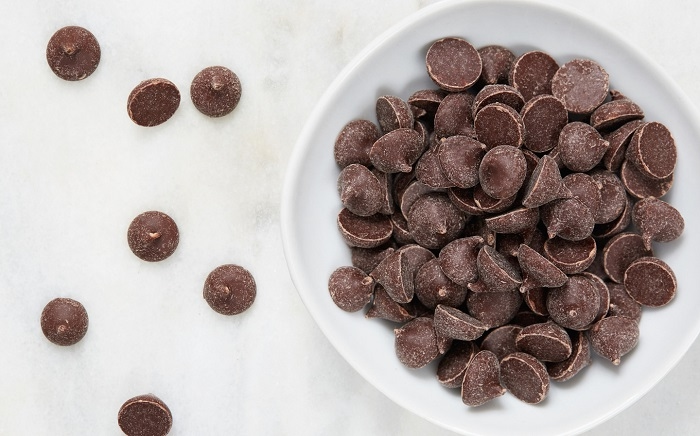
Inside the mix, chocolate chips stay just as they are. Yet once warmth hits, everything changes. Around 90°F or 32°C, melting kicks in, well ahead of the dough firming up. Softening lets them drift downward, collecting wherever pull takes them. This results in patches of intensity. No mistake, just how it works. A sudden rush of chocolate hits here. There, a stretch without anything bold steps in. What feels off actually keeps attention alive. Folks claim to prefer evenness. Truth is different. Surprise wins every time, even when unspoken.
Best Baking Temperature
Heat plays a role, yet rarely how people assume. Crank it high, the sweetness chars while the middle stays soft. Go too cool, edges run outward, leaving slick pools of cocoa fat. Midpoint warmth, around 350°F or 180°C, guides steady shifts. Shape sets just ahead of runaway flow. Still, ovens respond in their own way. Convection pushes warmth around while radiant coils just glow below. Higher ground means water boils sooner, pulling steam out faster. When air holds more dampness, the dough reacts before it ever touches the sheet. Recipes cannot correct all of that on paper. Conditions shape baking slowly, quietly. Control slips, even when you try.
Why Shape and Spacing Matter
Round shapes matter when baking. How dough sits on the tray changes how heat reaches it. Smooth, even piles let air move around better. Uneven lumps create hot spots. Space between each piece helps them rise without crowding. Thin edges burn quicker if spread too wide. Steam gets trapped if cookies crowd the pan, making spots soggy. Space keeps them from running together. With just a few things in play, tiny details shape the result. When little else is around to compensate, every detail counts extra.
Baking Tray Guide
| Tray Type | How It Affects Cookies |
| Dark pan | Browns cookies faster |
| Shiny metal pan | Slows surface browning |
| Glass dish | Heats slowly but holds heat well |
| Nonstick tray | Releases cookies easily |
| Aluminum tray | Transfers heat quickly |
How to Know When They Are Done
Later matters more than the clock shows. Oven temperatures differ. Some burn hotter, others crawl behind. Watch what you see, not just numbers. The middle gives a tiny jiggle. Around the edges, things look rougher. Tiny splits spread across the top, like cracked mud in summer. Out comes the tray at that point. Heat lingers inside even once pulled away. Stay too long by 120 seconds, and soft turns rigid.
Let the Cookies Rest
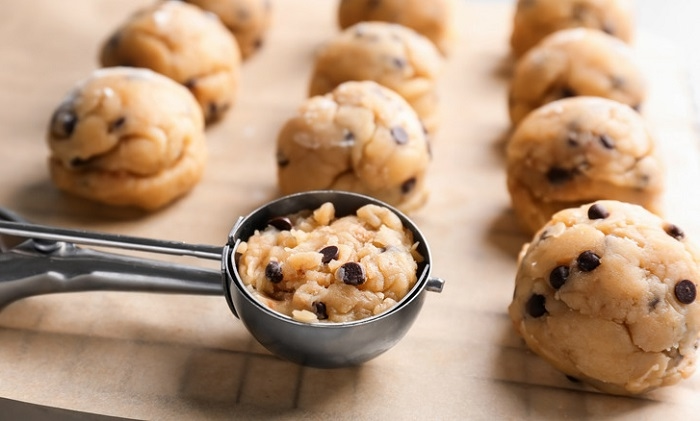
Cookies need time to set after baking. Lifting them early makes them droop because they are still soft inside. The structure needs a moment to strengthen. Give them five or even ten minutes before moving them. Then they hold together much better. Once moved to the rack, the base quits steaming. The sheet holds heat without letting go too fast. Staying put too long invites moisture underneath.
Storage Tips
Same idea applies to keeping them around. When air gets in, they go stale. No germs involved, just starch rearranging itself. Water leaks out slowly. Crystals build back up. The feel becomes hard and less pleasant. A tight lid helps delay that shift. Even then, changes keep coming. Peak quality lands before the third day passes. Once frozen, movement stops for a while. When warmed again, it will not feel exactly like before.
What This Recipe Leaves Out
This quiet change uncovers unnoticed habits in everyday methods. Vanilla shows up in nearly every batch of cookies. Usually marked as a choice. Seldom examined why. Yet leaving it out highlights its role. More than taste, it holds the smell together. Missing that base note lets sugar rush ahead. The chocolate aroma trails behind. Experience turns flat without depth. Salt might seem missing here. Still, store-bought chocolate holds a bit anyway. Even condensed milk brings sodium, roughly 75 milligrams in one spoonful. Is that sufficient? Depends on who tastes it. People differ widely in what they like. A few crave that bold edge salt gives. Many settle into the calm of gentle flavors instead.
Common Mistakes to Avoid
| Mistake | What Happens |
| Baking too hot | Edges may burn before the middle sets |
| Baking too cool | Cookies may spread too much |
| Crowding the tray | Steam gets trapped and cookies turn soggy |
| Moving too early | Cookies may droop or break |
| Leaving them exposed | Texture turns stale faster |
Is This a Healthy Cookie?
Just because it tastes good does not mean it is healthy. Sugar levels stay high. Nothing changes there. Using dairy means some people cannot include it in their meals. Gluten sticks around, no removal here. Switching to vegan or keto versions messes with how everything behaves. These issues are not fixed inside this setup.
Why Simple Baking Can Teach More
Something different does not erase what came before. That is not the point at all. Instead, it shows how often we mistake routine for requirements in baking. A lot of so-called must-dos stick around just because people keep doing them. Swaps can go wrong, sure. Yet every now and then, stripping things down uncovers the real workings hidden under years of practice. Still, there is room for chance. With fewer pieces, links between actions and results show up easier. What each piece changes becomes visible. Not exact. Always a little off. Yet somehow more transparent.
FAQs
What are the 3 ingredients in these cookies ?
The three ingredients are flour, sweetened condensed milk, and chocolate chips.
Do these cookies need butter ?
No, butter is not needed here. Sweetened condensed milk helps bind the dough.
Do these cookies need eggs ?
No, eggs are not used in this recipe. The condensed milk helps hold everything together.
Why do the cookies need to rest after baking ?
They are still soft when they come out of the oven. Resting helps them firm up before moving.
Can I store these cookies ?
Yes. Keep them in an airtight container. They are best before the third day.
Start here. Pour without counting. Let mistakes stay. See the small things people look past. Later, judge if clear thinking came from cutting corners or seeing deeper.