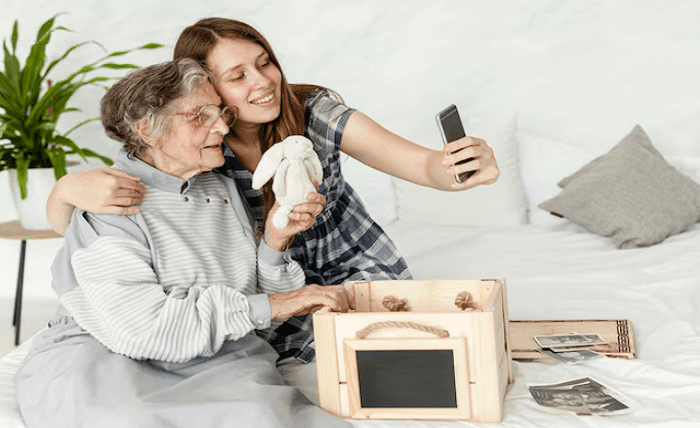

Caring for a loved one living with dementia can feel overwhelming at times. However, simple and effective changes in your home can help you create a safe, supportive, and comfortable environment for your loved ones. These changes improve the quality of life for your loved one and give you peace of mind knowing they’re well taken care of.
Take a look at the 7 practical changes you can make in your home to enhance your loved one’s living environment.
Table of Contents
1. Simplify the Environment
Create a clear and uncluttered space to help your loved one feel more comfortable and secure. Here are a few tips:
- Remove unnecessary items: Keep surfaces and floors clear to prevent accidents or confusion.
- Organize everything: Place items in designated spaces to reduce the stress of searching for things.
- Use labels: Label doors, cabinets, and drawers with easy-to-read signs or pictures to help your loved one identify rooms and items quickly.
- Limit furniture: Keep furniture to a minimum to provide more open space, making it easier to move around. Avoid heavy or bulky furniture that could block pathways.
2. Create a Consistent Routine
If your loved one is in a memory care facility in Medford or at home, create a structured daily schedule to make them feel more secure and calm. Here’s how you can create a routine that works for your loved one:
- Set regular times for meals: Try to serve breakfast, lunch, and dinner at the same time each day. This prevents confusion or frustration among the seniors.
- Create a set bedtime routine: Having a consistent bedtime routine improves sleep quality and makes bedtime less stressful.
- Stick to regular personal care schedules: Keep bathing, dressing, and grooming times consistent to avoid confusion.
- Use visual reminders: Place a written or picture schedule in a visible spot to remind your loved one of the day’s activities.
- Plan for familiar activities: Include activities such as listening to music, taking short walks, or engaging in a favorite hobby to make them feel positive the whole day.
3. Enhance Lighting in Your Home
Dementia affects vision in patients. So make sure that your home is well-lit. Here’s how you can enhance lighting in your home:
- Install brighter, softer lighting: Make sure every room, hallway, and staircase is well-lit.
- Use nightlights: Place nightlights in hallways, bathrooms, and bedrooms to help your loved one navigate the home safely during the night.
- Highlight key areas: Use brighter lights in areas like stairways, entryways, and bathrooms to help your loved ones see obstacles more clearly.
- Avoid glare: Use lamps with adjustable brightness to minimize glare, which can be disorienting for someone with dementia.
- Use natural light: Take advantage of natural daylight by opening curtains or blinds to help maintain the body’s internal clock and promote better sleep at night.
4. Make Bathrooms Safer
The bathroom is one of the most dangerous areas for someone living with dementia due to the risk of falls, confusion, and difficulty using certain features. Here’s how you can improve bathroom safety:
- Install grab bars: Place grab bars near the toilet, sink, and inside the shower or bathtub to prevent falls, especially if your loved one has trouble with balance.
- Non-slip rugs and mats: Use non-slip rugs or mats on the bathroom floor, particularly near the bathtub or shower, to prevent slipping, especially when the floor gets wet.
- Use a shower chair and handheld showerhead: Install a shower chair to allow your loved one to sit while bathing.
- Keep toiletries organized: Store toiletries in clear, easy-to-access containers or baskets so your loved one can easily find and identify them.
- Simplify the bathroom layout: Avoid excessive clutter, and make sure there’s enough space for easy movement.
5. Use Color Contrast for Better Visibility
Use high-contrast colors throughout the home to improve your loved one’s ability to see and recognize objects and spaces clearly.
- Contrast door frames and walls: Use dark-colored door frames against light-colored walls.
- Highlight stairs and edges: Consider using contrasting colors for the steps or the edges of the stairs.
- Label rooms or items with pictures: Use labels with high-contrast text or pictures to help your loved ones identify rooms and items.
6. Install Easy-to-Use Technology
Install the right tools to support your loved one’s daily routines, improve communication, and even provide entertainment. Here’s how you can use easy-to-use technology to create a more dementia-friendly home:
- Use clocks with large displays: Choose clocks that are easy to read from a distance and clearly label AM and PM.
- Simplify phones: Replace complex smartphones with large-button phones or picture phones, where your loved one can press a photo of a family member to call them.
- Try voice assistants: Use devices like Amazon Alexa or Google Home to set reminders, play music, control lights, and answer your loved one’s questions.
- Set up medication reminders: Use smart reminders or medication apps to send alerts when it’s time for medication.
- Use GPS tracking or safety watches: If wandering is a concern, use GPS-enabled watches or trackers to monitor your loved one’s location in real-time.
7. Secure the Home
If you’re considering a senior care facility in Medford and want to ensure long-term safety at home, implement security upgrades.
Note: The memory care communities offer dementia-friendly activities and a strong focus on the benefits and therapy for brain health in memory care, helping residents thrive emotionally and cognitively.
- Install locks and alarms: Add secure locks on doors and windows, as well as alarms or motion sensors that alert you if your loved one tries to leave at odd hours.
- Secure sharp or breakable objects: Lock away sharp utensils, scissors, glassware, or fragile items that could cause injury.
- Remove tripping hazards: Secure rugs with non-slip mats, tuck away cords and remove small furniture or clutter that could cause someone to trip.
- Install tracking or monitoring devices: Install tools like GPS bracelets, wearable trackers, or in-home monitoring systems to help you stay aware of your loved one’s location and safety without constantly hovering.
- Use automatic shut-off devices: Replace stoves, irons, or heaters with models that turn off automatically after a certain period. This reduces the risk of fire or burns in case your loved one forgets they’re on.
Conclusion
Creating a dementia-friendly home doesn’t have to be complicated or expensive now. Make practical changes in your home to improve the quality of life for your loved one. Whether your loved one is living at home or you’re considering facilities like memory care in Medford, Oregon, small adjustments can make a huge difference in day-to-day living. Moreover, if you’re exploring things to do in Medford, Oregon, consider safe outings like parks, local gardens, or community events that offer dementia-friendly environments.
Don’t hesitate to reach out to local memory care in Medford, Oregon. The community offers enjoyable, dementia-friendly activities.