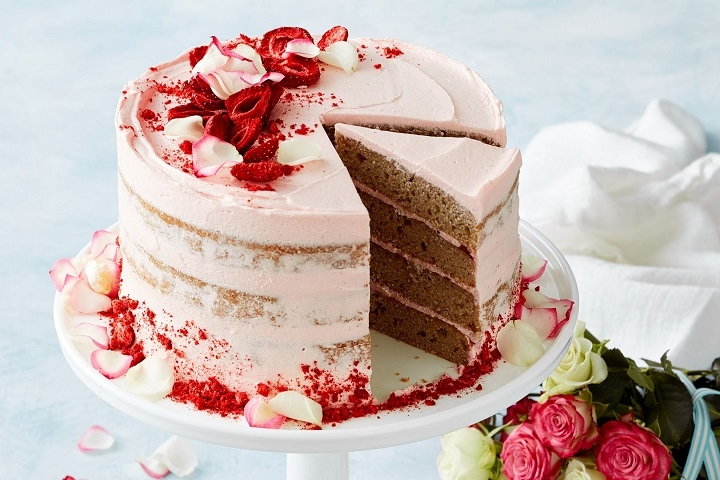

Usually, making a cake without gluten or dairy goes like this: trade regular flour, exchange butter with oil or plant-based spread, include sugar, then heat. Many guides present it as steps – take out triggers, insert alternatives, cross fingers the crumb stays firm. Yet perhaps the true issue isn’t swapping things after all. Maybe it’s how elements interact when they weren’t built to cooperate.
Stretch comes from gluten. Milk’s casein helps build crisp edges while trapping steam inside. Take out these two, then hidden communication webs in the mix go silent too. When flour meets water, strands start linking up. Fat from dairy wraps around them, slowing how far they stretch and shaping softness. Heat moves oddly when substitutes take over. Where real ingredients once reacted, starch grabs moisture in new patterns. Instead of blending smoothly, plant-based fats break down quicker under warmth. Xanthan gum holds but won’t bend – thickness without give. Rising falters, lumps form inside, outer parts crack apart. Outcomes shift without warning: heavy middles, fragile borders, lopsided lift. Change needs more than just substitutions. Shifting how each part works becomes necessary instead.
Table of Contents
Building the Flour Blend
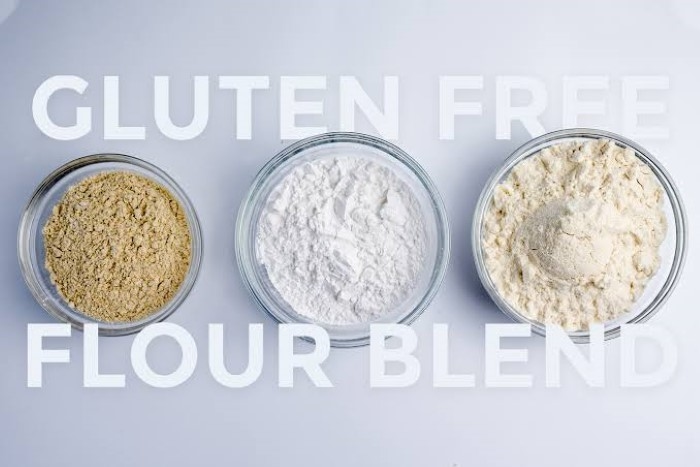
Begin by balancing your starches. A blend works better: try sixty percent superfine brown rice flour, twenty percent tapioca starch, and the rest potato starch. Unlike using just one type, this combination acts more like regular wheat flour. The brown rice gives structure, while chewiness comes from tapioca, moisture control from potato. Pass it through a sieve two times. It isn’t about adding air – there’s little of that – but stops lumps forming when particles differ in size.
Flour Blend Table
| Ingredient | Percentage |
| Superfine Brown Rice Flour | 60% |
| Tapioca Starch | 20% |
| Potato Starch | 20% |
Leavening and Structure
Exactly 1.5 teaspoons of aluminum-free double-acting baking powder works best per cup of dry ingredients. Starch-rich mixes dampen the acid-base reaction, so performance drops over time. Precision matters when leavening – timing and measure decide rise. Heavy batters gain lift with an extra quarter-teaspoon of cream of tartar. Water retention in proteins shifts with acidity; even those from peas or soy in non-dairy milk swell differently under pH changes.
Leavening Guide
| Ingredient | Amount |
| Double-Acting Baking Powder | 1.5 tsp per cup of dry ingredients |
| Cream of Tartar | 1/4 tsp |
Choosing the Right Liquid
Picking a liquid isn’t just about dodging allergies. What pours out of a coconut milk carton tends to work well – not due to fashion, but thanks to 2–4% fat levels that act like regular milk, while stabilizers such as gellan gum help trap air when stirred up. With oat or almond options, results can differ sharply – one might split if heated.
Give the container a good shake before you pour any amount. Aim for a temp near 21°C – a touch above chilly. When mixed with oil, cooler fluids resist splitting more than warm ones do.
Liquid Options
- Coconut milk
- Oat milk
- Almond milk
Oil, Eggs, and Binders
Start with oil choice – it shapes how soft the inside turns out. Avocado oil, once refined, stays calm in flavor while holding up against spoilage much longer than olive or raw coconut kinds. Because it carries more monounsaturated fat, it helps keep the cake stretchy after baking. For every regular eight-inch pan, pour in one-third of a cup.
Still on the list – if approved – eggs hold their place as top binders. A full egg with an extra yolk brings rise and depth together. Instead of eggs, stir a spoonful of milled flax into two and a half spoons of heated water, wait five minutes. That goo copies thickness yet misses how proteins set when baked, which means freshness slips sooner.
Start with less booze when cutting sugar – vanilla extract leans too hard on alcohol. That spirit speeds up stale vibes in delicate, low-gluten bakes. Try swapping in vanilla bean paste. Glycerin lives inside it, holding moisture like a quiet promise.
Binder Guide
| Ingredient | Amount |
| Avocado Oil | 1/3 cup |
| Egg | 1 |
| Extra Yolk | 1 |
| Ground Flaxseed | 1 tbsp |
| Warm Water | 2.5 tbsp |
Mixing the Batter
Most people think proportions matter most, yet how you mix changes everything. Liquid oils might seem fine for creaming with sugar – only they fail at holding bubbles like solid fats can. Start by stirring liquids into a smooth base before touching anything else. Once the whisk has done its job briefly, bring in powders gently using a flat tool. Finish just as streaks disappear. Too much blending shifts starch around too far, creating weak paths where steam escapes during baking.
Baking the Cake
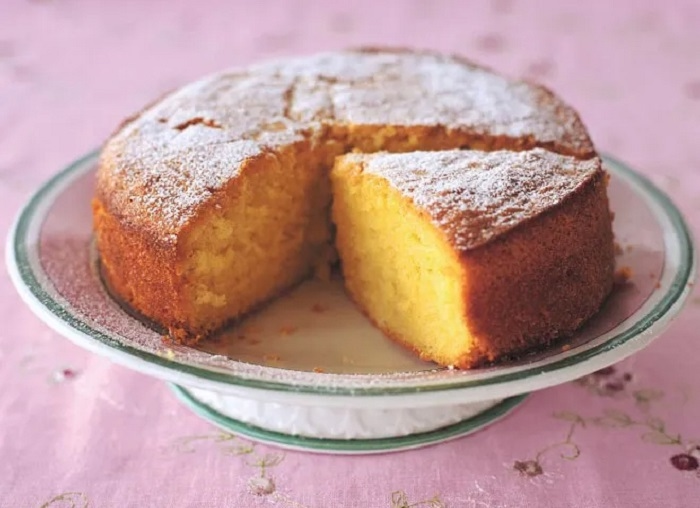
Heat response shifts with pan color. A light aluminum surface bounces back warmth, which delays crust formation – useful because flour without wheat sugars browns quicker. On the opposite end, dark coated pans can leave charred edges despite proper oven settings.
Baking Guide
| Item | Recommendation |
| Pan Type | Light Aluminum |
| Oven Temperature | 175°C |
| Rack Position | Center |
| First Check | 30 Minutes |
| Additional Check | Every 5 Minutes |
Bake at 175°C with rack centered. Wait a full half hour before peeking, since steady heat builds inner lift when gluten’s missing. Steam pushes starch outward – disturb it early, the rise stalls. Oven calm matters most right after batter drops. Thirty-five minutes in, try the bamboo stick trick. Comes out tidy? That means maybe finished – still, yank a small square piece from close to the middle. Bounces just a bit when poked? Then move on. Clings instead of releasing? Slide it back for another few rounds, five each time.
Cooling the Cake
Cooling method shapes how solid it ends up. Wait a quarter hour before removing from mold – gives time to firm, stops wetness pooling underneath. Lift out gently, place on grid. Cracks across the surface? Normal reaction. Those splits happen when moisture escapes fast, especially if there’s no stretchy network inside.
Dairy-Free Glaze
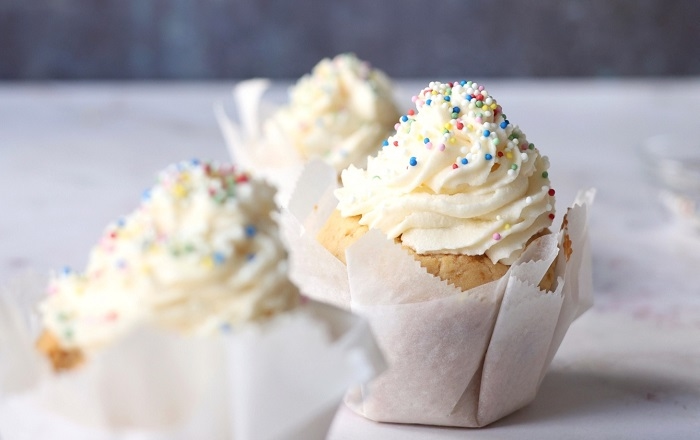
Switch things up for frosting. Dairy-free butter alternatives often carry too much water, making firm icing tricky.
Glaze Ingredients
| Ingredient | Amount |
| Refined Coconut Oil | 1/4 cup |
| Powdered Erythritol Sweetener | 1 cup |
| Salt | 1/8 tsp |
| Vanilla Bean Paste | 1 tsp |
| Warm Oat Beverage | 1 tbsp |
Begin by warming 1/4 cup of refined coconut oil just enough to liquefy. Mix in 1 cup of sifted powdered sweetener – pick one based on erythritol. Add 1/8 teaspoon of salt without skipping it. Fold in 1 teaspoon of vanilla paste next. Then pour in 1 tablespoon of slightly heated oat beverage slowly. Blend everything until even and lump free. Spread only after the cake reaches full coolness – make sure it’s under 22°C – or the mix might soak through.
Storage and Texture Changes
Surprisingly soft, this cake doesn’t mimic old-style sponge. Not possible. New materials change how it feels in your mouth. You’ll appreciate it once you see it follows fresh principles – never mere restrictions. Firmness shifts a lot during storage – way more than regular cakes show. When chilled, starch chains regroup into crystals, making the inside stiff. Wrapped tight, it stays soft on the counter for two days tops.
Kitchen Cleanup and Cross-Contact
Hot soapy water works best when cleaning kitchen tools. Around the house, mix-ups happen easily on countertops or with shared utensils. Tiny bits of food stick to sifters, even after a quick rinse. Whisks trap particles between wires, often missed during cleanup. Temperature matters – a wash below 60°C may leave proteins behind.
Baking without allergens doesn’t mean copying old recipes. One change at a time, it becomes something new instead. Each tweak shifts the chemistry just enough.