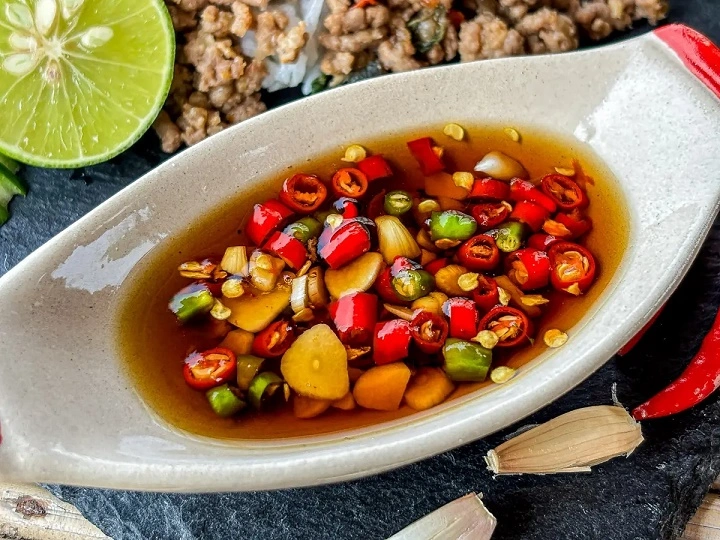

Prik nam pla is one of those condiments that, without fanfare, changes up an entire meal. Simple-looking but big on flavor, it’s the kind of Thai table staple you could eat with nearly anything, though in Thailand people most often tend to pair it with a meal rather than cook it into one. Simply a spoonful can add heat, saltiness, acidity and freshness to rice, noodles, grilled meats or seafood.
prik nam pla is at its core a balanced, blended combination of fish sauce, chilies and citrus. With only a handful of ingredients, it is the purest distillation of what makes Thai food so good – that balance between salty, spicy, sour and fragrant elements. Once you have it, you can hardly imagine eating Thai food without it.
Table of Contents
Why Prik Nam Pla Is So Important
Unlike the many sauces that are kept front and center in a meal, prik nam pla muges in the background and makes everything else with it taste better. It gives diners the power to tune flavors to their liking, introducing brightness and heat exactly where they want it.
What makes it well-loved is its flexibility. Prik nam pla can be served as a dipping sauce, drizzled over or used as a table condiment. It’s lovely with steamed rice, fried eggs, grilled chicken, seafood or noodle dishes, and if you add a dash to even the most basic meal you have something joyful.
Understanding Prik Nam Pla
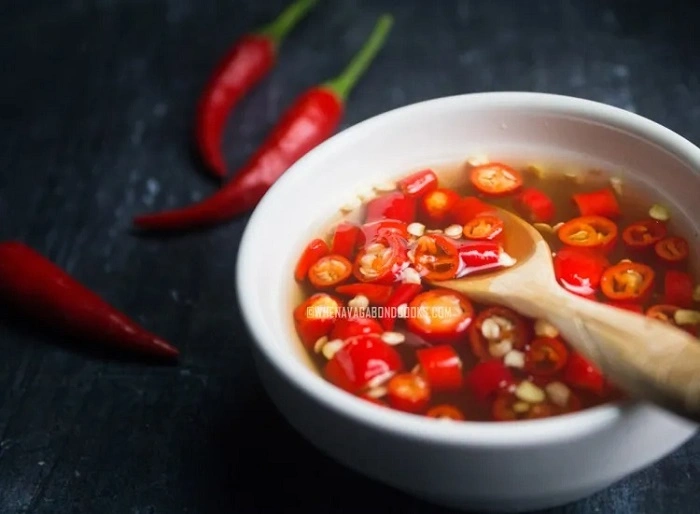
The name is sufficiently self-explanatory: “prik” for chili, and “nam pla” for fish sauce. Combined, they are a gutsy condiment that depends on good ingredients rather than complexity.
Though the basic recipe remains the same, there are a few regional versions, household specifications and the dish with which it is served. Some give it a dash of garlic, sugar or shallots; others keep it exceptionally minimalist. The answer is balance — no one flavor should overpower the rest.
Essential Ingredients
For classic prik nam pla, you’ll need:
- Fish sauce – This is the salty, umami component.
- Thai bird’s eye chillies – For some heat and sharpness
- Lime juice – For acidity and to bring out the flavors
- Garlic – This is Optional, just to increase the aromatic depth
- Sugar – If adding salt and heat, sugar helps in balancing them out.
- Shallots – If available, to give it a sweet contrast and some texture.
The quality of fresh ingredients: Quality does make a difference in the final flavor.
Essential Tools
You’ll need the following tools:
- Mixing bowl (little small one) -For mixing ingredients together
- Knife – To chop the chillies and garlic
- Cutting board – For prep work
- Spoon – For mixing and trying it out
- lemon squeezer – Optional, if you have fresh lime juice
And that’s all you need for this classic Thai condiment.
Preparing the Chilies
Begin by thinly slicing the Thai chilies. You can vary the amount to taste based on how hot you like things, but in general, prik nam pla should pack a punch.
For a cleaner heat, discard some of the seeds. You can also put them in uncut for maximum intensity. Cutting the chili into thin slices helps to steep its heat in the fish sauce more evenly and quickly.
Building the Base
Combine the fish sauce in a small bowl. This is the bedrock of prik nam pla, so quality counts. A good fish sauce ought to reek, pungently (yet not offensively), of the clean sea, and it must have a savor as if drawn from the very devil rather than one of those foul putrescents.
Place the sliced chilies right into the fish sauce to let them start releasing their oils and heat as soon as they’re cut open.
Adding Citrus and Aromatics
Add a good squeeze of fresh lime juice to the bowl. The lime provides brightness and counterbalances the salinity of the fish sauce. Stir gently to combine.
If you are adding garlic or shallots, do so now. These components add a gentle sweetness and fragrance to balance out the sharpness in the sauce.
Balancing the Flavors
Taste a bit of the sauce and balance it until you are happy with the taste. If it’s too salty, use a little more lime juice. A pinch of sugar can temper the edge if the taste is too sharp.
The objective is balance — not sweetness, not overwhelming heat; rather a bright blend in which each element showcases the other. Prik nam pla should be bold, fresh and addictively delicious.
Resting the Sauce
Although prik nam pla may be used immediately, the flavors are better if it sits for a few minutes. The chilies wilt a bit, and the sauce thickens up.
It can sit longer for more flavor, although it’s best served fresh, so you get the full punchy, bright character.
How to Serve Prik Nam Pla
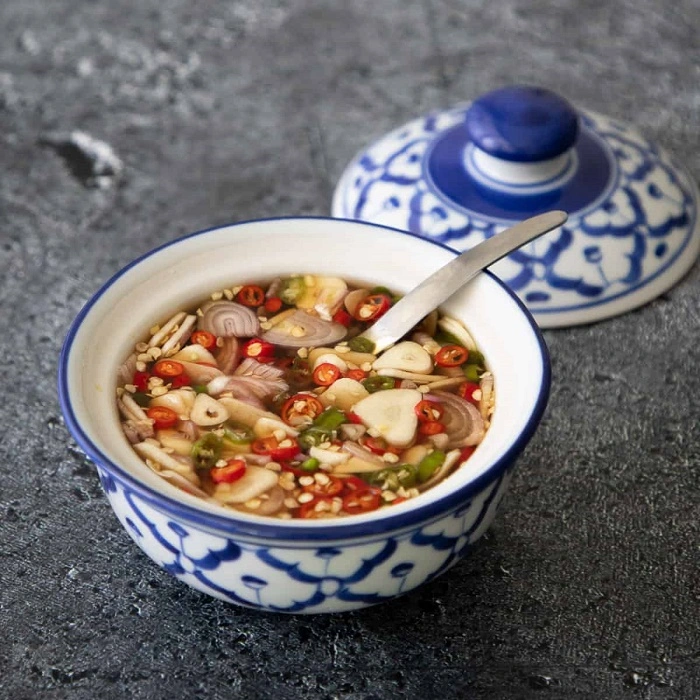
Prik nam pla is usually spooned at the table into little bowls. Diners sprinkle it on, to taste, instead of having it already mixed in.
It’s particularly common in jasmine rice, fried eggs, grilled meats and fish, noodle dishes and stir-fries. Even a drizzle over plain vegetables can make them come alive.
Also Read: Asian Sesame Dressing Recipe
Pairing Ideas
Rich, subtle-flavored foods that need some contrast are beautiful with this condiment. Richer meats, plain rice dishes and lightly spiced foods all benefit from a little prik nam pla.
It’s also great with fried food, the lemony acidity slicing through oiliness and refreshing the palate.
Storage and Shelf Life
Prik nam pla is tastiest freshly made, but it can be kept in the refrigerator for up to two days. Store in an airtight container to keep the aroma and no odor transfer.
The lime juice can sometimes lose a bit of its punch over time, so feel free to liven it up with some fresh citrus in the end.
Variations to Try
Some adaptations of prik nam pla call for grated ginger, after which the “dip” becomes more warming; others also feature chopped cilantro to brighten things up. Yet, I’ve seen others include vinegar instead of lime for a greater acid attack.
You can also change up the chili (just use something less hot if you are sensitive to heat) or mess with it to create unique flavor profiles.
Common Mistakes to Avoid
If one uses a cheap fish sauce the taste is sometimes bitter or strong. Without lime juice the flavor is dull. Too much sugar throws off that balance.
By keeping proportions in check and tasting as you go, a well-rounded sauce is within reach every time.
Frequently Asked Questions
Is prik nam pla very spicy?
Mainly, yes – but you can control the level of spice.
Can I use bottled lime juice?
I highly recommend using fresh lime juice for best flavor.
Is it gluten-free?
Most fish sauces are gluten-free but read labels.
Can I make it ahead of time?
It’s ideally made fresh, but you also can prepare it a few hours ahead.
What dishes is it best with?
Rice, noodles, seafood, grilled meats and eggs.
Prik nam pla is evidence that a bold taste doesn’t have to be complicated. With only a handful of ingredients and very little work, this Thai condiment brightens, heats and deepens nearly everything it touches.
Once you bring prik nam pla to the table, it becomes a mainstay — a necessary flourish for any meal that infuses even the most routine dishes with authenticity and pizzazz. The Most Basic, The Wildest Memories-This is TOM YAM in each spoonful.