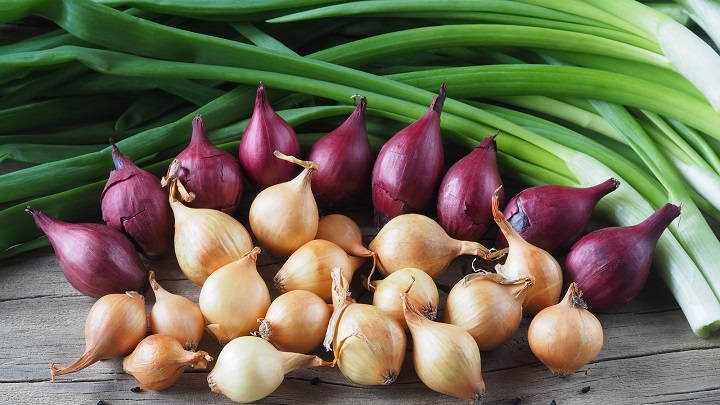

Ever stood in the produce aisle, wondering if you can swap shallots for green onions—or vice versa? You’re not alone. These two alliums often show up in similar dishes, but they’re quite different in flavor, texture, and use.
Understanding the difference between shallots vs green onions can make a big impact on your cooking—especially when you want the flavor to be just right.
Let’s break it all down so you can confidently use the right one for every recipe.
Table of Contents
What Are Shallots?
Shallots are small, bulb-shaped members of the allium family—closely related to onions and garlic. When peeled, a shallot separates into cloves (like garlic) and has a mild, slightly sweet flavor with a hint of garlic sharpness.
Common uses for shallots:
- French sauces (like béarnaise)
- Vinaigrettes and dressings
- Stir-fries and sautés
- Roasted vegetables
- Slow-cooked stews
They caramelize beautifully and are a favorite in fine cooking due to their delicate and complex flavor.
What Are Green Onions?
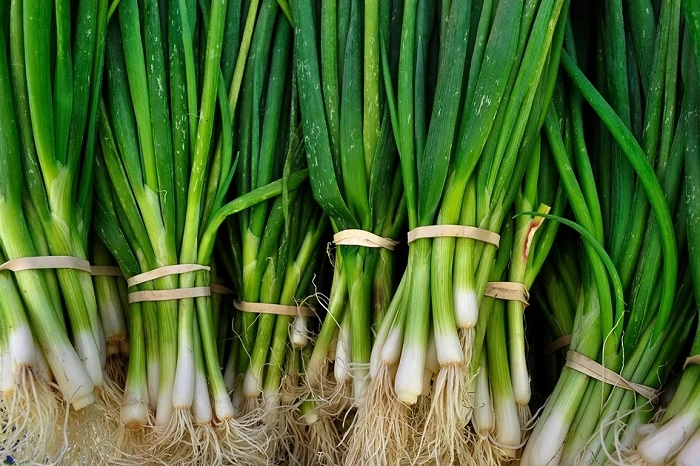
Green onions, also known as scallions, have a long green stalk and a small white bulb. Unlike shallots, they don’t form a full bulb and have a crisp, fresh, and mild onion flavor.
Common uses for green onions:
- Garnishes for soups, noodles, or eggs
- Mixed into potato salad or slaws
- Stir-fried or grilled whole
- Blended into dips and spreads
- Tucked into spring rolls or wraps
They’re often used raw or lightly cooked and add brightness without the strong bite of a full onion.
Shallots vs Green Onions: Side-by-Side Comparison
| Feature | Shallots | Green Onions (Scallions) |
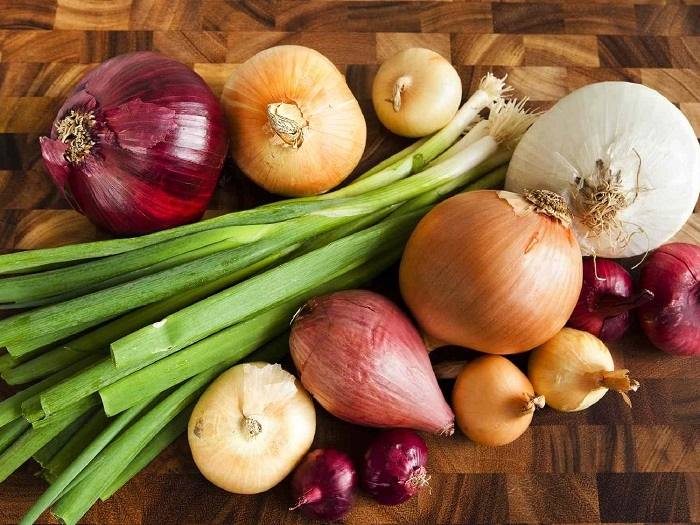
| Appearance | Small, bulb-shaped, purplish-brown | Long green stalk with white bulb |
| Flavor | Mild, sweet, slightly garlicky | Mild, fresh, grassy, onion-like |
| Texture | Firm when raw, soft when cooked | Crisp green tops, tender white ends |
| Best Used For | Sautéing, roasting, dressings | Garnishes, stir-fries, raw dishes |
| Used Raw? | Yes, in small amounts | Yes, often used raw |
| Substitute For | Yellow/red onion, garlic | Chives, shallots, leeks |
Flavor Difference
- Shallots have a sweet, complex flavor that gets even better when caramelized or roasted. They’re less pungent than regular onions.
- Green onions have a fresh bite and subtle sharpness, but the flavor is milder overall—especially in the green tops.
If a recipe calls for raw shallots and you use raw green onions, the result may taste brighter and more herbal than intended. But in cooked recipes, you can get away with swapping depending on the flavor intensity needed.
Can You Substitute Shallots for Green Onions?
Yes—but only in certain cases.
- Cooked dishes: You can often swap chopped green onions for shallots if the dish is forgiving (like stir-fries, omelets, or grain bowls).
- Raw recipes: Green onions work better raw. Shallots, though edible raw, have more intensity and can overwhelm salads or garnishes.
- Flavor depth: If a recipe needs the sweetness and depth of shallots (especially roasted or caramelized), green onions may fall flat.
Quick substitution guide:
- 1 medium shallot ≈ 2–3 green onions (white part only)
- Add a pinch of garlic powder to mimic shallot complexity when substituting
When to Use Each (By Dish Type)
| Dish Type | Best Choice | Why |
| Salad dressing or vinaigrette | Shallots | Subtle sweetness, blends well when minced |
| Stir-fry or fried rice | Green onions | Quick-cooking, adds crunch and color |
| Roasted meat or veggies | Shallots | Caramelizes beautifully |
| Noodle or ramen topping | Green onions | Bright and mild flavor |
| Soup base or sauce | Shallots | Rich and aromatic base |
| Baked potato topping | Green onions | Adds freshness and color |
Storage and Shelf Life
- Shallots: Store in a cool, dark, dry place. They can last up to 1 month.
- Green onions: Store in the fridge, wrapped in a damp paper towel inside a plastic bag. They’ll last about 5–7 days.
Want them to last longer? Green onions can be regrown in water by placing the roots in a glass near sunlight!
FAQs About Shallots and Green Onions
Can I use green onions instead of shallots in a soup?
Yes, but the flavor will be milder. Use the white part of the green onion, and consider sautéing with a bit of garlic to mimic the shallot’s depth.
Which is stronger in flavor?
Shallots have a stronger, richer flavor than green onions, especially when cooked.
Are scallions and green onions the same thing?
Yes! Scallions and green onions are two names for the same plant.
Can I eat the green part of green onions?
Absolutely! The green tops are edible and great for garnishing or stirring into dishes for color and a light onion flavor.
What’s a good substitute if I’m out of both?
Try leeks, chives, or red onions depending on the dish. Minced red onion + garlic = closest to shallot flavor.
So, shallots vs green onions—which one should you use? It all depends on the dish. If you need a soft, sweet depth for cooking or sauces, go with shallots. If you want a fresh, crisp bite to finish your dish or brighten a salad, green onions are your best bet.
Both are kitchen MVPs in their own way—knowing how to use them (and when to swap) can level up your cooking skills fast.