
Basil is a staple herb known for its fresh, aromatic flavor, commonly used in dishes like pesto, Italian cuisine, and salads. However, whether you’re out of basil or looking for a different taste to experiment with, there are many substitutes you can use to recreate that rich, savory flavor. In this article, we’ll explore the best substitutes for basil and how you can use them in your cooking.
Table of Contents
Why Would You Need a Substitute for Basil?
Basil is often the star herb in many dishes, but there are several reasons you may need a substitute. These include:
- Out of Basil: Sometimes, you may not have fresh basil on hand, or your basil plant has run out.
- Dietary Restrictions: Some individuals may have allergies or sensitivities to basil.
- Flavor Preferences: You might want a slightly different taste profile for your dish without using basil.
Let’s explore some flavorful and accessible substitutes for basil.
Best Substitutes for Basil
Oregano: The Classic Italian Alternative
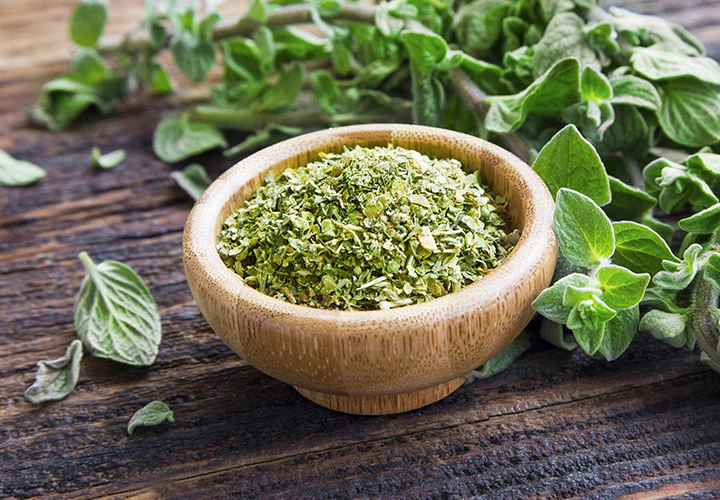
Oregano is one of the closest substitutes for basil. It is a popular herb in Mediterranean and Italian cuisine and has a similar strong, earthy flavor, though it is a bit more robust and slightly bitter.
How to Use:
- Use it in pizza sauces, pasta dishes, and salads.
- Oregano pairs well with tomatoes, so it’s great in marinara sauce or Italian-style dishes.
Thyme: A Versatile Herb with Subtle Sweetness
Thyme offers a mild, sweet flavor that can work as a substitute for basil, especially when you’re making a savory dish.
How to Use:
- Thyme can be added to soups, stews, and roasted meats for an herbal flavor that complements basil.
- It’s excellent in Mediterranean and French recipes, where basil might typically be used.
Mint: A Refreshing Basil Substitute
While mint might seem like an unusual option, it has a refreshing, aromatic quality that can stand in for basil, especially in Mediterranean dishes like tabbouleh or Greek salads.
How to Use:
- Mint is perfect for sauces and salads where basil is often used.
- It’s also a good choice in sweet dishes, like fruit salads or ice creams.
Parsley: Mild and Green, Ideal for Basil-Free Dishes
Parsley is a common herb that is mild yet flavorful. It doesn’t have the strong aromatic taste of basil but still provides a fresh, green flavor that can help balance dishes.
How to Use:
- Parsley works great in pasta sauces, soups, and as a garnish.
- It’s also used in Middle Eastern dishes like falafel and tabbouleh.
Arugula: A Peppery, Leafy Alternative
Arugula has a peppery, slightly bitter flavor that adds depth and complexity to dishes. While it’s not as sweet as basil, it can provide a fresh herbal note that works well as a substitute.
How to Use:
- Use arugula in salads, pesto, and sandwiches as a substitute for basil.
- It pairs wonderfully with tomatoes and cheeses, similar to basil.
Tarragon: A Subtle, Licorice-Like Flavor
Tarragon has a unique, licorice-like flavor that can bring a sophisticated twist to your dish. While it’s not an exact match for basil, it’s still a good substitute in many recipes that call for fresh herbs.
How to Use:
- Tarragon works well in chicken and seafood dishes.
- It also adds a great flavor to sauces, especially mustard or cream-based sauces.
Lemon Balm: A Citrusy Herbal Option
Lemon balm is another great option that combines citrus and herbal flavors. While its taste is distinct, it can still provide a fresh, vibrant note that mimics basil in some dishes.
How to Use:
- Add lemon balm to salads, teas, and desserts for a light citrus twist.
- It works well in herbal sauces and can be a great addition to any Mediterranean-style recipe.
Cilantro: For a Different Yet Fresh Flavor
Cilantro, while not similar in taste to basil, has a fresh, grassy flavor that can replace basil in some dishes, especially if you enjoy the citrusy and earthy notes it brings.
How to Use:
- Use cilantro in Mexican and Indian dishes like tacos, salsas, and curries.
- It’s excellent in fresh salsas or as a garnish for soups and salads.
Sage: Earthy and Slightly Sweet
Sage has a very different flavor profile than basil, offering an earthy, slightly peppery taste with hints of pine. It can be used in savory dishes where basil is commonly found.
How to Use:
- Sage is fantastic in roasted vegetables, meats, and in stuffing.
- It’s also used in Italian-inspired sauces and can be a suitable alternative when combined with other herbs.
Bay Leaves: A Subtle Option for Stews and Soups
Bay leaves provide a deep, aromatic flavor but are not as potent as basil. They are often used in long-simmering dishes, where they release their flavors gradually.
How to Use:
- Add bay leaves to stews, soups, and braises.
- Remember to remove bay leaves before serving, as they’re not meant to be eaten whole.
How to Choose the Best Substitute for Basil
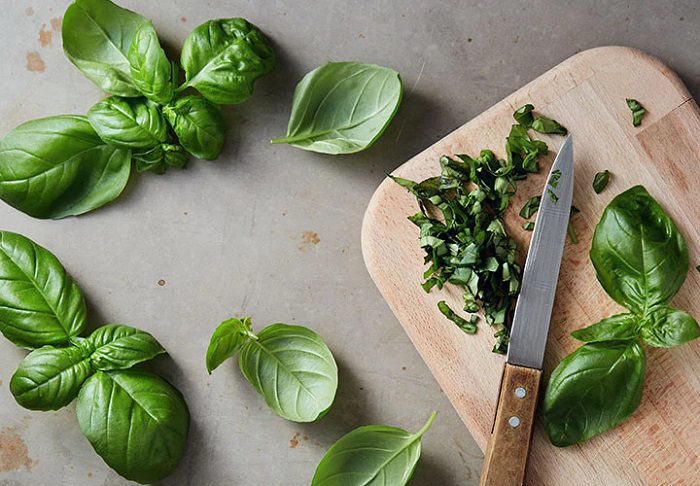
Choosing the right substitute for basil depends on the dish you are preparing and the flavor profile you want to achieve. Here are some tips for selecting the best basil substitute:
- For Italian Dishes: Oregano, thyme, or parsley can replace basil in pasta, pizza, and tomato-based sauces.
- For Fresh Herbs in Salads: Mint, arugula, or parsley work well as substitutes for basil in cold dishes like salads.
- For Pesto: If you’re making pesto, arugula, parsley, or even mint can make excellent substitutes for basil.
- For Mediterranean and Middle Eastern Dishes: Cilantro, parsley, or mint are great basil alternatives in Mediterranean salads, tabbouleh, and hummus.
How to Store Substitutes for Basil
Storing your substitutes correctly ensures they maintain their flavor and freshness. Here’s a quick guide for storing these herbs:
- Fresh Herbs: Store fresh herbs like mint, parsley, and cilantro in the refrigerator in a damp paper towel or herb keeper.
- Dried Herbs: Dried herbs such as oregano and thyme should be kept in airtight containers in a cool, dark place away from heat and light.
- Frozen Herbs: Some herbs, like basil, can be frozen for later use. Simply chop and place in an ice cube tray with olive oil or water, then freeze for up to 6 months.
Frequently Asked Questions (FAQs)
Can I use dried basil instead of fresh basil?
Yes, dried basil can be used as a substitute for fresh basil, but keep in mind that the flavor will be more concentrated. Use 1/3 of the amount of dried basil compared to fresh basil.
Is oregano a good substitute for basil in pesto?
Oregano can replace basil in pesto, but the flavor will be different. Oregano has a more robust and slightly bitter taste, so it might alter the traditional flavor of the pesto.
Can I use thyme instead of basil in tomato sauces?
Yes, thyme is an excellent substitute for basil in tomato sauces. It adds a slightly earthy flavor, which complements tomatoes well.
Can I substitute mint for basil in salads?
Mint can be a great substitute for basil in salads, especially if you want to add a refreshing, citrusy flavor.
What’s the best substitute for basil in pasta dishes?
Oregano or thyme are both fantastic substitutes for basil in pasta dishes. They complement tomato sauces and Italian flavors well.