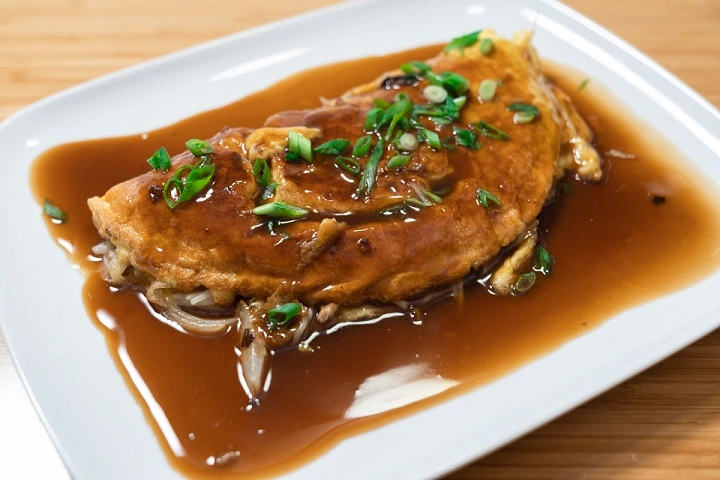

It’s the kind of comforting dish you can’t erase from your memory — classic Chinese takeout. The egg patties themselves are heavy and filling, but the real star of the plate is the gravy. Smooth, savory and rich with flavor, egg foo young gravy adds it all up, turning a humble egg dish into something cozy and irresistible.
Egg foo young sauce isn’t as thick and heavy as it’s western-style counterpart, but oh-so umami-licious! It squelches around, getting into all the nooks between the egg patties, and down into the rice below — there’s that same restaurant-y feel. Master this homemade gravy and not only will your dish be lifted, but you will also have total control over flavour, saltiness and consistency.
Table of Contents
What Is Egg Foo Young Gravy
Egg foo young gravy is a light brown sauce, normally served over an Chinese egg omelet. The broth, soy sauce, aromatics and a cornstarch slurry are thrown together to make it silky.
There’s no intention with this gravy to overpower the eggs. Instead, it adds to them with mild saltiness and complexity. It’s the balance between soy sauce and broth that lends the gravy its signature flavor.
What Difference Does Homemade Gravy Have?
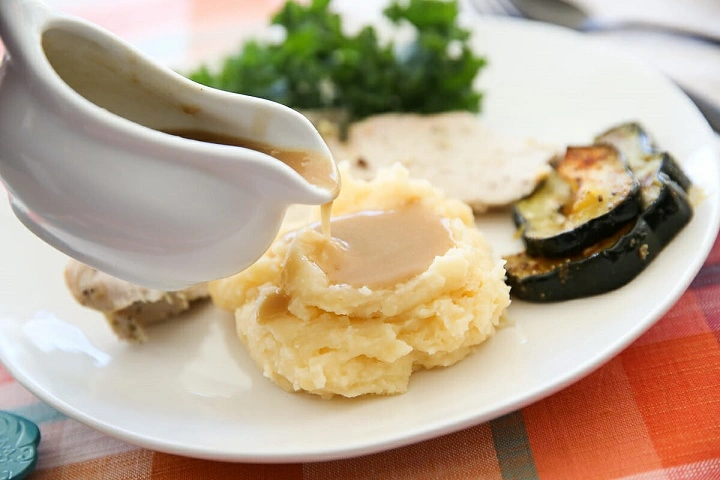
Whipping up that egg foo young gravy at home enables you to steer clear of the too salty or far from natural tastes that are often found in takeout varieties. Gravy made from scratch tastes fresher, is lighter and can be adjusted to your preference.
It can be richer, lighter, darker or even a bit sweet if that’s what you prefer. Once you taste it homemade, going back to bottled sauces can be tough.
The Best Key Ingredients of Egg Foo Young Gravy
Gravy for egg foo young is a beautiful thing in its simplicity. A few pantry staples combine forces to make something deeply satisfying.
The main ingredients are broth and soy sauce, with aromatics such as garlic and ginger, and a starch for thickening. Some iterations add oyster sauce or sesame oil for additional depth, but the base is simple and versatile.
Choosing the Right Broth
And then use a good broth for the base of the gravy. Chicken broth is a natural option that gives you a savory, but not aggressive, base that can very easily pair with eggs.
Vegetable broth would do just as fine for a lighter or vegetarian version. (Success lies in a good-quality broth because you can taste that through the ultimate sauce.)
The Role of Soy Sauce
Soy sauce adds salt and color, plus a touch of umami. They’re made with light soy sauce, which is customary because it imparts flavor without stealing the spotlight from the gravy.
You can add a drizzle of dark soy sauce if you like, for a deeper color, but too much will make the gravy taste bitter or overwhelmingly intense.
Aromatics That Build Flavor
Garlic and ginger are frequently incorporated into egg foo young gravy for a hint of warmth. They should not take over the sauce; they should just quietly sit in the background, contributing some depth.
Usually these aromatics are briefly sautéed until they give off the aroma and then liquids are added.
Thickening the Gravy Properly
You will see that cornstarch is a key ingredient for the silky smooth texture in egg foo young gravy. By mixing cornstarch with cold water before stirring it into the sauce, lumps are avoided.
The gravy starts to thicken the moment it’s warmed up, so you need to pour in that slurry slowly while stirring all the time.
Step-by-Step Cooking Process
It starts out as just some aromatics sautéed in oil until they’re aromatic. Then you add beef stock and soy sauce, and gently simmer.
As soon as the base is hot enough, cornstarch slurry is stirred into it. The sauce reduces in just a few minutes to become a lustrous, smooth gravy that clings to the back of a spoon.
Adjusting Flavor and Consistency
Taste is key. If the gravy seems overly salty, a splash of broth or water will fix it. If it’s too thin, you may want to add a bit more cornstarch slurry.
It will be the consistency of roux but not as thin or watery. Gravy should be free running over the egg fu young patties without being too runny.
Optional Add-Ins for Extra Depth
Some home cooks also like to add a little oyster sauce for richness or perhaps a drop of sesame oil for fragrance. White pepper offers mild heat that won’t overpower the rest of the dish.
These are optional and should be used sparingly, to maintain the classic taste of aioli.
First up was to pair Gravy with Egg Foo Young.
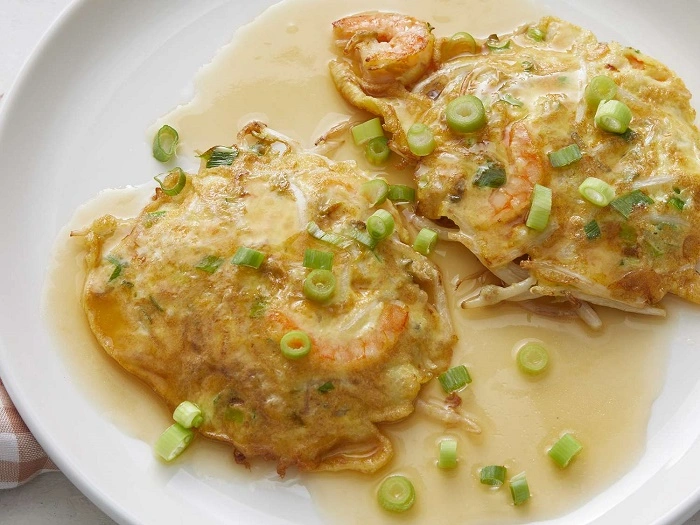
Egg foo young sauce is meant to be poured liberally over crispy egg patties studded with vegetables and some kind of protein. It’s also great with steamed rice, which absorbs it deep into the grain.
That textural contrast, between the supple gravy and the runny edges of the egg, provides much of this dish’s satisfaction.
Also Read: Chocolate Quinoa Crisps Recipe
Making Gravy Ahead of Time
Egg foo young gravy can be made in advance and gently reheated. It might thicken more as it cools, but a little splash of broth while reheating will get you back to the original consistency.
By keeping the gravy separate, it will stay fresh and smooth.
Storage and Shelf Life
Gravy can be stored in the refrigerator, in an airtight container, for up to 3 days. Reheat gently with stirring to avoid curdling.
Keep refrigerated, but do not freeze as the cornstarch thickening could break down and alter consistency.
Common Mistakes to Avoid
Boil the gravy too long and it will turn gluey. Cornstarch added directly to hot liquid without first being mixed with a little cold water will clump.
Another frequent mistake is overdoing the soy sauce, which can make the gravy too salty.
Frequently Asked Questions
Can you make egg foo young gravy vegetarian?
Yes, just use vegetable broth and omit oyster sauce.
Why is my gravy too thick?
It’s probably too thick with cornstarch; thin it with broth or water.
Should I substitute flour for the cornstarch?
In the interests of a smooth feel, I like to use cornstarch.
Is this gravy gluten-free?
Make it gluten-free by using gluten-free soy sauce.
Can I double the recipe?
Yes, as long as the proportion of ingredients remains the same and you cook it gently.
It’s evidence that simple ingredients can impart deep, comforting flavor when employed wisely. It’s silky and satiny and über-versatile, transforming even a humble egg dish into something that belongs in a high-end restaurant.
When you get the hang of this gravy, you’re going to want to use it for more than egg foo young — drizzled over rice or vegetables, or even spooned into a stir-fry. It is one of those foundational recipes that makes it into a permanent spot in your kitchen.