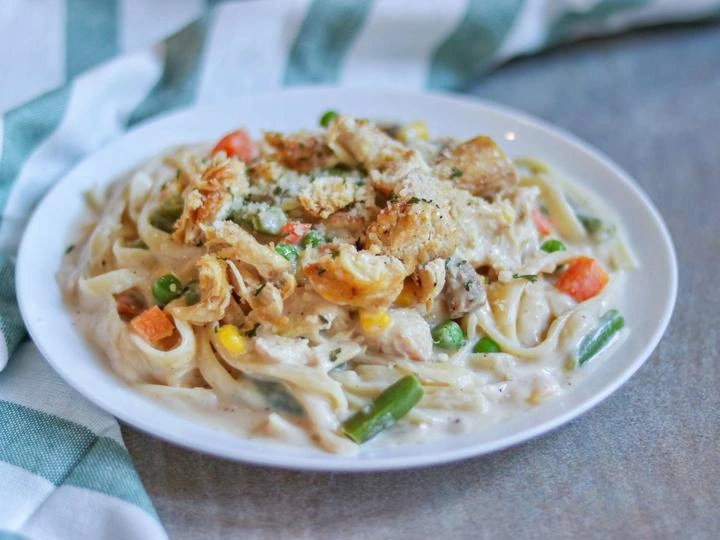

Most people expect a lot from pasta dishes – especially when they’re loaded with cream, cheese, or rich flavors. Chicken Alfredo fits that picture easily. Still, plenty of versions go overboard with heavy cream and strong Parmesan, ending up flat rather than bright. The weight drags down what should feel satisfying, not dull.
Swapping in cream cheese shifts things quietly – but enough to matter. Not only does it add depth, yet changes how everything feels in your mouth while helping ingredients stick together better when warmed again. Rather than transforming the meal beyond recognition, it keeps its soul intact – just steadier from first bite to last.
Table of Contents
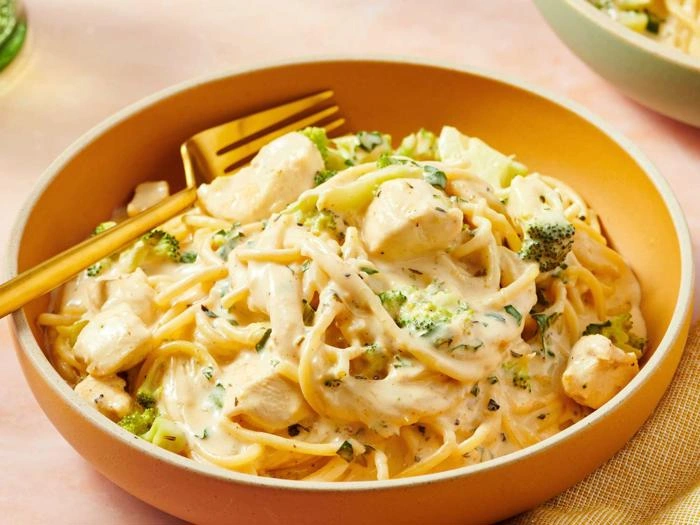
Chicken Alfredo Recipe Overview
| Detail | Amount |
| Main Protein | Boneless Chicken Thighs |
| Pasta | Fettuccine |
| Cream Cheese | Cubed and softened |
| Milk | ½ cup full-fat |
| Parmesan Cheese | ⅓ cup finely grated |
| Pasta Water | ¼–1 cup reserved |
| Cooking Time | About 30 minutes |
Why Use Cream Cheese in Alfredo Sauce?
Most Alfredo sauces rely heavily on cream and Parmesan. While rich, they often separate when reheated.
Cream cheese changes that.
It adds:
- A smoother texture
- Better reheating stability
- Extra richness
- Improved sauce consistency
Cream cheese plays its role without drawing attention. Other ingredients do too. Each has a purpose depending on the moment.
Choosing the Right Chicken
Pick your meat first. Chicken thighs taste better than breasts and hold up well during cooking. Go boneless and skip the skin.
Slice pieces about an inch across and keep them uniform.
Chicken Preparation
| Step | Details |
| Cut Size | About 1 inch |
| Seasoning | Salt and garlic powder |
| Cooking Surface | Nonstick skillet |
| Cooking Time | About 4 minutes per side |
Early is when salt gets added. A small bit of garlic powder joins it. Warming happens first in a nonstick pan set to medium. Food refuses to stick because of that step, leaving oil out of the picture.
Start by searing the chicken on one side until golden. Flip it over, then let the second side turn rich brown too. Crisp edges matter – don’t rush that part. Inside should be fully cooked through. When finished, move the meat off the pan and set it close by. Leave the skillet just as it is. Cleaning can wait.
Later on, those darkened scraps mix into the sauce. Bits left behind join the liquid when it thickens.
The Importance of Pasta
Most people don’t think twice about noodles shaping a meal so deeply. Fettuccine once ruled the table – yet if handled without attention, its smooth surface slips right past thick sauces.
Take it off the stove just before it’s done. Wait roughly one minute less than the box says.
Pasta Quick Guide
| Tip | Why It Matters |
| Cook slightly under | Finishes in the sauce |
| Save pasta water | Helps bind sauce |
| Do not overcook | Prevents mushy texture |
| Keep warm | Helps absorb sauce |
Making Cream Cheese Alfredo Sauce
From the fridge slides the cream cheese, cut into cubes, left on the counter to warm slightly. That same pan – just done cooking chicken – heats it again, ready to take the soft blocks in one by one.
Let the pan cool slightly first. Milk follows.
Sauce Ingredients
| Ingredient | Amount |
| Cream Cheese | Cubed |
| Full-Fat Milk | ½ cup |
| Parmesan Cheese | ⅓ cup |
| Pasta Water | ¼ cup to start |
Movement is gentle here. Stir slowly over low heat. It will not blend immediately. Clumps appear first. That is normal.
After about two minutes, everything starts smoothing out. Then comes the Parmesan. Add it gradually rather than all at once.
Doing so prevents stubborn unmelted pockets.
Fresh Parmesan Matters
Here’s something few notice. Store-bought shredded cheese sometimes contains cellulose and other anti-caking agents.
These fillers can make sauces feel gritty.
Best Cheese Options
- Freshly grated Parmesan
- Block Parmesan shredded at home
- Finely grated hard cheese
If using pre-shredded cheese, a quick rinse with warm water may help remove surface residue. Labels do not always tell the full story.
Adjusting Sauce Consistency
Thickening begins slowly. Now add the reserved pasta water. Start with a quarter cup. Stir until everything blends smoothly.
The liquid helps loosen texture while keeping flavor concentrated. Everyone likes Alfredo differently. Some prefer a lighter sauce. Others want something thicker.
The reserved pasta water gives you room to adjust.
Bringing Everything Together
Back into the pan goes the fettuccine. Warm sauce coats every strand. Use tongs or two forks to toss everything gently. Wait about sixty seconds.
That brief pause lets flavor settle into the pasta. Only if things feel dry should more pasta water be added. The chicken returns last.
Mix gently. Serve immediately. The inside stays warm while the outer edges remain slightly firm.
Finishing Touches
A little goes a long way.
Optional Garnishes
- Fresh parsley
- Cracked black pepper
- Extra Parmesan
Parsley brings a lively touch when it’s fresh. Warmth sneaks in through black pepper. Wait – taste first before thinking about more salt.
Some cheeses taste saltier because of what goes into them. Your own taste matters most.
Reheating and Storage
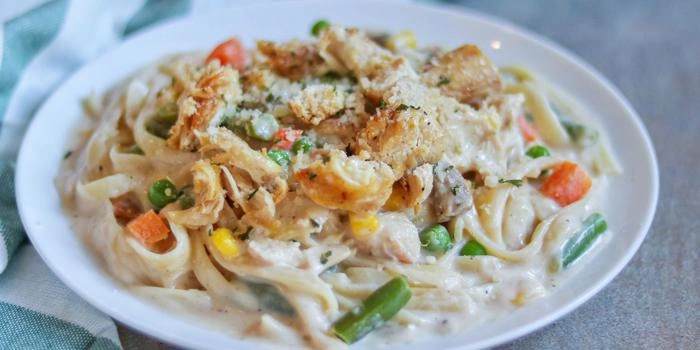
Most people overlook how well cream cheese performs later. Traditional Alfredo often separates into oily puddles when reheated.
Cream cheese slows that process considerably.
Also Read: Alfredo Sauce Recipe No Heavy Cream: Going Back to the Original Method
Reheating Tips
| Method | Recommendation |
| Microwave | 20-second intervals |
| Extra Liquid | Small splash of milk |
| Stirring | After every interval |
| Storage Time | Up to 3 days |
Warm gently. Add a little milk. Stir between heating cycles. The result comes surprisingly close to fresh.
Ingredient Swaps
Richness changes when swapping ingredients.
A few common substitutions include:
- Half-and-half instead of milk
- Gluten-free pasta
- Reduced-fat dairy products
Keep in mind:
- Milk dilutes faster than cream
- Gluten-free pasta often releases more starch
- Every substitution changes texture slightly
Swaps work.
They just never behave exactly the same.
Quick Tips for Success
- Use boneless chicken thighs
- Save at least 1 cup pasta water
- Let cream cheese soften first
- Add Parmesan gradually
- Stir gently over low heat
- Serve immediately
- Reheat with milk if needed
Balance comes from how things work together here. Not any one part stands out.
The way noodles release flavor late matters. So does using what sticks in the pan after cooking. Sauce texture shifts with careful water use. That keeps everything steady. Cream cheese plays its role quietly.
Humidity changes how fast pasta dries. Stove heat changes browning speed. Paying attention helps make results more consistent.
Here things move differently. A different route appears, built from limits and tiny shifts. Nothing bold jumps out. Slow changes take shape, tied to what can be seen.
The approach stands quiet, not loud.