
Table of Contents
Quiche Recipe With Frozen Pie Crust
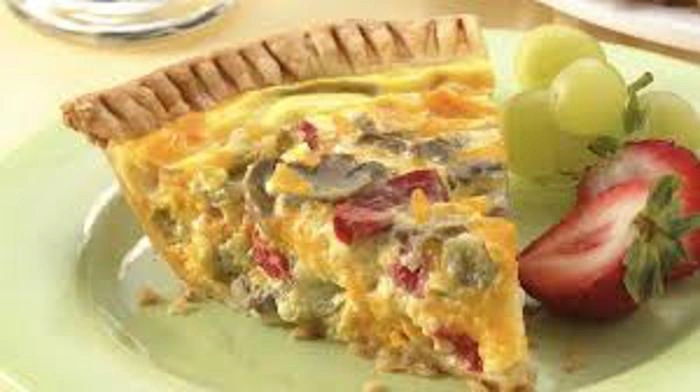
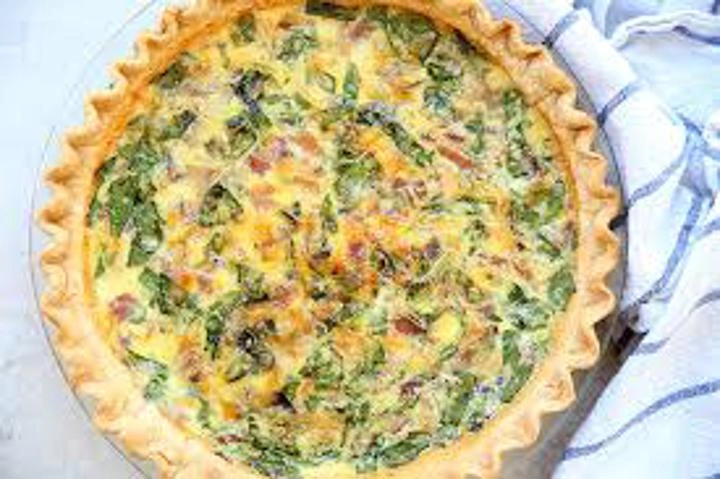
Patience wears thin when making quiche – dough must be rolled, shells baked empty, custard poured just right. Still, few notice the shift hiding behind frosty shelves – the ready-made crust waits. Never a backup plan. Just a different path forward.
Cold store-bought shells do one thing well: they hold shape. Not magic – just steady manufacturing methods most kitchens lack. Machines press fats into dough layers evenly, something tricky by hand where warmth interferes. Each thin sheet stacks with little variation, thanks to rollers calibrated exactly. When warmed just enough before baking, they rise without surprising collapse. That stability matters especially next to moist contents such as custard blends, which often soak through weaker bases.
What matters is not where it comes from. Instead, how you shift your approach because of it.
Why Frozen Pie Crust Works So Well
Most times, a 9-inch frozen deep-dish shell works best. Usually that kind uses enriched flour mixed with oil – or something similar – to handle freezer time without falling apart. Skip any box saying “ready-to-serve” or already cooked, unless the recipe asks for it; those tend to get soggy when wet fillings go in.
Frozen crusts succeed because consistency comes built in. Every layer begins nearly identical to the last. The crust is not better because it is frozen. It is useful because it removes one variable from the process.
Choosing a Frozen Pie Crust
| Type | Result |
| Deep-Dish Frozen Crust | Best for quiche |
| Standard Frozen Crust | Works for smaller fillings |
| Ready-to-Serve Crust | Can become soggy |
| Pre-Baked Crust | Only use when specified |
Preparing the Crust Before Baking
Start by letting the crust sit out for roughly fifteen minutes – just enough to bend without breaking. Too long at room temperature melts the buttery layers, which means fewer bubbles when baking.
A fork works well here: poke holes across base and edges. Air escapes that way, yet the thin sheets inside stay mostly intact.
A few simple steps help:
- Let the crust soften slightly.
- Do not leave it out too long.
- Dock the bottom with a fork.
- Keep the layers as cold as possible before baking.
Small timing differences matter here. Just a few extra minutes on the counter can change how the dough behaves later.
Why Blind Baking Matters
Warm the oven to 375 degrees Fahrenheit, which is about 190 Celsius. When juicy bits go into the pie – think raw veggies or unseared meat – a first bake keeps things crisp.
Lay paper or foil inside the shell, then pour in weights: beans work fine too. Hold it there 12 to 14 minutes. Yank out the lining along with what’s underneath. Slide it back in case the bottom gleams; that shine means dampness lingers. Three more minutes fixes that slick layer of softened starch.
Leave it be until room temp before spooning on the mix-ins.
Blind Baking Guide
| Step | Purpose |
| Foil or Parchment | Holds the shape |
| Pie Weights or Beans | Prevent puffing |
| 12–14 Minutes | Sets the crust |
| Extra 3 Minutes | Removes surface moisture |
Understanding How Quiche Sets
Picture the inside of a quiche while it bakes – proteins tighten, yet moisture shifts too. At roughly 145°F (63°C), egg structure starts firming up; however, solid setting needs nearly 180°F (82°C).
With milk or cream included, thickening takes longer, yielding softer texture and greater rise – but pushes danger zone closer, since overheating past 185°F invites splitting. Push further, then droplets appear: water escaping from tightened strands.
The goal is not simply cooking the eggs. It is finding the point where structure forms without forcing moisture out.
Custard Temperature Guide
| Temperature | What Happens |
| 145°F (63°C) | Eggs begin setting |
| 180°F (82°C) | Custard firms properly |
| 185°F+ | Risk of splitting |
Building a Better Custard
Start with warm milk and eggs straight from the counter. That way, everything bakes evenly without dragging out the timer.
Mix those together before anything else, stir until smooth. Only then sprinkle in the salt – put it in too soon and the yolk structure starts to fall apart slowly. Texture holds up better when you wait.
The order seems minor. Yet quiche often rewards small details more than dramatic changes.
Preparing Fillings the Right Way
Water inside fillings affects how things hold together. Even once wilted, leafy vegetables still carry moisture. Take spinach – nearly all of its mass is water. After cooking, force liquid out using cloth or squeeze hard in a sieve.
The shape stays better when drier.
Heavy droplets seep out of mushrooms once warmth hits them – almost half their mass slipping away. Sauté these on their own first, till they’ve curled up and feel crisp at the edges.
Grate cheese just before using it; that store-bought shredded kind holds hidden powders such as cellulose. This additive soaks in wetness unpredictably, then blocks the custard from clinging right.
Filling Preparation Tips
- Drain spinach thoroughly.
- Cook mushrooms separately first.
- Grate cheese fresh when possible.
- Remove excess moisture from vegetables.
Layering the Quiche Properly
Baking changes when layers shift. Put thick fillings on the bottom first, then add the custard slowly. Once it’s set, leave it alone – moving it traps bubbles and can push proteins upward again.
Try spreading everything in one level if you are able. The result holds together better that way.
Start pouring now. Go slow so it doesn’t rise too fast. Leave a small gap under the edge – roughly a quarter of an inch down. The custard puffs out before sinking back.
Fill past that point and you risk leaks hitting hot parts, leading to fumes and sticky messes later.
How to Tell When Quiche Is Done
Midway through, peek at how it’s going. Set inside wobbles just a bit when nudged – think soft gelatin that trembles slightly.
Position matters: middle shelf keeps heat even. Around thirty-five minutes in, test gently. Knife tip near middle? Mostly clear but maybe damp – that’s fine.
Residual warmth finishes the job after removal. Baking wraps up between forty and forty-five minutes, give or take based on your oven’s habits and ingredient chill level.
Baking Timeline
| Stage | Time |
| First Check | 35 Minutes |
| Typical Finish | 40–45 Minutes |
| Cooling in Oven | Several Minutes |
| Full Rest Time | At Least 45 Minutes |
Cooling and Storing Quiche
Once baking finishes, shut the heat off. Leave the oven door slightly ajar – one inch wide. Allow the quiche to sit within during that time. Cooling slowly like this prevents cracks from forming on top due to quick temperature shifts.
Rest the quiche fully on a wire frame till cool – wait at least forty-five minutes. Slice earlier? The soft structure gives way, cracks form where it hasn’t firmed up yet.
Most folks keep it safe by chilling fast – tuck it away after two hours. Four days is the limit if you seal it tight.
For warmth without wrecking texture, a slow bake around 325 works best. Toaster ovens handle that better than most. The microwave? Not so much – it pulls water too quick, toughens the shell.
Also Read: Banana Bread Recipe with Self Rising Flour: A Simple Loaf Built on Ripe Fruit and Good Timing
Small Changes That Create Different Results
Out of nowhere, small changes begin to show up. Cheddar steps aside when Gruyère takes its place – the melt runs smoother thanks to a sturdier heat tolerance.
A whisper of nutmeg slips in; its fleeting scents lift the richness, leaving warmth but no burn. Evaporated milk swaps in for part of the fresh kind, thickening the outcome – a trick cafeterias lean on so it holds firm while moving around.
Baking pie crusts can sometimes go sideways when the edges darken quicker than expected. Try sliding a loose ring of aluminum foil over the outer edge past the twenty-five-minute mark instead.
Easy Quiche Adjustments
| Change | Effect |
| Gruyère Instead of Cheddar | Smoother melt |
| Nutmeg | Adds subtle warmth |
| Evaporated Milk | Firmer texture |
| Foil Around Edges | Prevents over-browning |
This way isn’t about claiming handcrafted wins. Built on factory precision – steady results, wide reach – it works because it fits real needs. Leaning on setups fine-tuned through years brings no guilt. Focus stays sharp where shifts happen: how water moves, when heat delays, the turn between states. Control hides in those moments.
Bake it wrong, yet it still tells you something. This dish talks back. Pay attention when the crust cracks.