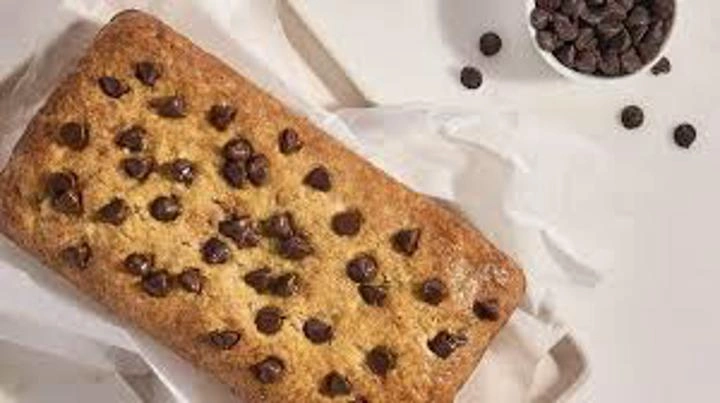

Start with mushy bananas, their sweetness cutting through the powder’s dust. A box of cake mix brings structure, yes, but what matters is how the wet pulls the dry into something new. Not every mash turns out alike. Cool eggs slow things down, warm ones hurry the rise.
Pour too fast, and bubbles vanish before heat can catch them. Order counts, even when it seems none should. Watch how the edges crisp only if the oven breathes steady, no gusts, no spikes. This isn’t luck. Each step leans on the one before, like layers settling without sound.
Table of Contents
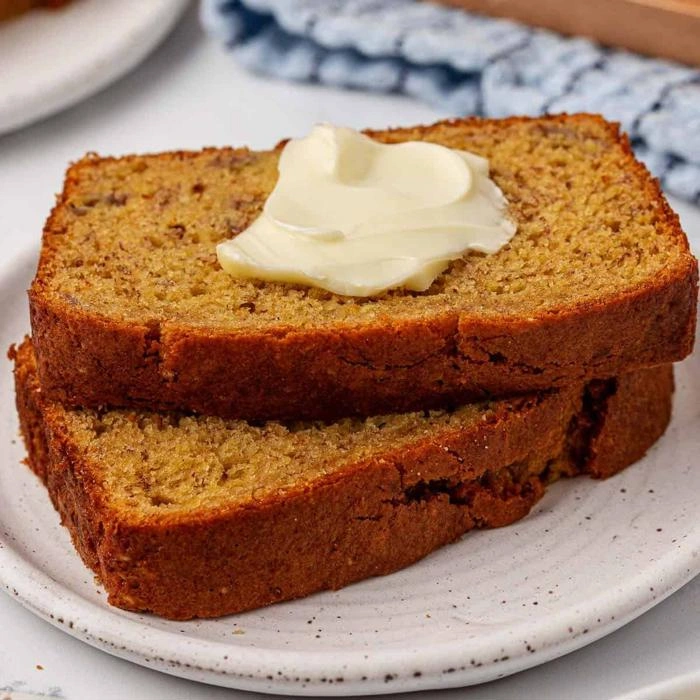
Banana Bread With Cake Mix at a Glance
| Detail | Amount |
| Cake Mix | 1 box |
| Mashed Bananas | 1½ cups |
| Egg | 1 |
| Oil | ¼ cup |
| Oven Temperature | 350°F (175°C) |
| Bake Time | 45–55 minutes |
| Loaf Pan Size | 9 x 5 inches |
Why Use Cake Mix for Banana Bread?
Start with the real reason this trick sticks around. It isn’t just convenient.
Cake mixes aim for reliability, never richness. Back then, speed mattered most after war. Dry ingredients lasted longer and outcomes stayed nearly identical no matter who stirred.
Bruised bananas, once tossed without thought, fit perfectly since mush and speckles help rather than hurt. What gets thrown out lives again, changed into something else entirely.
Even so, it serves a purpose:
- Fewer ingredients to measure
- Less room for mistakes
- Great for beginners
- Uses overripe bananas
- Saves preparation time
Ingredients
| Ingredient | Amount |
| Yellow or Vanilla Cake Mix | 1 box |
| Ripe Bananas | 2 large |
| Mashed Banana | About 1½ cups |
| Egg | 1 |
| Oil | ¼ cup |
| Optional Vanilla Extract | 1 tsp |
| Optional Lemon Juice | 1 tsp |
| Optional Walnuts or Pecans | ½ cup |
Preparing the Batter
Open the package first. Usually, a boxed mix asks for water, oil, and eggs.
Instead of plain liquid, toss in mashed banana. About one-and-a-half cups covers the water entirely while cutting down on oil. Ripe bananas work best. Two big, speckled bananas usually provide enough soft flesh.
Once enzymes get to work, starch turns into sugar inside. Extra sweetness often is not needed because the cake mix already contains plenty.
The Role of Eggs and Oil
Banana’s texture feels rich, yet it holds no real fat. Cutting oil completely leaves the batter too dry.
One egg goes in unbroken, giving shape while holding fibers together. Instead of using the full amount of oil listed on the box, keep only a quarter cup.
Cold eggs fight smooth mixing and often create lumps. Room-temperature eggs blend more easily.
Mixing the Batter Correctly
Start folding now.
Mix too hard and the gluten wakes up inside that wheat flour. Stir like this and rubbery results show instead of softness.
Some small bumps are perfectly fine. When the batter drizzles from the spoon, it should flow slowly rather than stand upright.
Mixing Tips
- Use room-temperature eggs
- Stir gently
- Stop when dry streaks disappear
- Leave small lumps alone
- Avoid overmixing
Baking the Banana Bread
Baking this needs a pan, nine inches long, five across. Size matters less than shape here.
Baking without a nonstick layer? Slide parchment paper under to stop things from clinging. Fill each cup just enough – say, two-thirds – to allow space when it puffs up.
Bake at a warm heat, around 350 degrees Fahrenheit. That’s about 175 on the Celsius scale.
Watch the clock if you like, yet what you see can tell just as much.
Look for:
- A cracked surface
- A firm top
- Light golden color
- A toothpick with only a few crumbs attached
| Baking Stage | What to Look For |
| Beginning | Batter rises slowly |
| Middle | Surface begins cracking |
| Near Done | Top firms up |
| Finished | Toothpick mostly clean |
Why Cooling Matters
Patience matters most once it leaves the oven. Resting fifteen minutes in the pan sets the crumb properly. After that, move it to a wire rack for even airflow.
Another full hour passes before it reaches room temperature.
Cutting too soon lets steam escape rapidly. That rush of vapor pulls the soft center down. Structure weakens without enough time.
Sometimes the hardest step is simply waiting.
Flavor Additions That Work Well
Banana bread usually hits the tongue one way, but here it shifts. A quiet change spreads across each bite instead.
Boxed mixes skip real cinnamon, nutmeg, or deep vanilla – instead, they lean on lab-made touches like vanillin or ethyl maltol. These substitutes shape the taste without using whole spices or natural extracts. A hint of sweetness comes through, not from pods or bark but from precise chemical additions. What you get is less about origin, more about repeatable results. Each bite carries a uniform profile built in factories, far from tree or vine.
Some extra pieces might just even it out.
Also Read: Peanut Butter Rice Crispy Treats Recipe: A Simple Snack with Real Texture
Good Add-Ins
- Chopped walnuts
- Chopped pecans
- Vanilla extract
- Lemon juice
- Cinnamon
A teaspoon of lemon juice often brightens sweetness without making the loaf taste sour.
Storage Guide
Once cooled, wrap it well. Storage follows simple rules.
| Storage Method | Freshness Time |
| Room Temperature | Up to 3 days |
| Refrigerator | Up to 5 days |
| Freezer | Up to 2 months |
For freezing:
- Slice the loaf first
- Separate pieces with parchment paper
- Store in a freezer-safe container
- Thaw completely before unwrapping
Leaving it covered while thawing helps hold moisture inside.
Nutrition Notes
Most cake mixes contain:
- More sugar
- Less fiber
- Refined flour
- Higher sodium levels
Mashed bananas contribute:
- Potassium
- Vitamin B6
- Natural sweetness
Still, one batch may contain more sodium than some people prefer. It is worth checking the box label if that matters to you.
Quick Recipe Summary
- Start by pressing two soft bananas into a smooth mix.
- Bake alongside a single package of store-bought cake mix. One box blends right in.
- Beat one egg into the mix, then pour in a quarter cup of oil.
- Mix gently.
- Bake it in a bread tin measuring nine by five. A different size might change how it cooks.
- Half an hour and a bit more, maybe up to nearly an hour, let it sit inside the oven set to 350 degrees Fahrenheit – around 175 if you’re using Celsius.
- Rest fifteen minutes inside the dish.
- Cool it fully on a metal grid. Finished when no warmth remains.
This bread isn’t meant to stand beside handmade bakery loaves. It doesn’t need to.
Instead, it shows up softly where kitchens feel uncertain and where overripe bananas wait for a purpose. Measuring seven different ingredients is not required. Mistakes matter less here.
It isn’t wrapped in legend. Not a keeper of memories or a grand baking tradition.
What it offers feels scarcer than that—a result within reach when energy runs low, ingredients run short, and something warm from the oven still sounds like a good idea.