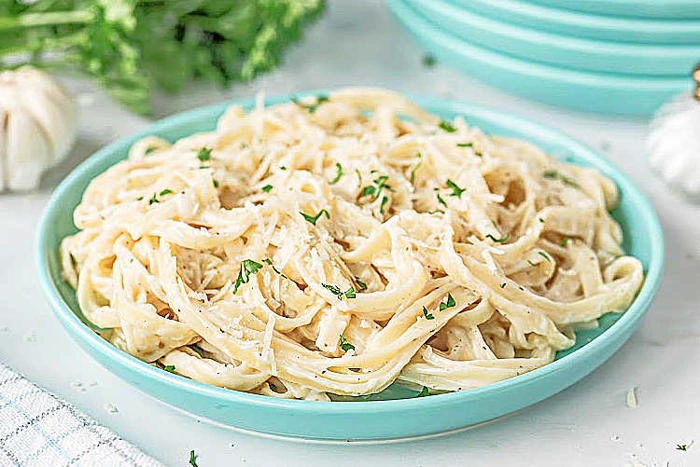

Who knew skipping heavy cream could still feel so rich? That thick, creamy idea we hold onto – it actually started without dairy overload. Back when fettuccine Alfredo first appeared in 1914 at a small Rome restaurant called Alfredo alla Scrofa, things were simpler.
Only three pieces made the magic happen:
- Butter
- Parmigiano-Reggiano
- Starchy cooking water
Cream didn’t show up until much later across the Atlantic. U.S. versions added it, probably because big trays needed something stable under hot lights. Take it out now, and you’re not losing anything. This change brings back what was always real.
Table of Contents
The Three Core Ingredients
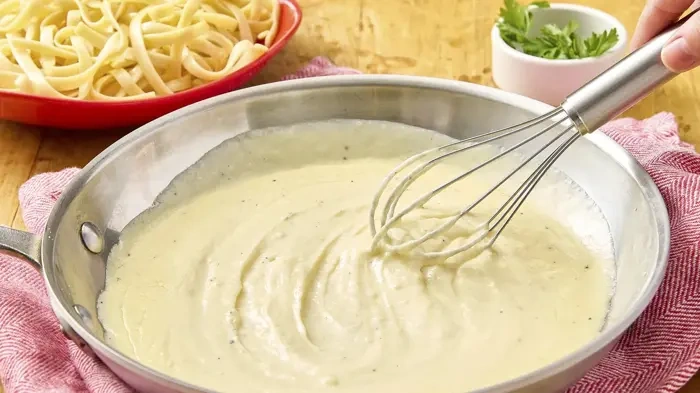
Traditional Alfredo Components
| Ingredient | Purpose |
| Butter | Richness and body |
| Parmigiano-Reggiano | Flavor and texture |
| Pasta water | Emulsifies the sauce |
Without cream, each ingredient matters more. There is nowhere to hide mistakes. The texture comes from technique instead of extra dairy.
Why Butter Behaves Differently Without Cream
Heat shifts how butter behaves once cream’s out of the picture. Its lack of stabilizing elements means splits happen easier.
That’s why timing matters more than speed.
Pull the pan away before adding butter, let it melt slowly. Stove warmth finishes the job without breaking the mix. Slow melting keeps the fat clinging to milk bits when heat fades gently.
Butter Comparison
| Butter Type | Fat Content |
| Standard butter | Around 80% |
| European-style butter | 82–86% |
Butter made in Europe stays put better because its fat runs richer.
Choosing the Right Cheese
How you pick your cheese changes how it feels and tastes.
Instead of grabbing pre-shredded stuff, try a solid chunk. That kind usually has powders added – stuff like cellulose – to stop clumping. Because of those extras, it won’t melt right.
When you shred real block cheese just before using, stirring it into warm liquid gives a thicker, smoother result.
Cheese Comparison
| Cheese | Characteristics |
| Parmigiano-Reggiano | Deep flavor, aged crystals |
| Grana Padano | Similar melt, lighter richness |
| Pre-shredded Parmesan | Less smooth melting |
Little crystals in real Parmigiano-Reggiano come from long aging. They bring a faint crunch and deep savory notes that younger cheese lacks.
The Importance of Pasta Water
What happens when you boil pasta? The liquid left behind does more than just dilute things. Cooked durum wheat leaks starch into the pot. That gooey mix works like glue.
Depending on cooking time and pasta shape, each liter can hold between fifteen and thirty grams of starchy residue.
Why Pasta Water Matters
- Helps bind butter and cheese
- Prevents oil separation
- Creates a smooth coating
- Improves texture
That gloop keeps oil blended smoothly instead of floating away on top.
Tossing in chilled or premature water might jolt the mixture apart. Stirring small amounts step by step supports steady warmth throughout.
Finishing Pasta the Italian Way
Some cooks skip full draining when finishing pasta.
Moving noodles straight from pot to pan keeps cooking alive. A splash or two of starchy water goes along for the ride.
Stirring with tongs builds warmth slowly, strand by strand. The motion spreads consistency without extra oil.
Mantecatura
In Italy they call it mantecatura – a glide born from movement, not grease.
Why Milk and Other Substitutes Often Fail
Some folks try swapping in milk or coconut versions when making sauces – results can surprise.
Common Substitutes and Results
| Substitute | Common Issue |
| Whole milk | Breaks easily |
| Coconut milk | Can separate |
| Cashew cream | May feel gritty |
| Plant-based blends | Often contain additives |
Heat tends to break whole milk since its fat layer isn’t thick enough. Plant options often carry hidden sugars and stabilizers that burn or separate.
Cheesy richness warmed just right creates a texture nothing else quite matches.
Flavor Additions and Small Variations
Even if some mixes add garlic or onion dust, purists tend to frown at such changes. What matters most in the classic method is how ingredients meet. Flavor stacking takes a back seat.
Still, imagine tiny bits of shallot, cooked slow till soft, then removed before blending into the base. A whisper that lifts sweetness while leaving no clue behind. That quiet tweak alters taste just enough to notice, yet never name it.
Warm Plates Matter Too
Warm plates matter just as much as hot pans.
Before food lands on them, those dishes should already hold some warmth. This slows down how fast things cool.
When meals hit a cold surface, oils gather in little pools. Many people blame this on the recipe when the plate is often responsible.
Plate Temperature Guide
| Plate Type | Effect |
| Warm plate | Maintains texture |
| Cold plate | Speeds separation |
Finding the Right Balance
Start with less if you’re unsure.
Basic Ratio
| Ingredient | Amount |
| Butter | 1 tablespoon per 100g pasta |
| Parmigiano-Reggiano | 2 tablespoons |
| Pasta water | As needed |
A splash too much butter and the dish splits, losing its flow. Not enough moisture leads to sticky strands clinging together.
Each Parmesan wheel differs. Older ones often carry more salt because of how they aged. Skip guessing by tasting halfway through. Adjust only after checking flavor.
Regional Variations
Out here, things shift depending on the town.
A beaten egg yolk gets folded into warm butter by certain cooks near Rome, right before the cheese goes in. It helps everything stick together for a moment.
Sometimes, after stirring, someone might slip in a dab of mascarpone just to soften the bite.
Also Read: Pancake Recipe with Self Rising Flour: Soft Pancakes Made the Simple Way
Home-Cook Variations
- Egg yolk
- Mascarpone
- Small amounts of shallot
- Slight cheese adjustments
You won’t spot these tricks much beyond homes, since factories can’t rely on them staying the same each time.
Why Most Vegan Swaps Behave Differently
Most swaps fail because people expect too much. Instead of mimicking cheese, nutritional yeast brings its own flavor entirely.
Many vegan versions rely on thickeners that fall apart under heat. Without dairy proteins, plant-based butters struggle to hold things together.
Results improve once assumptions shift. Unfamiliar doesn’t mean worse – only different. Chemistry simply follows new rules.
What Cream Hides
Without cream, the method shows.
How few elements, treated carefully, build depth becomes clear. From handling – rather than extra ingredients – comes feel. Taste forms through balance instead of piling things on top.
Less richness brings sharper flavors back.
Start slow when you cook with nothing to lean on. Every step means something now.
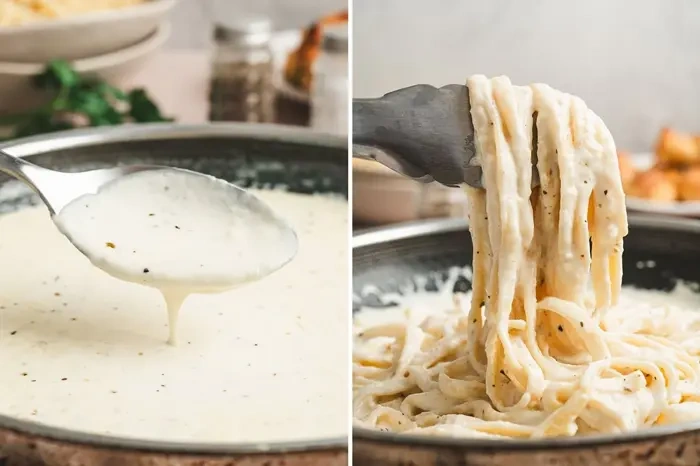
Instead of counting, you watch how things unfold – the tilt of a wrist, the drag of metal. That line a spoon makes down the center? It tells you when it is done.
There are no secrets here. All is visible.