
Those old white sauce folks now label Alfredo? It used to be anything but rich. Born in Rome during the first decade of the 1900s.
For quicker meals, restaurants turned to pre-made bases along with added extras just to keep things running smoothly. Not waiting became the goal, so shortcuts like packaged blends showed up more often alongside little boosts in flavor. Getting it fast mattered most, which made those instant solutions common next to tweaks meant to help taste stay steady. So what shows up on most menus now isn’t a copy – it’s a different creature altogether. Texture took over flavor, indulgence won out over simplicity, and convenience shaped the recipe more than care. What we eat today says less about old methods and more about how fast we want dinner.
Out here, swapping in heavy cream shifts things clear away from the old way – just butter, Parmigiano-Reggiano, and starchy water.
Table of Contents
Why Heavy Cream Changes Alfredo Sauce
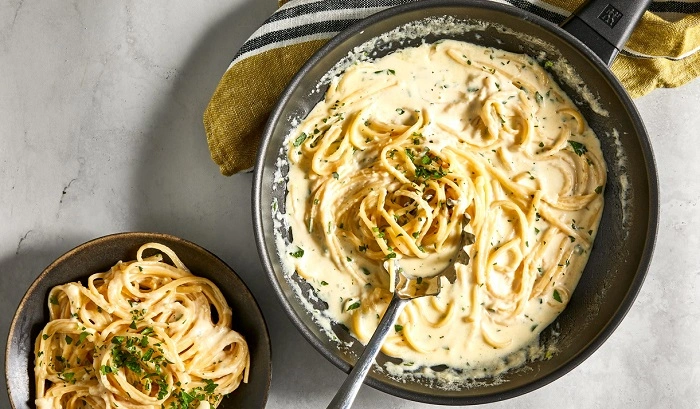
Heavy cream creates a very different Alfredo compared to the original Roman version.
Benefits of Heavy Cream
- Creates a smoother sauce
- Helps cheese melt more evenly
- Reduces the risk of separation
- Makes the sauce more stable
- Easier for home cooks to prepare
Richness hides flaws. Because it contains so much fat – usually between 36% and 40% – heavy cream withstands heat well, slowing down curdling when cooked.
Still, that thickness softens sharper flavors. The cheese taste becomes less direct beneath the creamy weight.
Ingredients
Alfredo Sauce Ingredients
| Ingredient | Amount |
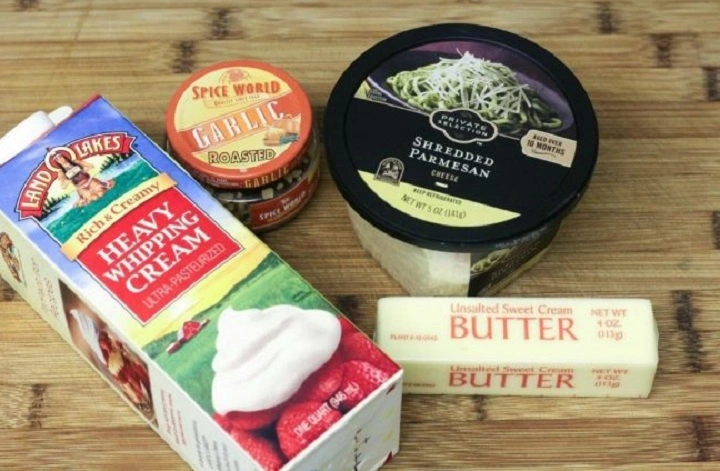
| Heavy cream | 1 cup (240 ml) |
| Fresh Parmigiano-Reggiano | 1 cup (90 g), grated |
| Fettuccine pasta | 4 oz (115 g) per person |
| Pasta water | 1/2 cup or more |
| Salt | For pasta water |
Some cooks add garlic or nutmeg. Others leave them out completely. Traditional Alfredo did not include those additions.
Preparing the Cream Base
Start using one cup, which is 240 milliliters, of heavy cream.
Pick a type that skips added stabilizers when possible. Those extras can affect how smoothly it melts.
Transfer the cream into a wide pan rather than a tall pot.
Why Pan Width Matters
The spread across the surface plays a role here.
More space on the bottom:
- Promotes even heating
- Reduces scorching
- Allows moisture to escape evenly
- Helps control texture
Heat gently over medium-low heat.
Never let it boil.
Tiny bubbles should appear around the edges after roughly three to four minutes.
Grating the Cheese
When the cream heats up, get the cheese ready. A handful of fresh Parmigiano-Reggiano, about 90 grams, works well here. Grate it just before using for best results.
Most pre-grated cheeses you buy come with extra stuff like cellulose. That additive might keep it from melting evenly.
Bursting with flavor, freshly shaved cheese slips smoothly into heated cream.
Cheese Preparation Tips
| Method | Result |
| Freshly grated | Smooth melting |
| Store-bought grated | Can become grainy |
| Fine grate | Best texture |
| Large shreds | Slower melting |
Adding the Cheese
Drop the cheese into the cream little by little.
Keep stirring continuously with:
- A wooden spoon
- A silicone spatula
Keep the burner low. Go above 160°F (71°C) and the casein proteins may tighten, creating a gritty texture.
The goal is a smooth and glossy sauce.
Cooking the Pasta
Pasta should be cooked separately. Fettuccine works especially well because its flat shape holds sauce effectively.
Long flat pasta varieties work similarly.
Pasta Cooking Guide
| Item | Amount |
| Pasta | 4 oz (115 g) per person |
| Water | Enough for free movement |
| Salt | 1 tablespoon per quart |
Water needs plenty of salt. Never add oil. Oil creates a slippery coating that makes sauce cling less effectively later.
Cook the pasta until just firm. Before draining, save at least half a cup of pasta water.
Combining Pasta and Sauce
Into the sauce pan goes the hot pasta. Stir right away. The sticky film clinging to noodles? It works like paste, making sauce sticks.
If the sauce feels too thick:
- Add pasta water
- One spoonful at a time
- Stir constantly
Keep everything moving during this stage. After mixing, allow the dish to rest for about sixty seconds.
That brief pause helps fats settle and flavors balance.
Also Read: Alfredo Sauce Recipe Without Heavy Cream
The Importance of Pan Size
Most folks overlook how much pan width shapes results.
Pan Size Effects
| Pan Size | Result |
| Too small | Sauce becomes watery |
| Too large | Sauce reduces too quickly |
| Around 8 inches | Balanced cooking |
For smaller portions, an eight-inch pan often provides the best balance.
Understanding Heat Control
Most folks miss the way burner levels change a dish. Some directions call for medium but never define it.
Some stoves act one way, others not so much.
Stove Comparison
| Stove Type | Behavior |
|---|---|
| Gas | Immediate heat changes |
| Electric coil | Holds heat longer |
| Induction | Responds very quickly |
The kind of stove you use shapes results far beyond the ingredients.
Can Alfredo Sauce Be Reheated?
Heat changes how this sauce behaves. When warmed again, the milk inside can split without warning. Uneven warmth tends to show up most in microwaves.
Warm it up on the stove if you can, although using two pots stacked saves it from burning. Food that’s been sitting usually isn’t as good the following day.
Storage Guide
| Storage Method | Result |
| Freshly made | Best texture |
| Refrigerated overnight | Less smooth |
| Microwave reheating | Higher separation risk |
| Double boiler reheating | Better option |
Why Parmigiano-Reggiano Matters
Parmigiano-Reggiano earns its name only when produced within specific regions of Italy. The European Union protects that designation.
Different grass, climate, and aging conditions influence:
- Saltiness
- Texture
- Melting behavior
- Flavor depth
Substituting another cheese changes how the sauce behaves under heat.
Traditional vs Modern Alfredo
| Traditional Alfredo | Cream Alfredo |
| Butter | Heavy cream |
| Parmigiano-Reggiano | Parmigiano-Reggiano |
| Pasta water | Pasta water |
| Lighter texture | Richer texture |
| Strong cheese flavor | Creamier flavor |
What Traditional Alfredo Does Not Include
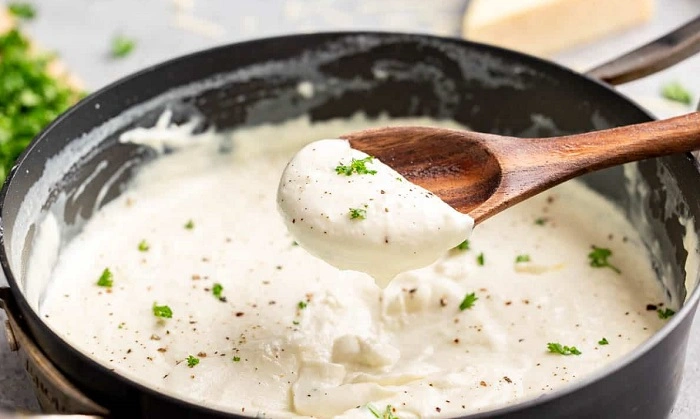
The original version avoided many additions now considered normal.
Traditional Alfredo did not include:
- Chicken
- Bacon
- Parsley
- Garlic
- Nutmeg
These additions arrived later through regional adaptations and restaurant variations.
Serving Suggestions
This recipe generally serves:
| Serving Style | Portions |
| Main course | 2 people |
| Side dish with meat or vegetables | 4 people |
Large portions can feel heavy because of the rich cream content. Smaller portions often allow the flavor to stay sharper.
Choosing the Right Tools
How tools behave can shift results.
Tool Comparison
| Tool | Effect |
| Wooden spoon | Neutral temperature |
| Metal spoon | Conducts heat |
| Silicone spatula | Good for scraping |
| Nonstick pan | Prevents sticking |
Wood tends to work best because it neither steals heat nor adds it.
Warm the Plates First
Warm the dish before you serve anything on it. Food loses heat fast if the plate is cold underneath.
Place dishes near a warm oven:
- Around 170°F (77°C)
- Lasts around ten minutes
Over time, keeping it covered makes a difference once plated. A lid slows changes you’d otherwise notice fast.
Still, this version swaps accuracy for ease.
When technique falls short, heavy cream steps in with steady results. It creates a forgiving sauce that behaves well under ordinary kitchen conditions.
Yet it moves away from the clean design that made the original famous. That simple combination of butter, cheese, and pasta water gave Alfredo its identity.
Today, cream often acts more like a backup plan than an upgrade.