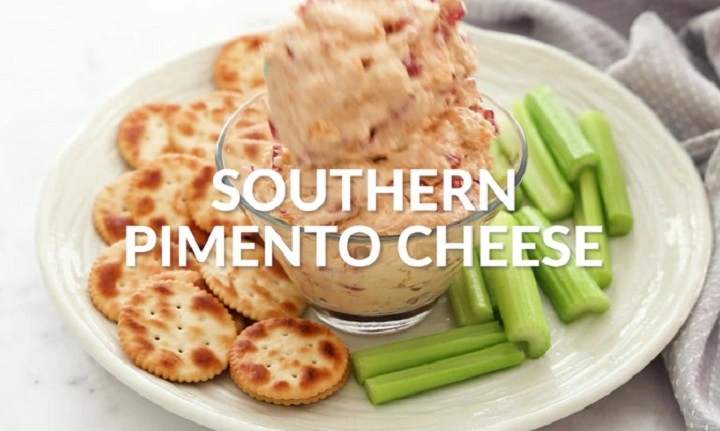

Some people picture pimento cheese as a staple born in Southern homes, passed down through wrinkled index cards stuffed in old tins. Rather than sticking to sharp cheddar blended with mayonnaise and diced red peppers, others blend in cream cheese – adding smoothness, dialing back the edge, bringing a gentler glide across the palate. This version doesn’t demand attention. It fits quietly into moments when cooking flows without effort, guided by comfort and instinct.
Moisture behaves differently once cream cheese enters the mix. Instead of just sitting there, it helps hold things together. Old versions often split open – oil drifts upward, dense chunks sink during cold storage. This newer blend fights that shift, not completely yet well enough. Its secret? More water lives inside, plus a steadier fat structure when stacked against firm yellow bricks. A quiet advantage hides in that tiny change – usability stretches out, maybe even into another full day, so mixing again becomes unnecessary. Some miss it completely, yet the ones prepping early gain without saying a word.
Table of Contents
Why Use Cream Cheese in Pimento Cheese?
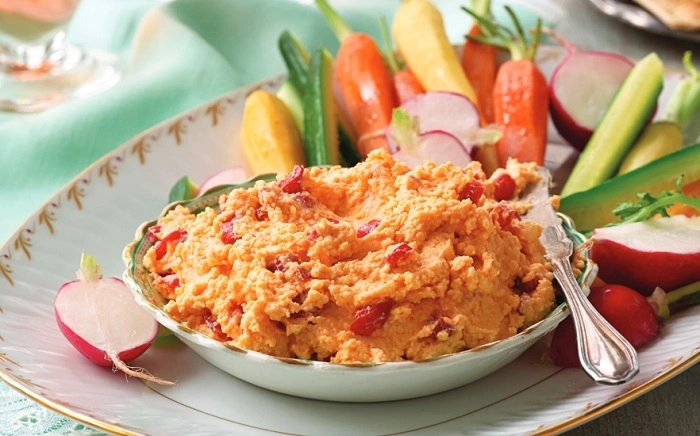
Softer now, the paste spreads instead of crumbling. Held between bread, it keeps its place without falling apart. Even when pressed hard, crackers stay intact. Kids tend to like how it feels on the tongue – less rough, less sharp.
Not everyone welcomes the change. For some, it’s a loss. To others, just keeping up. One view doesn’t erase the other. Still, labeling something “inauthentic” overlooks how realness in cooking changes – slowly shaped by what’s on hand, when you’re making it, who’s eating.
Ingredients
Eight ounces of sharp cheddar goes in first, finely grated. Softened cream cheese follows, four ounces worth. Mayonnaise comes next – a quarter cup – to ease the mix but keep it thick. Chopped pimentos join after draining half a jar.
| Ingredient | Amount |
| Sharp cheddar cheese, finely grated | 8 oz |
| Cream cheese, softened | 4 oz |
| Mayonnaise | 1/4 cup |
| Chopped pimentos, drained | 1/2 jar |
| Salt | Optional |
| Garlic powder | Optional |
| Worcestershire sauce | Optional |
Some skip salt. Many still add it anyway. Pepper stays out more often than not. Nothing burns here. Taste moves gently – mild creaminess leads, a touch of sugar follows, then a quiet sharpness when leftover pimento brine lingers. Earth holds the whole thing down.
Mixing the Ingredients
Most of the work happens without heat. Just putting things together. Still, when you do each step changes how it turns out.
Cold cheddar shreds smaller if chilled first. Cream cheese spreads better once warmed slightly. Move too fast and the mix gets spotty – pale chunks floating in a darker blend. Not harmful. But your teeth will feel them before your eyes catch on.
Start mixing by hand – it usually wraps up in three to five minutes. Though there’s no chemical danger from stirring too long, heat builds up, which might speed up oil splitting down the line.
Hand Mixing vs Machine Mixing
| Method | Result |
| Hand mixing | More texture and visible cheese pieces |
| Food processor | Smoother and creamier |
| Overmixing | Can lead to oil separation later |
Start with a machine, get cream. That whirring blade pulls everything apart fast. Too long and it turns thick, almost gluey. Works if you’re filling something hollow, not when you want thin slices on crisp bread.
Try stirring by hand instead. The pieces stay put. You see them. Feel them too. Soft spread here, little push back there from a fleck of cheddar or heat from pepper.
Step-by-Step Instructions
- Finely grate the cheddar cheese.
- Let the cream cheese soften at room temperature.
- Add cream cheese and mayonnaise to a large bowl.
- Stir until smooth and creamy.
- Fold in the grated cheddar gradually.
- Add the drained pimentos.
- Mix gently with a fork.
- Taste and adjust seasoning if needed.
- Transfer to a container.
- Chill for at least 2 hours before serving.
Seasoning Tips
Out of nowhere, salt shows up – hiding in cheddar, swimming through mayonnaise, occasionally dumped in on its own.
Most directions ask for more, ignoring what’s already inside. Wait till everything mixes before touching the shaker. Taste only when it’s all together.
A tiny bit more? Possibly. But probably just extra weight.
Optional Flavor Additions
- Garlic powder
- Worcestershire sauce
- Hot sauce
- Paprika
- Green onions
- Mustard
Hot sauce stirs things up. Just a couple of drops shift how it tastes, even if they don’t bring much fire. With capsaicin around, background notes rise slightly.
Color and sensation come together through paprika. When scattered on top, it quietly says the dish is set.
Adding Onions
Sometimes onions show up – tiny bits of green onion, chunks of white onion left in milk.
Not cooked, they pack a punch; people call it lively or rough depending on taste. Water removes part of what makes them strong. Milk pulls more out.
A short wait, about ten minutes, does the job. Take them out, press lightly to remove liquid, then mix in small amounts. Overdoing it weakens the whole thing.
Also Read: Pink Salt Trick Recipe with Baking Soda
Storage and Freshness
Most of the time, cold makes texture firm. Yet warmth brings flavors back into harmony.
Not right away though – it needs a pause, about fifteen minutes out of the fridge.
Stored in jars, it lasts nearly two weeks, but truth is, day six onward things start to fade. Even if the top layer turns a shade deeper, that’s just air doing its work, nothing gone bad.
Give it a mix and everything looks even again.
Storage Guide
| Storage Method | Result |
| Refrigerator | Best option |
| 1–5 days | Best flavor and texture |
| 6–14 days | Still usable but less fresh |
| Freezer | Not recommended |
Can You Freeze Pimento Cheese?
Once frozen, pimento cheese often turns grainy. When it thaws, oil pools at the edges instead of blending smoothly.
Doing it twice makes the mess even worse. Making a new batch each time works better than saving leftovers. Eating it within seven days keeps flavor sharp.
Pimentos bring all the color. Pale yellow shows up when they’re missing – even if orange cheddar is mixed in – since cream cheese lightens everything.
Best Ways to Serve It
Warm grilled potatoes carry it well, melting in patches that beat smooth blends.
Beyond sandwiches, its role shifts – stuffed inside empty tomatoes, tang meets wet flesh. Thinned with more mayo, it turns better for dipping.
Crackers work only if they resist snap, built thick enough to hold weight.
Serving Ideas
- White bread sandwiches
- Toast
- Saltines
- Water crackers
- Celery sticks
- Stuffed tomatoes
- Grilled potatoes
- As a dip
Choosing the Right Bread
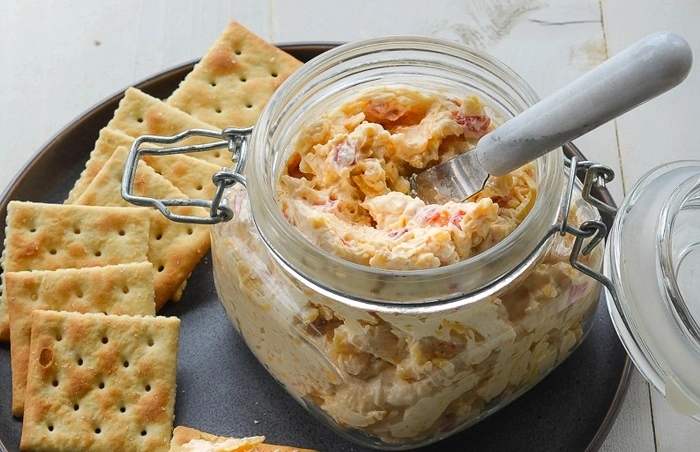
How you pick bread changes how it feels to eat.
When squeezed, soft white gives way fast. The outer part plays a role too. A sharp sourdough taste pushes back at creamy cheese flavors. Brioche steps in too strong.
Heat from toasting builds a wall that stops liquids moving through. Just a touch of crunch keeps the shape intact when held in hand.
Regional Popularity
Some areas see it more than others. Across the Southeast, spots like Georgia, North Carolina, and Tennessee come up often.
Beyond the Mississippi, sightings drop – unless family roots trace back South. Beside the deli section, stores stock ready-made kinds, usually skipping cream cheese.
From-scratch mixes fill most home kitchens instead.
Cost and Ingredient Availability
Money-wise, it uses stuff that is easy to get. Cheddar mixed with mayo hasn’t gone up much in price compared to similar options.
Pimentos come mainly from Honduras and Guatemala before traveling worldwide. Even though they’re imported, they remain affordable.
A bit of cream cheese makes the total slightly higher. Some folks watching their spending swap in sour cream instead.
Not quite the same, but close enough when money feels tight.
Nutrition Notes
Most health groups don’t issue strong warnings about eating it.
Because it’s a dairy-based spread, you’ll find:
- Saturated fat
- Protein
- Calcium
- Sodium
Some people who struggle with lactose may still handle it, depending on the type. Aged cheddar tends to have almost none left, while cream cheese keeps higher levels.
Variations You May See
Nobody agrees on one standard mix.
You might find:
- Cream cheese
- Garlic powder
- Mustard
- Worcestershire sauce
- Chopped pickles
- Green onions
Each kitchen holds its own quiet rule.
Final Thoughts
This one doesn’t reinvent anything.
Quietly fills you up. Holds its shape on the move. Goes bad in expected ways. Draws interest without pushing. Shifts texture if stirred, settles again once cold.
Lingers softly in everyday meals – no meaning tacked on, no ritual attached, just there.