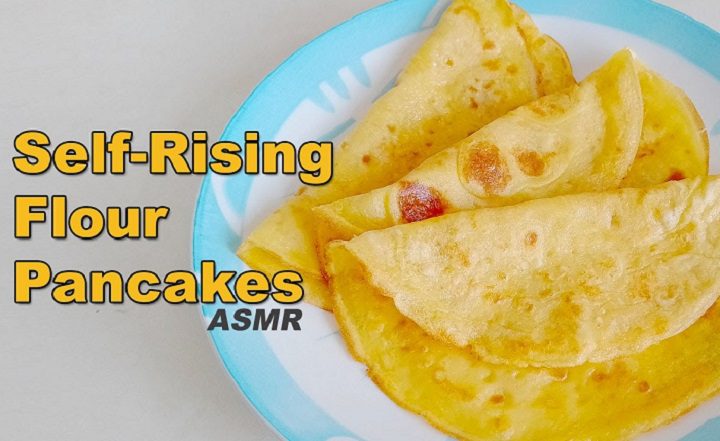

Some pancakes start with self-rising flour instead of separate rising helpers. This changes how they puff and set while frying. Using it seems easier at first glance, still brings less grip on how fluffy or even they turn out. Many people grab it for speed, though what’s inside, mild flour mixed with baking powder plus salt, can react oddly when meeting wet stuff, particularly if the liquid is warm or sits too long.
Table of Contents
What Is Self Rising Flour?
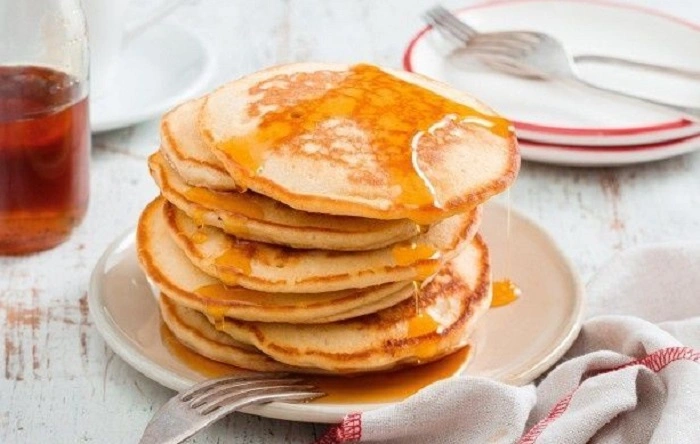
Self-rising flour is flour that already has baking powder and salt mixed into it. That means you do not need to add those separately in many pancake recipes.
Still, it is not always as simple as it looks. Since the rising power is already inside the flour, freshness matters more than people think.
| Ingredient in Self Rising Flour | What It Does |
| Soft flour | Gives a tender pancake |
| Baking powder | Helps the pancake rise |
| Salt | Balances flavor and structure |
Why Fresh Self Rising Flour Matters
Baking powder doesn’t last forever when mixed into self-rising flour – its power slips slowly over time. Since the rising ingredient is pre-mixed, what matters most isn’t freshness of flour but how many weeks have passed since it sat on a shelf.
Old baking powder loses strength when humidity gets to it. A pancake mix from last winter could spread too thin – same recipe, different result.
Bubbles mean life. If you mix a spoonful with hot water and see fizzing, the powder works.
Skip that check, then nothing else matters how careful you are. Freshness shows fast when heat hits it right.
Simple Pancake Ingredients
| Ingredient | Amount | Purpose |
| Self-rising flour | 1 cup | Main structure and rise |
| Milk | ¾ to 1 cup | Adds moisture |
| Egg | 1 | Helps bind and set |
| Melted butter | 2 tablespoons | Adds softness and flavor |
| Sugar, optional | 1 tablespoon | Adds light sweetness |
| Vanilla, optional | ½ teaspoon | Adds aroma |
Basic Pancake Method
- Add self-rising flour to a bowl.
- In another bowl, mix milk, egg, and melted butter.
- Pour wet ingredients into the flour.
- Stir gently with a fork until just combined.
- Let the batter rest for about 10 minutes.
- Heat a pan or griddle.
- Pour small rounds of batter.
- Flip when bubbles stay open on top.
- Cook the second side for less time.
- Serve warm.
Why Soft Flour Makes Tender Pancakes
Most times, self-rising flour leans on softer wheat, often around 8–9% protein, much like cake flour. A lighter protein load means less glue-like strength forms when mixed, so pancakes stay soft inside.
Instead of building stretchy networks, the mix favors delicacy over bounce. Once milk pours in, especially if chilled, those tiny starch bits take their time drinking it up.
Resting the batter for ten minutes helps it soak up liquid more evenly. This cuts down on clumps when mixed less.
Overworking makes pancakes dense. A little stirring once wet gets done can wake leftover gluten, turning fluffy results into something rubbery.
How Eggs Help the Batter
When heated, egg proteins set into a solid form, giving pancakes shape. Lecithin in yolks helps bind ingredients together smoothly.
With self-rising flour around, things change just a bit. Rising power is already built in. Whipping eggs for height is not needed since bubbles get trapped while stirring at the beginning. Handle the yolk with care. Mix only enough to combine.
Overworking forms stiff froths that will not swell when hot. Too much whipping pumps in too many bubbles. Those puff up fast, then fall apart, leaving bumps behind.
For this job, a fork beats a whisk. Fewer prongs keep things calmer. When speed drops, smoothness stays.
Why Butter Matters
Beyond taste, butter controls how fast things cook.
When liquid butter blends into the mix, it wraps around gluten and carbs. This slows down moisture soaking and pushes back thickening.
That delay lets steam gather inside before the structure hardens. This matters for rising.
Too much grease, though, blocks air pockets from forming. A good guide is about two tablespoons of butter for each cup of flour. Too much more than that, and warmth spreads too slowly, leaving heavy spots inside.
Pan Heat and Pancake Texture
Most times, how hot the cooktop feels hits harder when dealing with self-rising mixtures compared to those relying on yeast.
Set an electric flat grill at 375°F, or 190°C, but what really happens depends on the pan’s makeup.
Heavy iron warms slowly but holds steady once ready. Light metal loses heat quickly when wet batter lands on it.
When temperatures plunge, chemical shifts change pace. Rising agent breaks down slower under 350°F, so leftover sharpness may scorch outer layers before insides finish fully.
Also Read: 3 Ingredient Chocolate Chip Cookies
Best Pan Choices
| Pan Type | How It Affects Pancakes |
| Cast iron | Holds heat well |
| Aluminum | Heats fast but cools quickly |
| Nonstick pan | Easy release |
| Electric griddle | Good temperature control |
| Thin pan | Can create uneven browning |
When to Flip Pancakes
Heat moves through pancakes like waves, so when to flip depends on science, not routine.
Holes appearing across the top mean steam is pushing its way out from inside.
Flip only after those gaps stay wide. That shows the center started firming up yet still needs more time.
Doing it too soon might cause a collapse. Waiting too long darkens the base too much. After turning, warmth travels into what was just the upper layer, sealing structure without further puffing. This means the last phase cooks faster by about one-half.
Milk, Buttermilk, and Liquid Choices
Hidden links show up when swapping ingredients.
Baking powder wakes up faster if buttermilk is used, thanks to its sharp tang. Self-rising flour often packs its own sour punch, commonly from sodium aluminum sulfate, so more tartness might burn through lift too soon.
Liquids without edge, such as full-fat milk or plain water, keep bubbles quiet until heat hits.
Without salt, the dough resists stretching more than it should. Though some exists already in flour, pulling out extra throws off balance. Gluten grows too stiff and loses ease.
Liquid Options
| Liquid | Result |
| Whole milk | Soft and balanced |
| Water | Lighter flavor, less rich |
| Buttermilk | Tangy, but may react faster |
| Warm milk | Can trigger leavening too early |
| Cold milk | Slows hydration slightly |
High Altitude Problems
High up, things behave differently than most expect.
When you rise past 3,000 feet, the air pushes down less, so water boils at a lower temperature. Because of that, steam appears earlier, making bubbles grow quickly.
On top of that, the thin air pulls moisture away rapidly, leaving surfaces dry before they should be.
Too much lift? Cutting back on baking powder helps, yet self-rising flour will not allow changes.
People living way up in the mountains tend to see things go wrong, though their skills are not the issue. It is that the recipe cannot adapt.
Baking fails quietly when altitude wins.
Common Mistakes to Avoid
| Mistake | What Happens |
| Using old self-rising flour | Pancakes may turn flat |
| Overmixing batter | Pancakes become rubbery |
| Skipping rest time | Batter may stay clumpy |
| Pan too hot | Outside burns before inside sets |
| Pan too cool | Pancakes spread and stay pale |
| Flipping too early | Pancakes collapse |
| Letting batter sit too long | Rise weakens |
Tips for Better Self Rising Flour Pancakes
- Use fresh self-rising flour.
- Test old flour with hot water for fizz.
- Mix with a fork, not a strong whisk.
- Rest batter for 10 minutes.
- Keep the pan heat steady.
- Flip only when bubbles stay open.
- Do not press pancakes after flipping.
- Serve while warm.
(FAQs) About Pancake Recipe With Self Rising Flour
Can I make pancakes with self rising flour ?
Yes. Self-rising flour already contains flour, baking powder, and salt, so it works well for pancakes.
Do I need baking powder with self rising flour ?
Usually no. Self-rising flour already has baking powder inside.
Why are my self rising flour pancakes flat ?
Your flour may be old, the batter may have sat too long, or the pan may not have been hot enough.
Should pancake batter rest ?
Yes. Resting for about 10 minutes helps the flour absorb liquid and improves texture.
When should I flip pancakes ?
Flip when bubbles appear and stay open across the top.
Final Thoughts
One single trick won’t bring success. If flour has been stored for weeks, the dough won’t climb as it should. Cold milk pulled right from the refrigerator drags out the process. A burner turned up too high chars the borders long before foam appears beneath.
Most folks check measurements first – still, it’s the soft changes in how things mix that really shape what happens next. Watch close when warmth hits the bowl; those unseen reactions are why some bakes work every time.