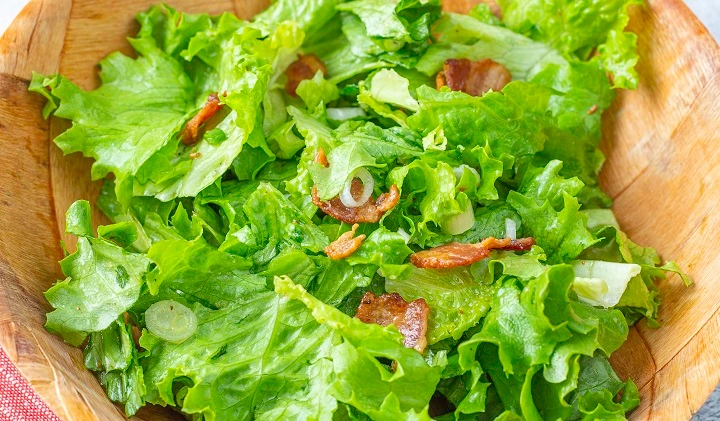

Some folks see an old-fashioned wilted lettuce recipe as nothing more than a way to use up greens before they go bad. A little vinegar, some hot drippings, maybe a pinch of salt. Simple enough. Yet that warm dressing changes more than flavor. Heat moves through the leaves, moisture shifts, and texture lands somewhere between fresh and cooked.
That sad-looking lettuce? It shows up now and then when people talk about old meals, nothing fancy. Near the back of your mind, maybe – you’ve seen it before, even if you didn’t notice. Cooked down with a splash of vinegar, topped with hot drippings, that’s how most know it best. Not raw brightness anymore, but something else entirely. Heat changes everything. So does waiting long enough.
Table of Contents
Simple Ingredients
| Ingredient | Purpose |
| Lettuce | Main ingredient and texture |
| Vinegar | Adds acidity and brightness |
| Bacon drippings | Adds richness and flavor |
| Salt | Enhances flavor |
| Shallots, optional | Adds depth and aroma |
| Sugar, optional | Softens sharp acidity |
What Happens When Lettuce Wilts?
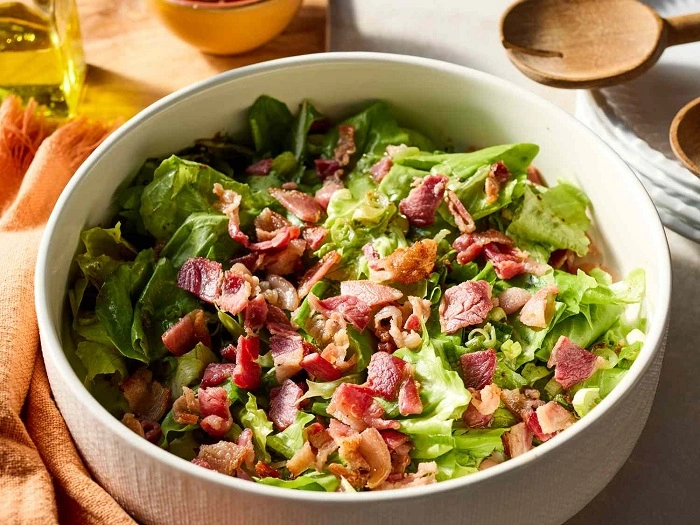
When heat hits lettuce, it does not turn sweet or soften like kale. Sudden warmth makes its cells burst open, pushing out moisture fast – like a plant gasping. Hot dressing touches the edge, then the whole leaf sinks inward, slower than spinach but quicker than you’d guess.
It holds form just long enough to feel different – not limp, not stiff. Romaine and butterleaf fight back slightly, packed tighter than iceberg kinds. That tiny push matters most when everything else has already given way.
Most people think wilted lettuce simply becomes soft. What really happens is more complicated. Water escapes, cell walls weaken, and the dressing begins moving into spaces that were sealed moments before.
Why Warm Dressing Works
Most people brush off the classic oil-and-vinegar drizzle as outdated. Yet it actually copies ancient methods of mixing without any whisking. Warmth from the skillet pushes fat-loving flavors out of frying bacon or shallots, moving them into the acidic liquid.
That mix slips into greens more quickly when hot, jolted by sudden temperature change. Cells crack open just a little, letting taste rush in – only until things cool down and shut tight once more.
Not many mention how fast wilted greens oxidize after dressing. Minutes after mixing, they darken just like sliced apples do. Dressings high in iron speed up the process through enzyme activity involving polyphenols.
Still, a little color shift can add complexity – often bringing subtle nuttiness, particularly when cider vinegar’s involved. Back then, chefs might have seen it as going bad instead of developing flavor.
Basic Old-Fashioned Wilted Lettuce Method
Ingredients
- Fresh lettuce
- Vinegar
- Bacon drippings
- Salt
- Optional shallots
- Optional sugar
Steps
- Wash and dry the lettuce thoroughly.
- Place the lettuce in a large bowl.
- Warm bacon drippings in a skillet.
- Stir vinegar into the hot drippings.
- Add shallots if using.
- Pour the warm dressing over the lettuce.
- Toss gently until the leaves begin to wilt.
- Add salt after dressing.
- Serve immediately.
Why This Recipe Became Popular
Here’s something often missed: old-style cooked lettuce probably didn’t start just because people wanted to save food, but because timing demanded it.
Back when trucks couldn’t keep things cold, young leafy greens arrived weeks before root vegetables ran out. A quick warm-up helped these delicate greens last more than a day or two.
Light heat also made them easier on the stomach for folks still adjusting to eating raw plants after winter – especially in houses without central warmth, where indoors felt almost like outside.
What seems old-fashioned now was once practical. The recipe solved problems before refrigeration became common. Over time, usefulness turned into tradition.
Why Wilted Lettuce Stayed Around
| Reason | Benefit |
| Seasonal greens | Used available produce |
| Limited refrigeration | Reduced waste |
| Easier digestion | Gentler than raw greens |
| Simple preparation | Required few ingredients |
Regional Variations
Out here, the dressing’s mix gives clues about local twists. East of the Mississippi, folks leaned into red wine vinegar – shows up most in those recipes.
Apple cider takes over out west, where fruit groves made sour stuff easier to come by. Sugar choices differ too, just a bit.
In parts of the South, molasses slips in now and then, leftover from refining, carrying faint nutrients that quietly shift how microbes act on stored portions later consumed against today’s advice.
A recipe may look nearly identical from place to place. Yet small ingredient swaps create entirely different results.
Regional Dressing Styles
- Red wine vinegar in many Eastern recipes
- Apple cider vinegar in Western versions
- Molasses in some Southern recipes
- Bacon drippings as the traditional fat
- Shallots or onions for added flavor
Why the Cooking Pan Matters
Choice of cooking tool plays a role. Not just because cast iron holds heat well, yet also due to how its seasoned layer passes flavor along. Tiny bits of fat work their way into food surfaces during use, shifting texture subtly.
When using stainless steel, sour notes come through more clearly. Heat moves unevenly across ceramic, leaving plant cells intact instead of breaking them down.
The dressing may contain the same ingredients, but the cooking surface changes how those ingredients behave.
Cooking Surface Comparison
| Pan Type | Effect |
| Cast Iron | Richer flavor and steady heat |
| Stainless Steel | Sharper acidic notes |
| Ceramic | Gentler heating |
| Nonstick | Neutral flavor contribution |
Salt Timing Changes the Texture
Most talks skip when to apply salt – it matters more than you think. Pour first, then sprinkle, keeps juice locked where cell walls give way.
Salt too soon pulls liquid early, leaving texture fragile ahead of the dressing. Such a small order change shifts how flavors stick.
The ingredients remain exactly the same. The only difference is timing. Yet timing often changes cooking more than quantity.
What Happens After It Sits
Tomorrow finds it tucked under cold cuts, maybe. A quiet thing, showing up where meals pause between decisions. Not quite discard, not quite meal – this green waits without praise. Decades pass like that.
A single experiment still lacks attention – dressed lettuce left under cover for four hours. Silkier textures appear, rare among raw greens. Umami hints show up, some notice, not from seasoning but proteins seeping out of animal fats while frying earlier.
The lettuce continues changing long after the dressing is added. What starts crisp becomes softer. What begins sharp becomes deeper. Time keeps working even after cooking stops.
Texture Changes Over Time
| Time | Result |
| Freshly Dressed | Bright and lightly wilted |
| 1 Hour Later | Softer texture |
| 4 Hours Later | Silkier consistency |
| Overnight | Much softer structure |
Common Mistakes to Avoid
| Mistake | What Happens |
| Adding salt too early | Texture weakens |
| Overheating the dressing | Lettuce collapses too quickly |
| Using wet lettuce | Dressing becomes diluted |
| Poor storage | Faster breakdown |
| Overdressing | Leaves become heavy |
Why Small Details Matter
A quiet thing keeps going, no announcement needed. Holding on shows up where you least expect – inside habits never named, warmed again in old pans, spilled hot across fresh greens.
Recipes like this survive because they rely on attention more than ingredients. The lettuce matters. The vinegar matters. The heat matters. Yet the small moments between those steps matter too.
Warm dressing arrives at the right second. Salt waits its turn. The leaves soften without disappearing. None of it feels dramatic while it happens. That is exactly why people keep making it.
This dish never needed attention to survive. It stayed because it worked. Warm dressing met fresh greens, and together they became something neither could be alone.
Bake it wrong, yet it still tells you something. This dish talks back. Pay attention when the lettuce softens. The lesson is usually there long before the plate is empty.