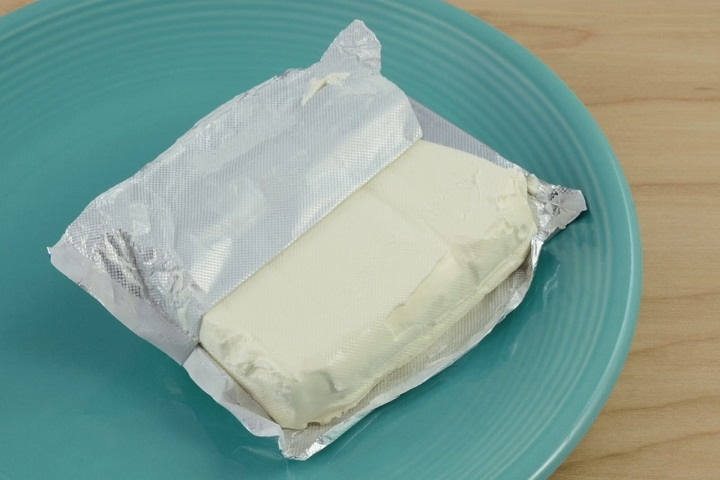

Blue cheese crumbles are sharp, rich and savory. They are excellent for salads, burgers, pastas and so on. However, what happens if you have too many? Maybe you picked a good deal and bought tons of it or maybe you opened one of those packages and didn’t get to eat them all. So, a simple but helpful question is: can you freeze blue cheese crumbles?
The answer is yes—you can freeze blue cheese crumbles. But there are a few things you need to know first. In this blog, we’ll talk about the impact of freezing on taste and texture, how to thaw and freeze well, its shelf life, and how to use frozen crumbles in meals.
Let’s get into all the gory cheesy details.
Table of Contents
What Exactly Are Blue Cheese Crumbles?
A Tangy Cheese with a Bold Personality
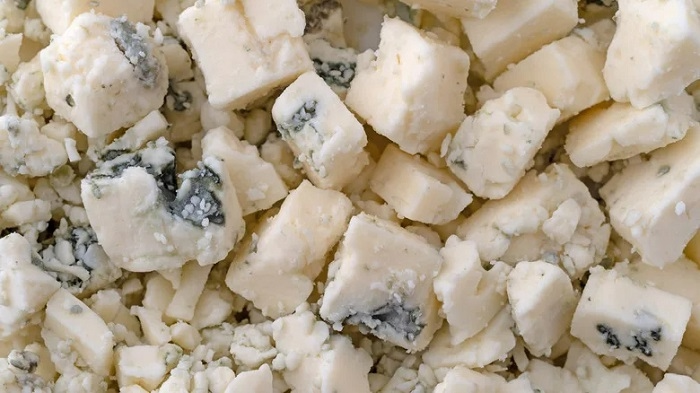
Blue cheese is a variety of cheese that is produced through the use of Penicillium cultures. That is a specific type of mold.
That creates the classic blue or green veins and strong smell of blue cheese. Blue cheese crumbles are just chunks of this cheese which have been cut up into small pieces, ready to be sprinkled on food.
Common Types of Blue Cheese
Some common types of blue cheese that are used for crumbling are:
- Gorgonzola – Creamy with a subtle sweetness
- Roquefort – Sheep milk, creamy and pungent and salty
- Stilton – Crumbly and with a slightly nutty flavor
- Danish Blue – Strong and pungent
They are all varying textures and strength of flavor but all that unmistakable “blue” zing.
Can You Freeze Blue Cheese Crumbles?
Short Answer: Yes, You Can
Blue cheese crumbles freeze well. That being said, the consistency and at times even flavor change. When the cheese is going to be used in a cooked recipe, freezing works best. It may be a little crumblier or drier if you intend to use it on a fresh salad after thawing.
Despite all of that, freezing is a fantastic method to increase shelf life and prevent waste. You’ll just need to use your cheese in a different way; you won’t be ruining it.
What is Blue Cheese Like When It’s Frozen?
Texture When Frozen
Frozen blue cheese has the moisture separate to a degree. That is, after thawing, the crumbles may become harder or drier. The same soft, creamy chew that you would get when fresh won’t be possible.
Flavor When Frozen
The assertive sharp flavor can mellow out after long term storage in the freezer. But don’t panic It will still be good enough to eat in pasta, burgers or bread recipes.
Is It Still Safe?
Yes. Blue cheese is safe to freeze. It’s perfectly safe to eat as long as you store it properly and freeze it before it spoils.
How to Freeze Blue Cheese Crumbles the Right Way
It’s easy to freeze blue cheese but getting it just right makes all the difference. This is how do it:
Step by Step Instructions
- Take out the portion: Refrigerate in small portions, not one large portion. That way you thaw only what you need.
- Wrap Tightly: Wrap each portion tightly with plastic wrap. You can also use parchment paper. This prevents freezer burn.
- Store Airtight: Move wrapped portions to a freezer safe zip bag or container. Squeeze out air as much as possible.
- Date and Label It: Be sure to label it with the date so you will know when it’s been frozen.
- Freeze Flat: Freeze on a flat surface first. Once hard, stack the containers.
Bonus Tip
Vacuum sealing will extend the life of your crumbles. If you frequently freeze cheese, a vacuum sealer is a great investment.
How Long Can You Freeze Blue Cheese Crumbles?
Blue cheese crumbles will keep for 6 months. Beyond that, the quality, especially the taste and texture, will start to deteriorate.
| Storage Method | How Long It Lasts |
| In the Fridge (opened) | 1–2 weeks |
| In the Freezer | Up to 6 months |
| Vacuum Sealed | Up to 8 months |
If you use the cheese in 3-4 months you will enjoy the optimal taste and texture.
How to Thaw Blue Cheese Crumbles from Frozen
Best Technique: Refrigerator Thawing
Take out the amount you require from the freezer and place it in the refrigerator. Let it thaw overnight slowly. It helps maintain the best texture and prevents spoilage.
Use It Frozen in Recipes
If you are applying the cheese to a hot dish, you don’t have to thaw it first. Simply add the frozen crumbles to your pan oven dish or pot.
What Not to Do
- Do not thaw it at room temperature it may spoil.
- Do not microwave it this will ruin the texture.
How to Tell If Blue Cheese Has Gone Bad
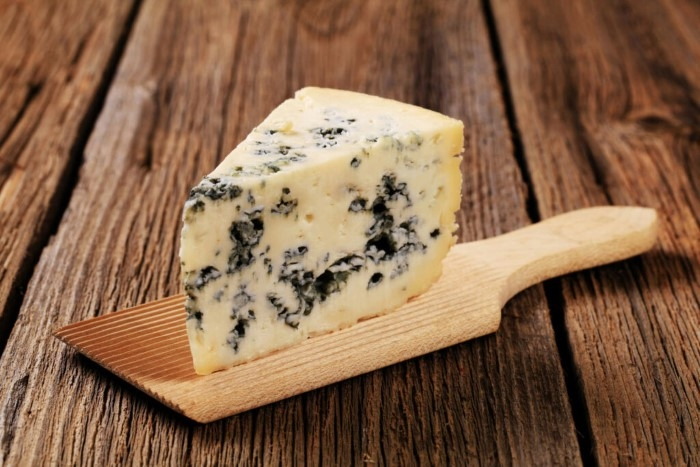
Even if it’s been in the freezer, blue cheese can go bad. Particularly if it wasn’t stored well.
Here’s what to look for:
- Bad smell: A strong ammonia or sour odor an indication it’s gone bad.
- Strange colors: If you see pink, brown, fuzzy mold and toss.
- Slimy texture: That’s a no. Fresh cheese is firm or crumbly, not sticky.
If in doubt, it’s always best to err on the side of caution.
How to Use Thawed Blue Cheese Crumbles
After thawing your cheese will not be best suited for cold dishes, but it is still great in cooked uses. Some easy ideas include:
- Blue Cheese Pasta: Melt into cream sauce for a tangy finish
- Burgers: Sprinkle crumbles over your patties in the final minute of cooking
- Baked Mac and Cheese: Mix into your cheese sauce prior to baking
- Loaded Potatoes: Spoon over warm baked potatoes with sour cream
- Blue Cheese Omelet: Combine with spinach and eggs for an indulgent breakfast
Cooking rehydrates any dryness and frees the flavor again.
Can You Freeze Blue Cheese Dressing?
Technically, Yes But It’s Not Best
What Happens?
Dressings separate when frozen. Oil and cream don’t freeze in the same way. Once thawed the consistency may be lumpy or watery.
Solution
If you do freeze it, blend or whisk it after thawing to regain the texture. Serve as a dip or in wraps not on fresh salads.
Alternatives to Freezing
If you don’t wish to freeze cheese, use these alternative ideas for using it up before it goes bad:
- Prepare a large amount of dressing and keep it in the fridge for the week
- Spoon over roasted vegetables for a sophisticated side dish
- Mix into compound butter with garlic and parsley—freeze the butter instead
- Combine with sautéed cauliflower for a low carb cheesy substitute
- Give it away—yes, your cheese aficionado will adore it
Get creative in the kitchen, and you’ll never have to freeze it again.
Freezing Other Moldy Cheeses
Wondering if you can freeze other cheeses like blue cheese? Here’s a quick primer:
| Cheese Type | Freezable? | Notes |
| Gorgonzola | Yes | Same process as blue cheese |
| Stilton | Yes | |
| Roquefort | Yes | Flavorful after freezing |
| Camembert/Brie | Not Recommended | Texture is severely impacted |
Use only semi hard and crumbly cheeses for freezing.
Frequently Asked Questions (FAQs) About: Freezing Blue Cheese Crumbles
Can blue cheese crumbles from the store be frozen?
Sure, Simply place them in a freeze.
Will blue cheese which has been frozen taste good?
Yes, particularly in prepared foods. It will still taste great but lose some of its edge.
After melting, is blue cheese safe to consume?
Yes, provided it was frozen correctly and isn’t degeneration.
Is it possible to freeze blue cheese as a slide rather than crumbles?
Indeed. Cut into tiny pieces, properly wrapper, and then freeze. Once defrosted, it can be crumbled.
After defrosting, can I refreeze blue cheese?
No. Use within two to three days after defrosting do not refreeze.
To Freeze or Not to Freeze Blue Cheese Crumbles
Crumbled blue cheese is a great way to freeze it. It’s an easy method to extend the shelf life of the cheese, cut down on waste and save money. Most recipes maintain the flavor even though some of the creaminess is lost. Freezing is a useful tip if you enjoy blue cheese but don’t always finish the container.
Just be sure to gradually defrost it in the refrigerator. And serve it up in hot dishes for best results. Top a burger, toss with pasta or create a casserole frozen blue cheese still packs a bite.
So yes—by all means, freeze those crumbles. Your future self will thank you.