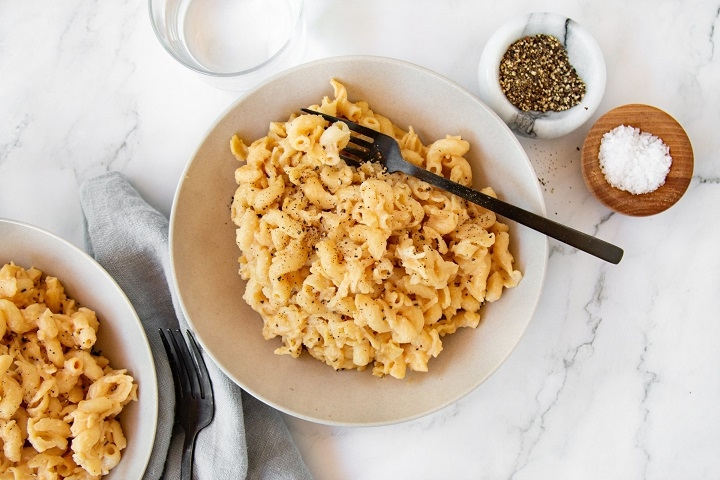

Out here, mac and cheese isn’t just comfort. It holds up when days get heavy. Not flashy. Just steady, like a meal that keeps pace with bodies asking for more. When healing pulls harder than hunger, taste takes a back seat. Older folks fighting muscle loss, people coming off illness, those training hard, all nodding at the same truth: full doesn’t mean fueled. Labels? Nobody’s impressed. What sticks is what sustains. Others are catching on too, after lunch left them drained by three.
Table of Contents
Why High Protein Mac and Cheese Matters
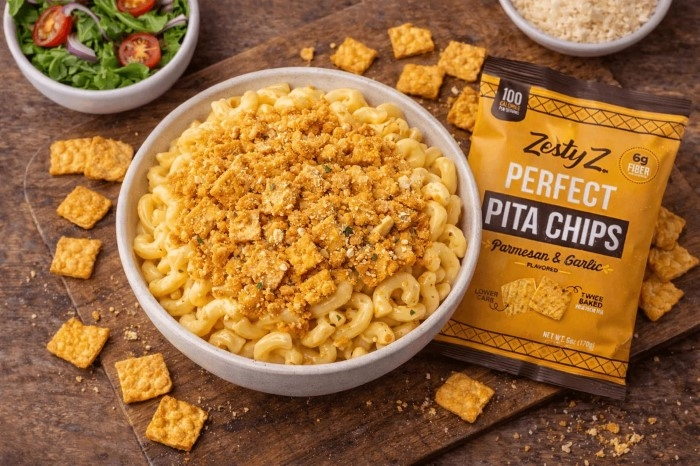
A typical box gives you roughly 10 grams of protein in one go. Less shows up than what you get from a single boiled egg. Missing that mark matters more than it seems. Starting past thirty, muscles shrink between 3 and 8 percent every ten years. Speed picks up once sixty rolls around. Eating enough protein helps hold things together. Still, people keep turning back to mac and cheese, full on nostalgia yet low when it counts inside the body. Changing how it works doesn’t mean starting over. It means swapping pieces based on what the gut can use and whether the bite still feels right.
Best Pasta for High Protein Mac and Cheese
Out of the gate, pasta sets the stage. Made from durum wheat semolina, it brings a firm structure, yet just around 5 grams of protein in a cooked cup. Other paths open up. Take lentil-based versions: close to 22 grams show up per serving. Chickpea types land at about 21. Not made in labs, they come from ground beans pressed into shapes you know.
Because of how their starch is built, lower in amylose and higher in dissolvable fiber, the way they thicken and set changes. Too much heat turns them soft beyond repair. Here’s what helps: shorten boiling by two minutes compared to the label’s suggestion. Stop right after draining. Rinse? That step does more harm than good. The thin layer of starch left on holds sauces better, a small thing that matters most when dairy-free binders are in play.
| Pasta Type | Protein Role | Cooking Note |
| Regular pasta | Lower protein | Holds shape well |
| Lentil pasta | Higher protein | Cook slightly less |
| Chickpea pasta | Higher protein | Can soften fast |
| Bean-based pasta | Adds fiber too | Do not overboil |
Cheese Choices That Add More Protein
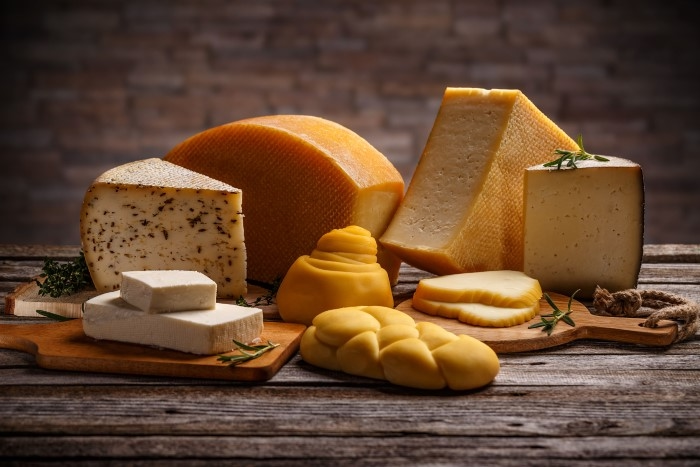
Next up, the cheese choice changes. Not every bite needs sharpness. Cheddar brings taste, yet only packs 7 grams of protein in a 42-gram piece. Try mixing in cottage cheese with less water. It matches that protein amount and melts smooth when warmed gently. Drained ricotta might fit too, given time in a cloth overnight. Water activity rises with both, meaning less milk should go in. Though Parmesan won’t bulk things up, its glutamates sharpen the sense of creaminess when fat levels drop.
High Protein Sauce Ingredients
| Ingredient | Why It Helps |
| Cottage cheese | Adds protein and smooth body |
| Greek yogurt | Adds protein and moisture |
| Ricotta | Adds creamy texture |
| Parmesan | Boosts savory flavor |
| Egg yolk | Helps bind fat and water |
| White beans | Adds hidden protein and body |
| Edamame | Adds plant protein |
Greek Yogurt in the Sauce
Cohesion comes down to what holds things together. Instead of just using flour mixed with fat, try something different. Swap out half the butter for Greek yogurt if you want more protein but keep moisture. The rich kind brings tiny particles called casein micelles along. These help the mixture stay blended even when it gets hot. Start by stirring chilled yogurt slowly into gently heated sauce, never boiling, to keep it smooth. What stops the mix from splitting ties back to how phosphate groups in milk proteins hang onto calcium, just enough to hold together. This same idea shows up in store-bought melted cheese, only there they add stuff. Here it works naturally.
Egg Yolks for Smoothness
Maybe add egg yolks. Each two portions can take one yolk, bringing 3 grams of protein along with lecithin, a substance that helps mix fat and water for a brief time when heated. Found in sunflower seeds and soy too, lecithin keeps texture smooth even if less fat goes in. To keep things right, warm the yolks slowly. Mix in spoonfuls of hot liquid first before blending them completely into the dish. Heat them straight, though, and they’ll turn lumpy instead.
Nutritional Yeast for Extra Protein
That yellow powder shows up in vegan dishes now and then. Packed with B vitamins, a quarter cup gives eight grams of protein, though it lacks full amino acid balance. Not much methionine sits inside. It works best when sprinkled lightly instead of carrying the meal. Hide it under bold cheese flavors and the sharp edge fades.
Beans and Edamame in Mac and Cheese
Most high-protein dishes overlook cooked edamame, even though it slips right in without fuss. A half-cup of the shelled kind brings 8.5 grams of protein. Steam before blending for smooth sauces. White beans work just as well, especially cannellini, which tinker less with plant compounds. Mustard or Worcestershire helps keep flavor steady. One small spoon does fine. Watch salt closely. Cans sometimes pack more than 400 mg per portion. Pureed versions hide in recipes quietly.
Simple High Protein Mac and Cheese Method
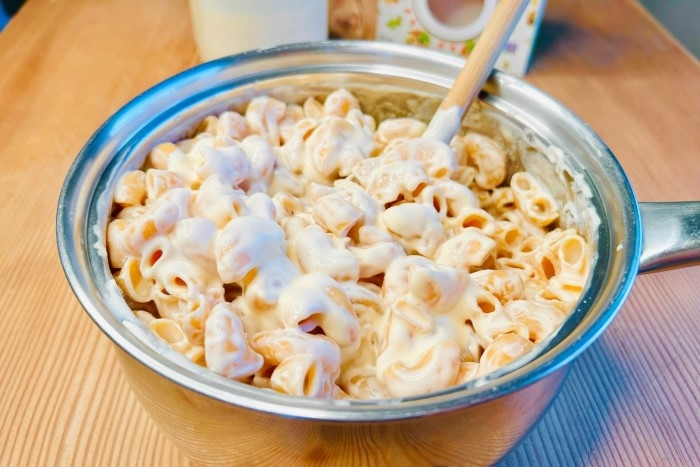
Ingredients
- High-protein pasta, such as lentil or chickpea pasta
- Cottage cheese or drained ricotta
- Greek yogurt
- Cheddar
- Parmesan
- Optional egg yolk
- Optional white beans or edamame
- Mustard or Worcestershire
- Salt and pepper
- Optional pork skin crumbs for topping
Steps
- Boil the pasta two minutes less than the package says.
- Drain it, but do not rinse.
- Warm the cheese sauce gently.
- Stir in cottage cheese or ricotta.
- Add Greek yogurt slowly, away from high heat.
- Temper the egg yolk if using.
- Fold in pasta.
- Add blended beans or edamame if desired.
- Move to an oven-safe dish.
- Add topping if using.
- Bake at 350°F or 180°C for about 12 minutes.
- Rest for five minutes before serving.
A Crunchy High Protein Topping
Golden sizzle starts when the pan meets the food. Slide what’s cooking on the stove into a dish that can go in the oven. Sprinkle broken pork skin crumbs over the top. No breadcrumb substitute needed here. Carbs? Not one gram shows up. Each ounce packs seven grams of muscle-friendly stuff. Heat it through at 180°C, or 350°F, for about twelve minutes. That is just long enough for little golden blisters to rise. Out of sugar meeting amino acids come melanoidins. No caramel here, that needs more heat. When color deepens, it is Maillard at work, adding richness while holding back crunch.
Why Resting Matters
After baking, wait five minutes. Viscosity settles during this pause. The proteins let go of tension. Water moves more evenly through the dish. Serving right away could mean a mess on the plate.
Protein Breakdown
Here’s how it breaks down. One serving delivers nearly 35 grams of protein. That amount fits well for people trying to support muscle growth and recovery. Spreading intake through the day counts more than precise scheduling. Even so, most people ignore it. Routine wins over results.
| Version | Protein Level |
| Regular boxed mac and cheese | Around 10 grams |
| High-protein pasta version | Much higher |
| With Greek yogurt | Adds more protein |
| With cottage cheese | Adds more protein and creaminess |
| With beans or edamame | Adds plant protein |
| Full high-protein version | Around 35 grams per serving |
Taste and Texture Changes
Taste might seem off at first. Yet hidden tests show few notice changes if shifts happen slowly. After just a few tries, liking tends to shift. The feel of food bothers people less over time compared to how it tastes. What stands out early often blends into normal later.
Why It Keeps You Full Longer
Some find it keeps hunger away a bit longer. Different aim than older forms, that is all. Sugar levels rise slower now. Fiber went up, processed carbs came down. Nothing here replaces treatment. Digestion just behaves differently, nothing more.
Reheating High Protein Mac and Cheese
Food heats up differently the second time around. Waves inside the microwave tangle delicate protein strands. Mixing it partway smooths things out. Clumped proteins feel gritty on the tongue, an issue seen often when warming milk-based dishes. Starting fresh gives better results.
Common Mistakes to Avoid
| Mistake | What Happens |
| Overcooking bean pasta | It turns too soft |
| Boiling Greek yogurt | Sauce may split |
| Adding egg yolk directly | It can turn lumpy |
| Using too much milk | Sauce becomes loose |
| Skipping rest time | Texture may look messy |
| Reheating too fast | Sauce may turn gritty |
Why This Recipe Is Practical
Most people can find these items on store shelves. It is not built around complex supplements. Strange chemical names do not show up here. Knowing what works matters more than getting it. Limits come more from knowledge gaps than access.
FAQs
How much protein can high protein mac and cheese have ?
A full high-protein version can reach around 35 grams of protein per serving.
What pasta is best for high protein mac and cheese ?
Lentil pasta and chickpea pasta work well because they contain more protein than regular pasta.
Can I use Greek yogurt in mac and cheese ?
Yes, but stir it in gently and avoid boiling it.
Can cottage cheese melt into mac and cheese ?
Yes. Cottage cheese can blend smoothly when warmed gently, especially if it has less water.
Why should I not rinse high-protein pasta ?
The starch left on the pasta helps the sauce cling better.
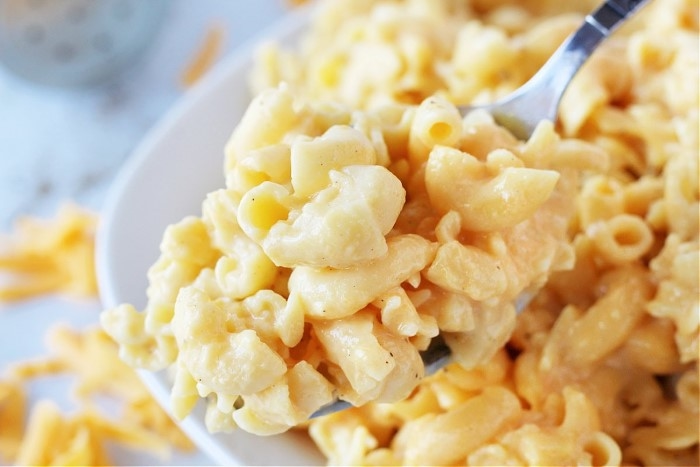
A dish sits alone, built for function but somehow charming. Looks like gooey noodles under melted cheese – sure – but doesn’t play out that way once you dig in. Deep inside, it feeds the body much like a quiet moment soothes thought.