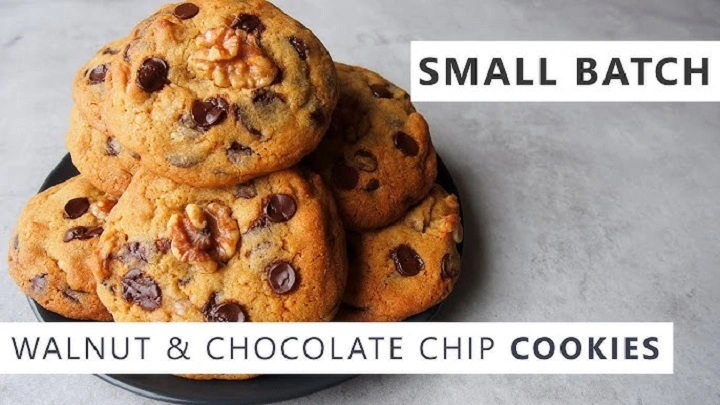

One cookie at a time can feel strange. Cookies usually travel in groups, passed around like stories. Still, making fewer has caught on, not because of trends, but because it fits how some people actually live. Big batches shout celebration; tiny ones whisper comfort. The number baked alters more than quantity. It adjusts why you’re even standing there, flour on your fingers.
Table of Contents
Why Make a Small Batch of Chocolate Chip Cookies?
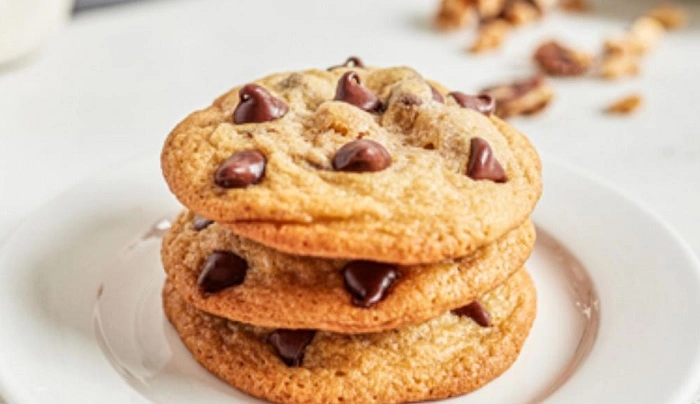
Most recipes expect you to make too much. They are built around parties, family dinners, and holiday crowds.
Yet not every moment fits that shape. Sometimes it is just a single cookie, fresh from the oven, split apart and savored piece by piece near the sink, eyes on the yard.
That quiet ritual shifts the weight. It is not eating so much as pausing, making room where nothing else allows stillness.
Why Small Batch Baking Is Different
Downsizing changes how things work in quiet but clear ways. Instead of cups, using teaspoons shifts how flour acts entirely.
Small piles hold damp air tighter, almost like they resist letting go. The curve of a bowl matters more when everything is tiny. Fats mix unevenly if the bowl is too shallow.
These are not mistakes. They are hints. Being exact takes on a different meaning when portions shrink.
Small Batch Cookie Ingredients
| Ingredient | Amount | Purpose |
| Softened butter | ½ tablespoon | Adds richness and spread |
| Brown sugar | ¼ teaspoon | Adds depth and moisture |
| Granulated sugar | A small pinch | Adds sweetness and edge |
| Egg yolk | A small amount | Adds fat and binding |
| Vanilla extract | Half a dash | Adds aroma |
| Flour | 3 tablespoons | Builds structure |
| Flaky sea salt | ⅛ teaspoon | Balances sweetness |
| Chopped chocolate | Small handful | Adds melted pockets |
Start with Softened Butter
Butter that gives slightly when pressed is what you want. Melted butter will soak in too fast. Cold butter resists blending. Only softened butter works right here.
Tiny amounts mean every detail counts more than usual. Big recipes hide tiny errors. Small ones expose them.
Use half a tablespoon, sliced into bits like peas. Leave it on the counter. Wait a full twenty minutes before moving on.
When it is warmer outside, things might take shorter. Press softly to test. It should give a little, but keep some firmness too.
Add the Sugars
A bit of brown sugar goes in first, just a quarter teaspoon. Then toss in some granulated sugar, barely any at all.
That tiny amount will not fit neatly into measuring tools. Better to grab it with your fingertips. Lift a small mound, then let what slips off return to the bowl.
Stir things together until they lighten in color and feel slightly rough between your fingers.
Go too long and you will whip up bubbles that wreck how the mix spreads later.
Use Egg Yolk, Not the Whole Egg
A bit of yellow from one little egg comes next. Toss the clear part or set it aside for later.
Fat and blending helpers arrive with yolks, improving feel while skipping soggy results.
Water sneaks in if you use full eggs. It is too much for small batches. Vinegar or milk might swap in, some say, yet they shift acidity and crust color for no good reason.
Just go with yolk.
Also Read: 3 Ingredient Biscuit Recipe with Milk
Add Vanilla Carefully
Half a dash of vanilla extract is enough. Alcohol rides along when you bake, lifting flavor into the mix.
A bit vanishes without trace if skimped. Overdo it and bitterness stays put.
Drops differ in size, so guess low when unsure. Missing it beats fighting what lingers.
Add the Flour
Start by adding three tablespoons of regular flour, but sift it first.
This step is not some kitchen ceremony. Tiny shakes during storage pack the flour tight. Without sifting, those dense bits throw off small measurements fast.
A single clump might sneak in twice the gluten meant for the mix. The result? Baked goods turn out tough.
Stop once the flour vanishes into the mix. Too much stirring wakes up the gluten too soon. Mistakes stick around. No fixing them later.
Add Chocolate Near the End
Bake time nears its end before adding chocolate. Chopped bars work better than chips, mostly because they lack extra additives.
Stabilizers hide inside chips. Those keep them from melting too soon. Real melting happens when bar pieces break down into smooth bursts of flavor.
Start small. Think uneven. Picture a piece like a coin, then sprinkle in a few specks no bigger than paper scraps.
Where things sit changes how warmth moves through them. Pile pieces too close, and heat gathers in spots, leaving borders weak.
Edges stretch thin when chunks bunch together.
Chill the Dough
Start by cooling the dough for a quarter hour. It has to happen.
Chilled dough resists spreading too fast, so it stays thick. Skip the chill step, and the butter moves around freely, baking into oily rings with brittle cookies.
Use wax paper when wrapping. Fridges differ inside. Older ones turn frostier toward the rear.
Bake the Cookie
Bake at 350°F, or 175°C.
Unlike gas, electric heats up more quickly. A separate thermometer should sit close to where the pan rests. Dials often show wrong temps, and older ovens are worse.
Dough goes onto a sheet pan covered with baking paper. Pads made of silicone block heat, so crispy textures form slower.
Because metal spreads warmth uniformly, cooking tends to be more consistent. Put the rack in the middle spot by default.
Either top or bottom placement changes how food meets heat, sometimes drastically.
Baking Time Guide
| Time | What Happens |
| 0 to 6 minutes | Dough begins to spread |
| 7 minutes | Edges start to show color |
| 8 to 9 minutes | Center stays soft, edges set |
| After baking | Heat finishes the cookie |
| 5 minutes cooling | Texture settles before eating |
Start baking. Nine minutes pass. A timer clicks into place.
From minute seven onward, eyes stay locked. The edges gain just a hint of shade. At the center, dough stays soft.
Heat lingering inside completes the work after pulling it out.
Wait past the moment, and wetness slips away fast. One full minute lingers on the heated tray. Motion delayed means extra warmth builds.
That added firmness shows up when it was never asked for.
Do Not Forget the Salt
Wait at least five minutes after cooking before you take a bite. Heat brings out salty flavors more than expected.
While we are here, have you remembered the salt? Small recipes often leave it out by mistake.
Try adding ⅛ teaspoon of flaky sea salt right into the dry mix. Not sprinkled above. Hidden inside.
Without salt, sweetness lacks depth. Contrast shapes it. Flatness follows when that edge goes missing, despite sugar’s presence.
Why Two Cookies Can Be Enough
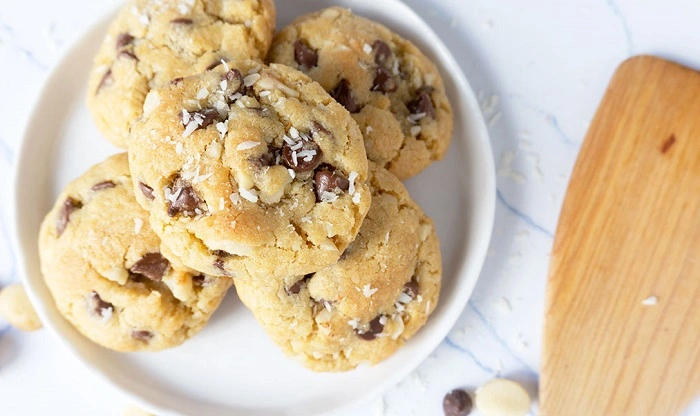
Two cookies might seem too small a reason. Yet it was never about saving time.
What matters here is command over moments. Emotional balance can come through repeated steps.
A measuring spoon turns into something thoughtful. The wait before baking feels like stopping on purpose.
This activity defies output culture. It offers space to act just because it feels right.
Storage Tips
Most won’t last long enough to worry about storage. Evening light usually finishes them off.
When needed, seal each one well in foil first. Then tuck inside a closed box with tight edges.
Cold air changes how they feel and makes surfaces stiff by morning. A shelf spot holds their shape just under half a day.
Chilling uncooked rounds before baking does more good. That method lives elsewhere.
Common Mistakes to Avoid
| Mistake | What Happens |
| Using melted butter | Cookie spreads too fast |
| Using a whole egg | Dough turns too wet |
| Skipping the chill | Cookie gets oily and thin |
| Overmixing flour | Texture turns tough |
| Baking too long | Center dries out |
| Forgetting salt | Flavor tastes flat |
Quick Small Batch Cookie Steps
- Soften the butter.
- Mix in brown sugar and a small pinch of white sugar.
- Add egg yolk.
- Add a tiny amount of vanilla.
- Stir in sifted flour and salt.
- Fold in chopped chocolate.
- Chill for 15 minutes.
- Bake at 350°F for about 9 minutes.
- Cool for at least 5 minutes.
(FAQs) About Chocolate Chip Cookie Recipe Small Batch
How many cookies does this small batch make ?
It makes about one or two cookies, depending on how large you shape them.
Can I use a whole egg ?
No, a whole egg adds too much water for such a small batch. Use yolk instead.
Do I need to chill the dough ?
Yes. Chilling helps stop the cookie from spreading too much.
Can I use chocolate chips ?
Yes, but chopped chocolate melts better and gives softer pockets.
Why did my small batch cookie turn hard ?
It may have been overmixed, overbaked, or left too long on the hot tray.
Final Thoughts
This way of doing things will not satisfy a large group. It does not earn praise in cooking contests. You will never see it in shiny lifestyle spreads.
Still, something steady remains beneath the surface.
When what you need is not food but time, a moment hidden behind a sweet tooth, this small act holds space. Timing matters more than size. This one works right there, just when things get real. Small, near, ready. Not big, never late.