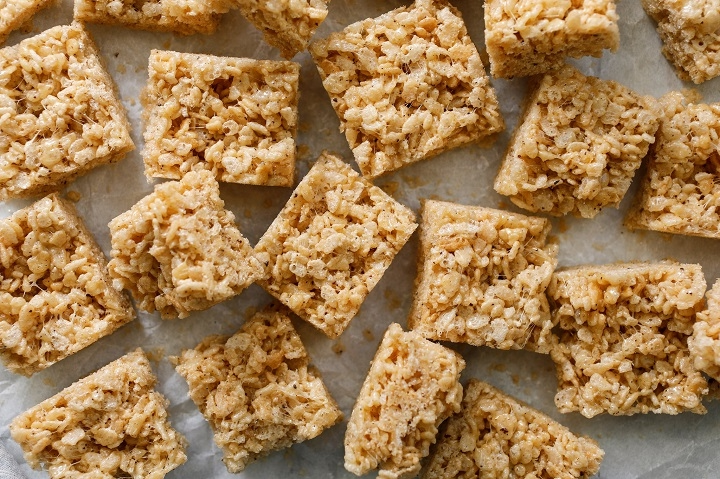

Those brown butter rice krispie treats do more than tweak tradition. Hidden chemistry quietly reshapes both mouthfeel and recollection. While many see browning only as a taste boost, its influence spreads further. Moisture stays locked longer when butter transforms. Over days, the way cereal softens shifts. The usual brittle break fades slower now. Butter kicks things off – no sugar, no marshmallows in sight. Heat rises, slow and steady. Steam escapes into the air. Bits of milk settle at the bottom, browning under warmth. Not only Maillard reactions happen here, yet a touch of breakdown too. A smell like roasted nuts fills space. That aroma changes how everything feels before the first bite even happens.
Table of Contents
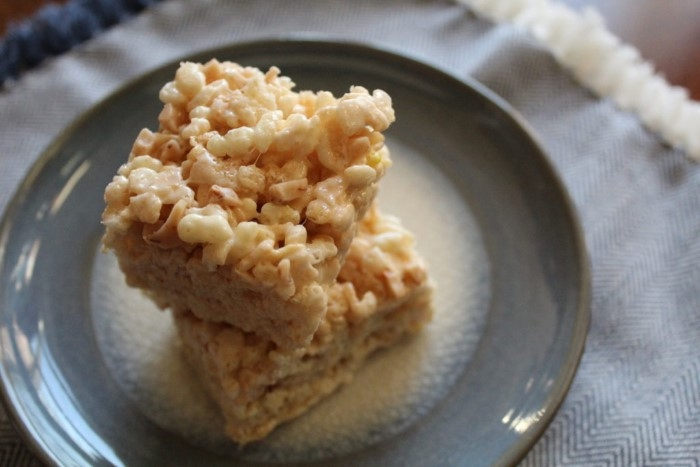
Brown Butter Rice Krispie Treats Simple Ingredients
| Ingredient | Purpose |
| Butter | Creates rich brown butter flavor |
| Marshmallows | Holds everything together |
| Rice Krispies cereal | Adds crunch and structure |
| Sea salt | Balances sweetness |
| Parchment paper | Helps with easy removal |
Why Brown Butter Changes the Texture
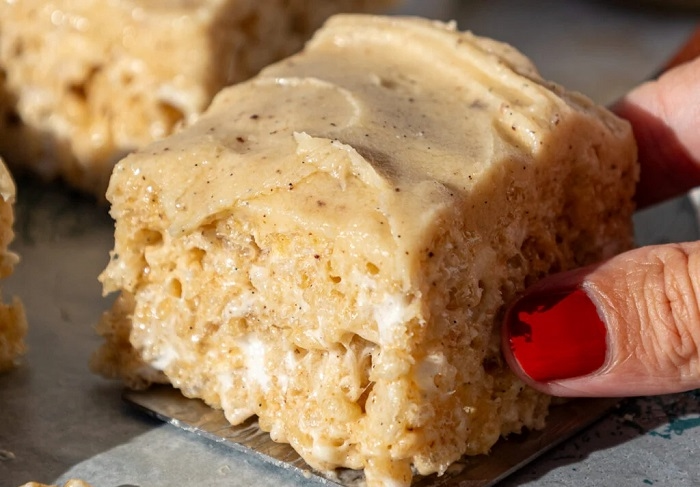
Most Rice Krispie snacks fall apart if the glue stuff isn’t spread right. Not enough holds things together and pieces break off easily. Pour in too much and the whole thing turns heavy. Now, when butter gets toasted till nutty, the goo changes how it sticks. It spreads smoother and covers more spots evenly. Even though less syrup grabs onto each bit, the gaps shrink during setup. Everything chews the same way throughout. No soggy zones. No dry pockets. Just a steady texture from edge to edge.
Why They Stay Crunchy Longer
Here’s something most people overlook about old-school cooking tricks: starch in grains can turn stiff again after absorbing dampness. That shift happens slowly, turning crisp things chewy. Take Kellogg’s Rice Krispies. They get their distinct taste from barley-based malt, which holds tiny bits of sugar ready to attract moisture. Usually, that spells mushiness fast. Sometimes in under a day. But swap in browned butter and fat coats every little puff more completely. Water takes longer sneaking in. The result stays crunchier longer, even if it will not last forever.
Brown Butter vs Regular Butter
| Type | Result |
| Regular Butter | Softer texture sooner |
| Brown Butter | Longer-lasting crunch |
| Margarine | Less flavor |
| Ghee | Missing browned milk solids |
Basic Brown Butter Rice Krispie Treats Method
Ingredients
- 1 cup butter
- 10 cups Kellogg’s Rice Krispies
- 10-ounce package marshmallows
- Pinch of fine sea salt
Steps
- Melt the butter slowly in a wide pot.
- Stir occasionally as bubbles rise and fade.
- Watch for brown flecks at the bottom.
- Remove once the aroma becomes nutty.
- Transfer the browned butter to a heat-safe bowl.
- Melt the marshmallows in the empty pan.
- Add the sea salt.
- Stir in all the browned butter.
- Mix until smooth.
- Pour over the cereal.
- Fold gently until coated.
- Press into a lined 9×13-inch pan.
- Let cool for 30 minutes.
- Slice into squares.
Browning the Butter Properly
A wide-based pot works best here. Inside it, let a full cup of butter soften slowly on low-to-medium warmth. Give it a mix now and then as bubbles climb up, later sinking back down. Look close when tiny brown flecks appear underneath. That change happens between six and nine minutes. Once the scent becomes warm and nutty, take it off right away. Transfer everything – milk bits included – to a bowl that can handle high heat. The browned bits matter. Leaving them behind means leaving flavor behind too.
Why Marshmallows Matter
Keep stirring nonstop until everything melts completely. Not all parts turn liquid at once. Marshmallows resist even flow. Later on, smoothness follows clumping. Wait it out. Turning the heat higher won’t help. Heat that’s too high breaks down the glue inside marshmallows. When warmth stays gentle, the mix flows well. The result feels even, never lumpy. Some people attempt homemade marshmallows, but when blended with caramelized butter, humidity often causes issues. Out there, the ones you buy ready-made tend to perform best. They’ve got ingredients like corn syrup mixed with dextrose and altered starches – these keep everything smooth when melting.
Pressing the Mixture Into the Pan
Start by moving the mix into a 9×13-inch pan already fitted with parchment. Let the paper extend beyond the edges on two opposite sides. Lay a second piece right over the top when compressing. Apply steady, even pressure. Do not rush it. Touching the sticky layer directly usually creates a mess. The parchment sandwich keeps everything smooth. Warm treats fall apart easily. Waiting thirty minutes before cutting makes a noticeable difference.
Easy Pressing Tips
- Use parchment paper.
- Press gently.
- Avoid compacting too hard.
- Let cool fully before slicing.
- Wipe the knife between cuts.
Why the Cereal Matters
Yet choosing a breakfast grain locks you into just that type. Nameless puffed rice varies in how thick it is, also what it feels like on your fingers. Some grains come covered in oil. That unseen layer gathers, messing with absorption down the line. One batch follows another, yet Kellogg’s Rice Krispies never shift their feel. Crunch comes through each time just as expected. Shape holds steady without surprise. Texture lands the same way every single round. Most folks underestimate how much it helps to stick with the same way every time you mix a few simple things into something sweet.
Storing Brown Butter Rice Krispie Treats
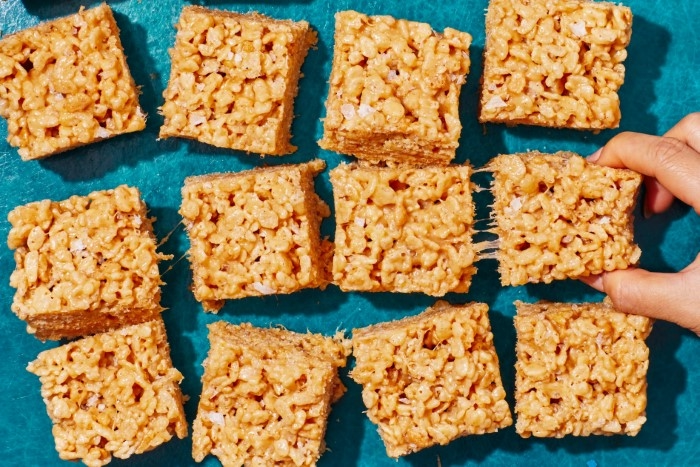
A single batch makes roughly sixteen regular-sized squares. Between each layer, slip wax paper inside a sealed container. No need to refrigerate them. Keeping them cold then warming them later invites moisture buildup. Room temperature storage works better. Humidity plays a role too. Too much moisture in the air can soften them faster than expected.
Storage Guide
| Storage Method | Result |
| Countertop | Best texture |
| Refrigerator | More moisture buildup |
| Sealed Container | Longer freshness |
| Wax Paper Layers | Prevent sticking |
Why Small Changes Matter
Surprise winners these snacks are not. Yet tiny tweaks shift how things hold together when you bite into them. Flavor hits most folks right away – its richness, its glow – while the hidden framework shaping smoothness slips by unnoticed. Still, kids gobble them down fast. Some grown-ups set a portion aside just to see what changes by daylight. Come sunrise, standard ones tend to be soggy deep inside. This kind stays tougher than expected. Not flawless. Yet close enough to matter. Most are not healthier. They carry roughly the same calories and the same sweetness. Only altered in small ways that quietly add up.
Some folks might not call them different at all. Yet when someone tries both, they sometimes stop chewing halfway through. It hits a little strange – yet somehow right. Hard to say why. After that quiet moment, they just reach for more. The change is not dramatic. It does not reinvent the recipe. Instead, it works underneath everything else. Texture shifts slower. Flavor settles deeper. Freshness stretches a little longer. Nothing loud. Just a small adjustment that keeps proving itself bite after bite.