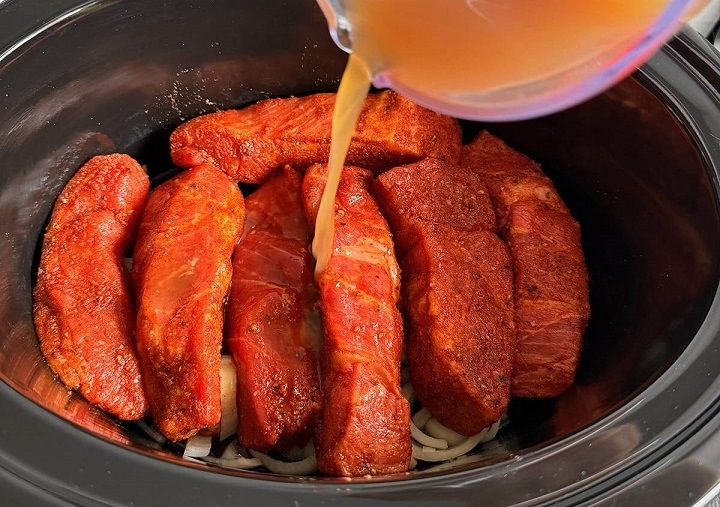

From the front part of the loin close to the shoulder these ribs are carved, not from the rib area at all. Moist heat over long periods works best since there is plenty of fat and tough fibers woven throughout. Without actual rib bones slicing through every portion, their structure feels different. Shoulder blade fragments sometimes show up inside, changing how the meat breaks down when cooked. Called country-style because of old-fashioned cutting ways, not where they sit on the pig. Slow cooking makes hard cuts of meat soft thanks to long hours that dissolve connective tissue. Grilling builds flavor fast through charred edges, but this method skips that path entirely. Moist heat does the work instead.
Table of Contents
Country Style Ribs Crock Pot Simple Ingredients
| Ingredient | Purpose |
| Country-style ribs | Main protein |
| Onion | Adds sweetness and protects the meat |
| Salt | Enhances flavor |
| Black pepper | Adds mild heat |
| Garlic powder | Builds savory flavor |
| Smoked paprika | Optional smoky taste |
| Apple juice or broth | Adds moisture |
| Worcestershire sauce | Adds depth |
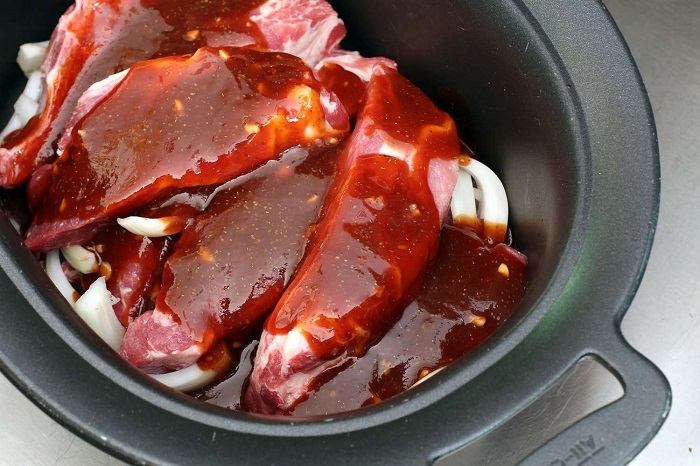
| Barbecue sauce | Finishing glaze |
What Are Country-Style Ribs?
Most country-style meat pieces differ widely in how much bone they carry. Though sometimes found inside, that sliver of shoulder blade adds little flavor and is best removed before eating. Because it sits oddly shaped and half-hidden, spotting it by sight alone proves tricky. Often, people discover it while chewing. Unlike traditional ribs, country-style ribs come from the shoulder area. That means more meat, more fat, and more connective tissue.
Country-Style Ribs vs Regular Ribs
| Cut | Characteristics |
| Country-Style Ribs | Meatier and thicker |
| Baby Back Ribs | Leaner and smaller |
| Spare Ribs | More bone content |
| St. Louis Ribs | Uniform shape |
Why You Should Always Cook Country-Style Ribs in a Slow Cooker
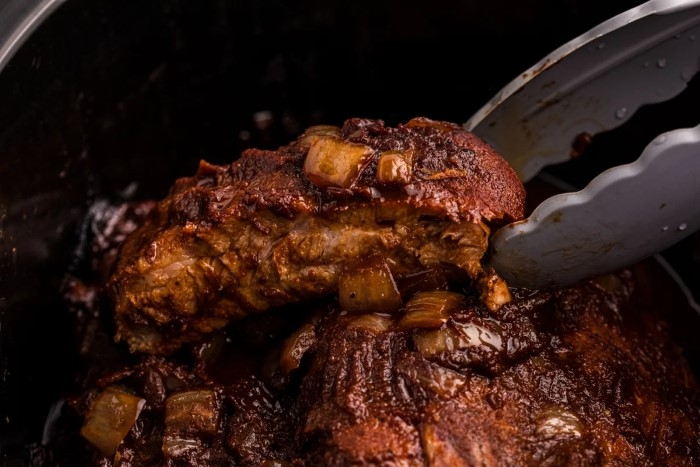
Starting tender, tough meat transforms when cooked low and slow. As hours pass, the connective tissue melts away. Heat working gently pulls fibers apart. Time replaces toughness with tenderness. What resists quick methods gives in to patience. Frost lingers in the air when heat stays below 280°F, dipping near 170°F if the machine runs cool. With low temperatures, enzymes slowly reshape taste without scorching anything. What makes a slow cooker useful is not just convenience. It holds steady heat better than many ovens. Older ovens often fluctuate more than people realize.
Why Moisture Matters
Most slow cooker cooking misses one detail: how much moisture slips away. Even with a tight lid, steam slowly escapes over long cooks. After eight hours, that loss adds up. Flavors become stronger, yet meat can become dry without enough liquid at the start. Many guides recommend covering only the lower portion of the meat with liquid. Position matters too. Pieces sitting directly on the bottom receive more heat and may lose moisture faster than pieces resting higher in the cooker.
Liquids That Work Well
| Liquid | Result |
| Apple Juice | Mild sweetness |
| Chicken Broth | Savory flavor |
| Beef Broth | Richer taste |
| Water with Worcestershire | Simple flavor boost |
When to Add Acidic Ingredients
Only after time passes does it become clear that timing shapes outcomes far beyond common belief. Early on, vinegar or tomatoes might lock moisture out. Their sharpness builds resistance right away. Hours pass, yet the surface holds its ground. Firmness sticks around long after heat does its work. Halfway through – say, after four or five hours – is when you toss those in. Not before. Timing shifts everything. Later feels wrong. Earlier loses depth. This moment holds it together. Around hour five works most days. Still crisp in taste, yet the meat slowly gives way. How texture shifts without losing its spark. A balance held through gentle change. What stays vivid meets what yields. Even as softness comes, brightness remains. Not one at cost of the other. The shift happens quietly. Taste holds firm while form lets go. All unfolds without force.
Basic Country Style Ribs Crock Pot Recipe Method
Ingredients
- 3 to 4 pounds country-style ribs
- 1 large onion, sliced
- Salt
- Black pepper
- Garlic powder
- Optional smoked paprika
- 3 to 4 cups liquid (apple juice, broth, or water mixture)
- Worcestershire sauce
- Barbecue sauce for finishing
Steps
- Trim away large outer fat pieces.
- Pat the ribs dry.
- Season with salt, pepper, garlic powder, and paprika.
- Place sliced onions into the bottom of the slow cooker.
- Arrange ribs on top.
- Add cooking liquid.
- Cover and cook on low.
- Add acidic ingredients later if using.
- Continue cooking until tender.
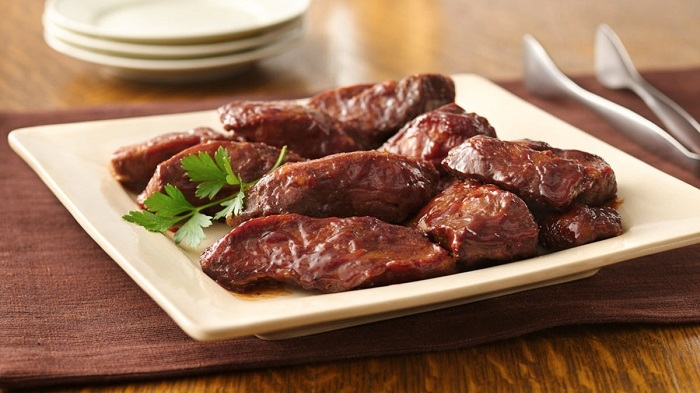
- Brush with barbecue sauce during the final hour.
- Rest before serving.
Preparing the Meat
Start by slicing off any thick layers of outer fat. Though a bit of internal marbling helps keep meat tender, large chunks of fat will not melt completely and may create a greasy texture. Let the meat dry completely before seasoning. Wet surfaces make spices slide off.
Apply:
- Salt
- Freshly cracked pepper
- Garlic powder
- Smoked paprika (optional)
Regional cooking habits often influence seasoning choices more than strict rules.
Building Flavor From the Bottom Up
Onions go first, sitting directly on the bottom. As moisture builds, their sweetness slowly develops. They also create a barrier between the ribs and the hottest surface inside the cooker. That matters because slow cookers often push extra heat through the base and sides. Ribs come next, arranged with a little space between them whenever possible.
Choosing the Right Cooking Liquid
Start by adding close to one cup of liquid for every pound of meat.
Popular options include:
- Apple juice
- Reduced-sodium broth
- Water with Worcestershire sauce
- Soy sauce blends
- Mustard-based mixtures
Skip sweet barbecue sauces at the beginning. Sugars can darken too quickly during long cooking. Wait until the final hour before applying thick sauces.
How Long Should Country-Style Ribs Cook?
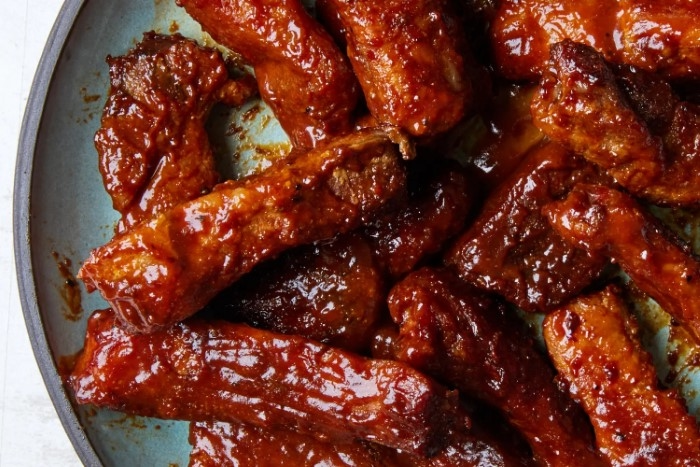
Most of the time, after five hours the meat reaches safe temperatures above 160°F. However, tenderness continues improving after that point.
For best results:
| Setting | Time |
| Low | 7–9 hours |
| High | 4–5 hours |
| Final Sauce Time | Last 60 minutes |
Fast cooking often pushes the meat toward a shredded texture similar to pulled pork. Low heat keeps pieces more intact while remaining tender.
Finishing the Ribs
Just before serving, increase the heat if your cooker allows it. A brief burst of heat wakes up aromas hiding in the sauce and cooking liquid. Fat rises toward the surface during this stage. Skim it gently with a spoon. Start lifting the ribs carefully. They may break apart if rushed. Let them rest uncovered for ten minutes before slicing.
Serving Tips
- Strain cooking juices before serving.
- Spoon juices over the meat.
- Let the ribs rest before cutting.
- Remove any visible bone fragments.
Storing and Reheating Leftovers
Warmth hits leftovers in strange ways. Microwaves often leave edges tough because heating happens unevenly. Instead, place leftover ribs into a small amount of reserved broth and warm them gently. This restores moisture that refrigeration slowly removes.
Storage Guide
| Method | Result |
| Refrigerator | Up to 4 days |
| Freezer | Several months |
| Microwave | Faster but uneven |
| Broth Reheating | Better texture |
Should You Brown the Ribs First?
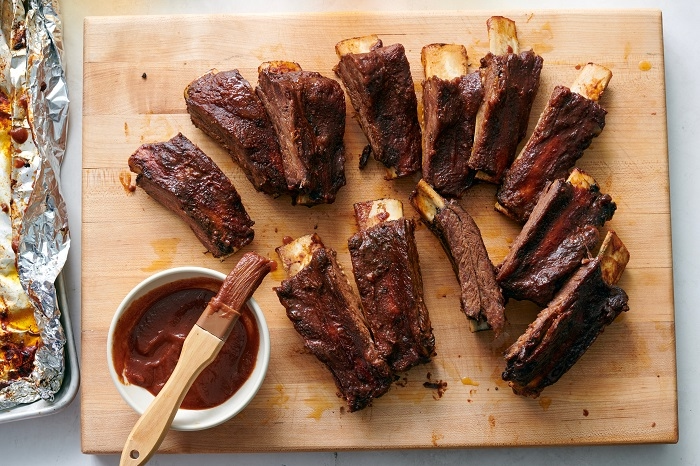
Some choose to skip browning completely. Heat can trigger rich flavor changes through the Maillard reaction, but it requires extra oil and another cooking step. Skipping browning saves time. The ribs still become tender. Browning simply adds another layer of flavor, not a requirement for success.
Why Patience Matters
Going straight from the refrigerator into the slow cooker changes things. Cold meat lowers the internal temperature at first and delays collagen breakdown. Patience shapes outcomes more than perfect measurements ever could. The real transformation happens slowly. Tough fibers soften. Fat melts gradually. Moisture moves through the meat over hours rather than minutes.
Country-style ribs are built for slow cooking. Their fat, connective tissue, and thick structure respond best to gentle heat and plenty of time. Nothing dramatic happens all at once. The changes come slowly, one hour after another. Not polished. Never rushed. Yet somewhere in that quiet process, tough meat turns tender and rich without much effort at all.