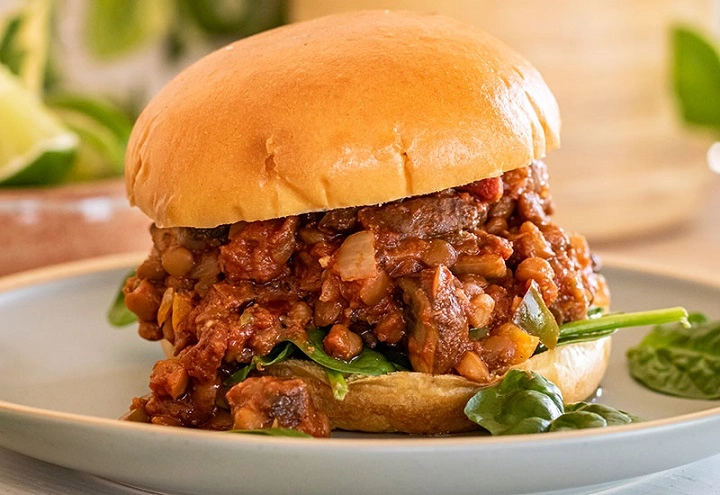

Comfort sometimes comes not from new ideas, yet through swaps. Instead of starting fresh, one version uses what’s nearby – chicken gumbo soup slipping into the mix where tomato usually leads. Ground beef still forms the core, spiced and warm, though now sharing space with something unexpected.
Not invented by experts, nor written in cookbooks. More probably born at kitchen tables, after long days, cupboards half empty. A quiet fix that stuck around, simply because it worked.
Thick from the start, canned soups – condensed ones especially – bring both taste and wetness straight from the tin. Instead of just broth, chicken gumbo kind of tosses in chunks: carrots maybe, onion pieces, a hint of heat like something stirred up down South. A spoonful gives texture along with warmth, built-in seasoning doing the work others take hours to reach.
Table of Contents
Simple Ingredients
| Ingredient | Purpose |
| Ground beef or turkey | Main protein |
| Condensed chicken gumbo soup | Flavor and texture |
| Water | Adjusts consistency |
| Brown sugar or ketchup | Balances flavor |
| Black pepper | Adds mild heat |
| Hot sauce | Optional spice |
| Hamburger buns | For serving |
Why Chicken Gumbo Soup Works
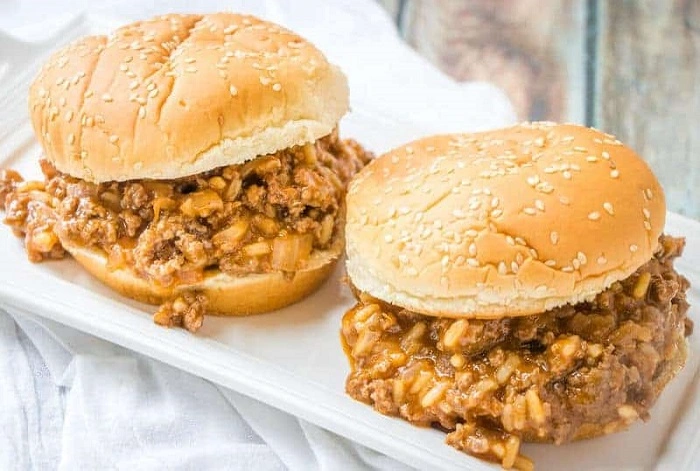
Surprisingly soft, its touch in a sloppy joe shifts things just slightly. Sweetness rides strong in tomato styles, sharp at times too. Into gumbo soup it brings deeper notes – hints of onion dust, garlic flecks, sometimes thyme or oregano – with quiet fire hiding behind each spoonful.
Not every jar holds smoked links or ground sassafras leaf, yet “gumbo” on the label hints at layers beneath. And that hint? It counts.
Somehow, the moment you bite into it, the flavors unfold deeper than expected. Though the can promises little, calling itself gumbo feels right enough. Mixed with ground meat, things tilt – what should clash instead layers. The result? A sandwich outdoes what each ingredient brings alone.
How to Make Sloppy Joe With Chicken Gumbo Soup
Ingredients
| Ingredient | Amount |
| Ground Beef or Turkey | 1 pound |
| Condensed Chicken Gumbo Soup | 1 can (10.75 oz) |
| Water | About 1/4 cup |
| Brown Sugar or Ketchup | Optional |
| Black Pepper | To taste |
| Hot Sauce | Optional |
| Hamburger Buns | For serving |
Steps
- Start by browning one pound of ground beef or turkey in a skillet using medium heat. If there is too much grease, pour it off carefully.
- Start by mixing in a single can – 10.75 ounces – of condensed chicken gumbo soup. Skip the water; the recipe counts on it staying thick.
- Start mixing in a little water, about a quarter cup, bit by bit until it feels right. A single spoon of brown sugar might help round things out – sometimes ketchup does just fine instead.
- A pinch of black pepper goes in first, maybe a splash of hot sauce if you like it spicy. Let it cook low and slow for around ten minutes, give it a stir now and then.
- Serve on soft hamburger buns.
What the Soup Adds
Start with what you already have. Not gadgets, not rare items. Common food stuffs do the work when they meet meat.
Change happens because of how things mix, not fancy steps. Tinned soup brings thickening power – usually tweaked cornstarch – that puffs up with heat. That puff holds everything together, skip the flour, forget added powders.
High salt content means extra sodium often isn’t needed. These options work well, even if they allow little room to adjust.
What Chicken Gumbo Soup Contributes
| Feature | Benefit |
| Built-in seasoning | Less prep work |
| Thick consistency | Helps hold the filling together |
| Vegetables | Adds texture |
| Condensed base | Creates a richer mixture |
| Cornstarch | Natural thickening |
A Shortcut Inspired By Gumbo
One might wonder why gumbo soup appears at all, especially since it barely resembles real gumbo. Though true New Orleans version depends on a roux – fat cooked slowly with flour till rich and dark – this shortcut skips such effort.
Instead, flavors pile up differently; onion, celery, and pepper still show up, forming what some call the holy trinity. Depth fades here, truth be told, when compared to traditional methods. Still, echoes remain, quiet hints meant to feel like home.
A name can shape taste, even if loosely tied. Recognition matters more than accuracy. A report out of Food Quality and Preference found what you call a meal shapes how it’s expected to taste – salt levels or depth might seem different without any real change.
Just labeling a dish as “gumbo” can make folks notice herbal notes and heat more, even if barely there.
Easy Variations
This dish works not by being daring, yet through its ease. Reheating yesterday’s portion turns out just fine. Picky palates may skip plain minced meat, though tend to welcome it mixed with a known canned taste.
Kids generally like food that feels usual – soft, damp, gently spiced – and here that happens naturally.
A few simple changes include:
- Chopped sour gherkins for tang
- Lettuce leaves instead of buns
- Pulled chicken instead of ground meat
- Extra hot sauce for more heat
- Ketchup for added sweetness
Why Recipes Like This Stick Around
Some might call this approach just another version of boxed meal prep, relying too much on ready-made items off the shelf. Still, shifts like these have shaped how people cook at home across decades in America.
When wartime limits hit during World War II, families changed recipes out of necessity. By the next decade, a big soup brand had begun sharing dozens of ways to reuse their canned product – stirring it into bakes for richness and structure.
Chefs didn’t start these tricks; ordinary cooks did, simply making do – and what began as need eventually stuck around.
A Practical Meal More Than A Fancy One
A messy sandwich using canned soup doesn’t impress anyone. Not something you’d spot in fancy restaurants.
What it offers is ease, quick assembly. Gets the job done when time matters more than taste. Warm food can still happen even when energy runs low.
Juices get pulled into the bread, making each bite rich. Stuffing stays moist, holding its shape without help.
Yet practicality often beats tradition, especially when meals must be simple. Perfection isn’t required here – just results.
Where Did It Come From?
Who knows when gumbo first slipped into sloppy joes. Not a single well-known cookbook traces how it started.
Scattered posts online, along with handwritten notes tucked in recipe boxes, point to the early 2000s. Maybe church pamphlets from the Midwest passed it around. Or maybe tight-budget food sites gave it room.
It hasn’t roared through kitchens – just lingered there. Quiet nods keep it alive. Not love. Not an obsession. Just someone making it again.